This has got to be one of the most uttered phrases, although I suspect the original message has been lost in translation. Susan Jeffers is the author of the 1986 self- help book which goes by this name. Initially rejected by numerous publishers it went on to sell 15 million copies in 100 countries.
Susan Jeffers life journey was a varied one. Marrying at 18 and having two children, she realized at 23 that she had become afraid of life. So, with a great deal of self- determination, returned to her studies, gaining a degree, a masters degree and then a doctorate in Psychology. Becoming a director of a floating hospital, (which was located on a barge) a medical facility for people unable to afford medical care. In 1981 she moved on to running self- development workshops. After the success of her first book Jeffers was to publish 17 more books which drew candidly on her own personal hardships including divorce and breast cancer. This inspirational, courageous woman died in 2012, at the age of 74. She will be remembered for encouraging people to build up their self- worth and realise their full potential and for her commitment to helping the poor in New York.
One of the most ground – breaking aspects of Feel the Fear and Do It anyway is that it did not maintain that love and relationships should be a woman’s primary aspiration, instead arguing that women should learn to stand on their own two feet and be self-determining. Encouraging her readers to face their fears and shake up their lives to improve it. This has led to some regarding this as a feminist book, although Jeffers has always said this was written for both men and women. The paralysis caused by fear particularly in traumatic situations is very real and can seem insurmountable. For many women in unhappy or even abusive relationships her practical advice in moving forward is invaluable.
I have read this book several times over the years and passed it on to others. It’s a great book to re-read. As a brief synopsis this is a straightforward, easy to read guide to reclaiming your personal power by working through any fears and to take action. I realize that this is easier said than done, but by taking responsibility and staying Yes rather than No to the universe.
I think that today this has become an overused phrase and a bit cliched, I think the explanation in the book makes sense, and to give Dr Susan Jeffers, both credit and her full title, I feel she is genuine in this sentiment. This wonderful book offers practical solutions to facing and moving through fear with strength and courage. To fully participate in life written by a truly inspirational woman who lived her life to its fullest.
This is one of my favourite books of all time. I have purchased many copies over the years, having given them away after reading, it’s definitely a book to pass on to others. This short book of only 10,000 words can be read in one sitting. Although it’s a light-hearted story it’s poignant and full of wonderful quotes. It never fails to uplift me and lighten my mood after reading. In fact, it was the first new age/ spiritual fiction book I read several decades ago.
First published in 1970, by 1972 over a million copies were in print and it became a bestselling book. This modern classic has since had updated editions.
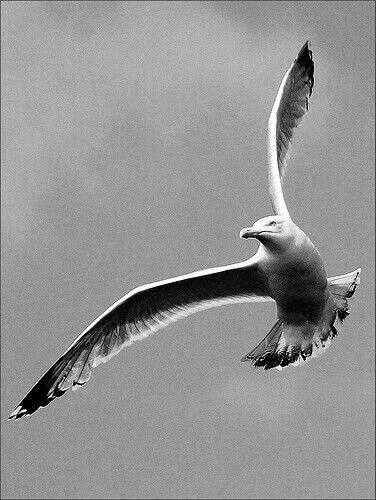
Briefly this is the story of Jonathan Livingston Seagull who is bored with the daily squabbles over food and is seized by a passion to fly. He pushes himself to learn everything he can about flying despite the ridicule and possible expulsion he faces from his flock. One day Jonathan is met by two gulls who take him to a “higher plane of existence” He discovers that his sheer tenacity and desire to learn make him “pretty well a one in a million bird”. On returning to earth, he finds others like himself and brings them his learning and spreads the love of flying. His mission is successful, gathering around him others who have been outlawed for not conforming. On his journey, Jonathan Livingston Seagull discovered that boredom, fear and anger are the reasons that a gull’s life is short, and with those gone from his thoughts, he lived a long life indeed!
“You have the freedom to be yourself, your true self, here and now and nothing can stand in your way”
It’s a fable very much about seeking a higher purpose in life, even if others find your ambition threatening. To stay true to yourself and not to compromise your vision. I would recommend this to anyone who is unsure of their direction, particularly young adults at the start of their lives who have bigger ambitions than the people they grew up with. To fly as far and as high as you can!
I haven’t got a list of favourite books as I feel there are just too many great books to choose from. However, if I did have a list this book would be close to the top. I have purchased several copies and loaned them out. (Often to never be returned- but hopefully happy in their new homes.)
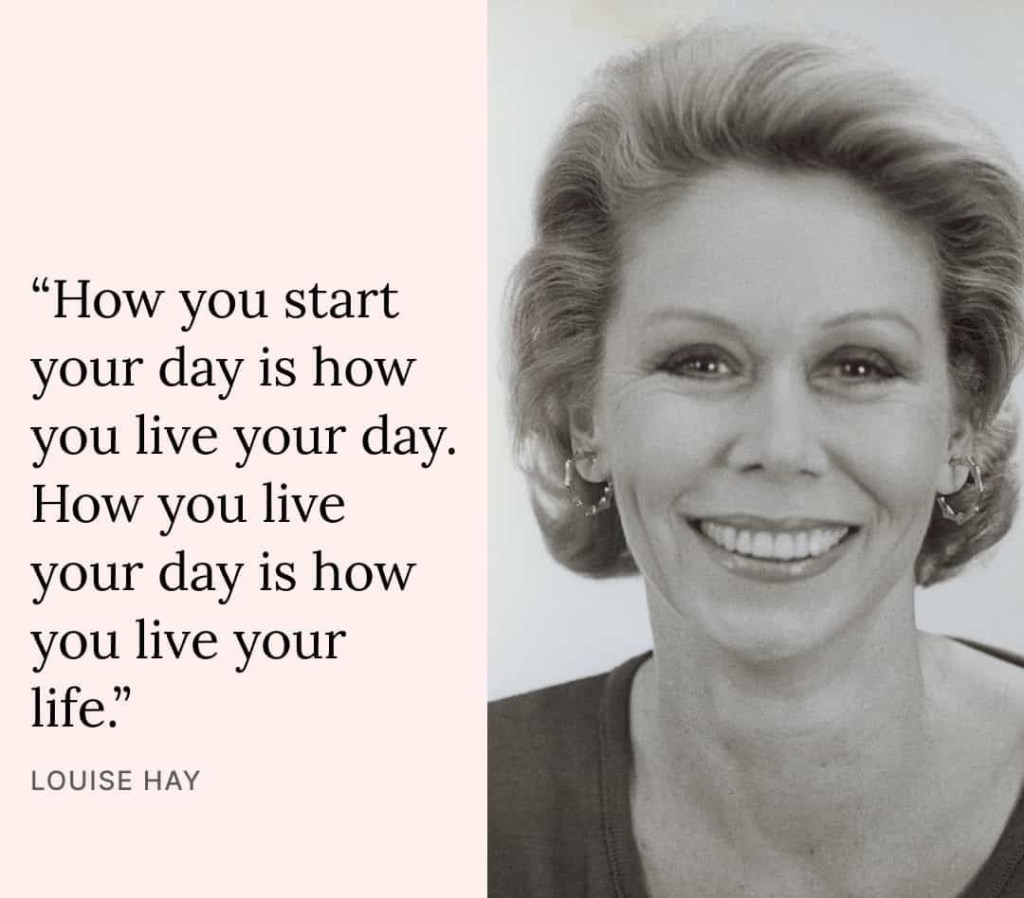
I have read this book at different times of my life and although it was published in 1984,it still makes many points that are as relevant today if not more so. Louise Hay’s timeless wisdom encourages us to harness the power of our thoughts, beliefs and use affirmations to create positive change in our lives and wellbeing. Her teachings on self-worth, forgiveness, and the healing process remain as empowering several decades on.
The simple message is that Dis-ease comes from a state of forgiveness, when you are ill, look at who you need to forgive most,in some if not most cases yourself. This is not to condone bad behaviour but just not to let it control your thoughts. The saying goes “There is no point dwelling on what is past” true words indeed, but often harder in practice. How easy it is to mull over an argument or problem afterwards. Replaying this over and over again, until the situation has increased in its potency. If only I had said or done that! Louise stresses how resentment, criticism, guilt and fear cause far greater problems than anything else.
The Past Has No Power Over Me……..
The exercises and affirmations given to release the past are simple to do yet have the power to help in difficult circumstances. Like most of us, I found using the daily affirmations a bit strange but can be used first thing in the morning to build up the confidence to tackle a problem and last thing at night to aid better sleep, building a more positive attitude and mindset. I do write this from some experience as taking a negative thought and trying to replace it with a more positive one does make things better. No one is ever going to feel great complaining or having a Why- Me mindset, in fact it’s going to make things worse.
I think the mental links to physical pain is at the core of Holistic medicine or New Age Health. And isn’t really a new concept as many cultures have known this for centuries. During stressful times, how often do people come down with flu, or migraines, stomach problems or even back and neck pain. Illness and accidents can of course arise during happy, relaxing times (but speaking from a non-medical point of view) during stressful times we do often start coming down with an illness of some description.
Healthy and fit, despite having had cancer several times, Louise Hay continuing to heal others until her death in her 90s. I would love to have the quality of life in my latter years. So,certainly think its worth listening to her wise advice.
If you get the chance, do read this book as I feel sure you will find something you can take away as useful.
If I was to start a list of my favourite books, it would have to include a book from Louise Hay. A key pioneer in the field of self-healing and the founder of the Hay Institute and the Queen of the New Age.
Louise’s early life was fraught with problems: abuse, poverty and a very unstable home-life. Despite this becoming a successful model and married a wealthy businessman. In 1970,feeling that something was missing from her life she started attended meetings at the Church of Religious Science, which taught the transformative power of thought.
The first book she wrote and self-published was Heal Your Body in 1976. This was one of the first books of its kind, and was a reference guide to the mental cause of physical pain. After the books success she began travelling around the USA giving workshops. Louise Hay’s teachings revolve around the fundamental idea that our thoughts and beliefs directly influence our health, happiness, and life circumstances. Many physical ailments are manifestations of emotional and mental patterns—particularly negative beliefs about oneself. This was a controversial view at the time (It possibly still is) and was to have as many opponents and adversaries as supporters. The Mind/ Body connection is not a new one and many Eastern philosophers hold this at its core root. But in Western society it was viewed as a newer way of looking at health and wellbeing.
In 1980, Louise published Heal Your Life. Her books were now reaching a much wider audience and she was able to make people aware of more taboo subjects. In the mid-1980s, Hay became a prominent figure in the early HIV/AIDS crisis in the United States, setting up The Hayride in 1985 a support group for 6 men with Aids. Increasing to a weekly event with 800 people attending.
In 1984 the publishing house Hay House, was established, selling millions of books, tapes and DVDs worldwide. In 1988 Reid Tracy joined the company as an accountant and would eventually become its CEO and continues to grow the legacy of Louise Hay. This was one of the largest independent owned mind-body enterprises in the world forming a diverse community which empowered, educated and inspired. In 2023 this was acquired by Penguin Books.
A daily newsletter and events (many of these are now online) have made a huge difference to many people. Numerous top authors and healers have worked with Hay House: Wayne Dyer, Joe Dispenza, Caroline Myss and Gay Hendricks, to name a few. In addition to running a publishing company there is a charitable organization called the Hay Foundation, founded in 1985. Its mission is to build futures and support organizations that enhance the quality of life for people, animals, and the environment.
Helping others to heal well into her later years, until passing away peacefully in her sleep in 2017 at the age of 90. I was in Spain when she died, when her close friend Robert Holden posted this sad news online, people were communicating their grief globally. To have touched so many lives is a true legacy.
I am sure everyone has read or at least seen the book Don’t Sweat The Small Stuff by Richard Carlson. ( In fact this has become a well used phrase and he was actually awarded a trademark for bringing it into American pop culture.) Carlson started his career as a psychotherapist and ran a stress management centre and went on to be considered one of the foremost experts in happiness and stress reduction in the United States and around the world.
His first book Don’t Sweat The Small Stuff was released in 1985 and went on to be published in 135 countries and translated into thirty language, spending over 101 weeks on the New York Times Best Seller’s List. Carlson wrote a further 20 books before his sudden and tragic death at the age of 45, on the 13th of December 2006, from a pulmonary embolism during a flight.
Following Richard’s death, His wife Kristine was to become a speaker and author focused on navigating grief and finding joy. Whilst trying to come to terms with his loss, she pored through 25 years of love letters from her late husband. One letter was to stand out, this had been written on their 18th Wedding Anniversary. This letter attempted to answer the question: if you had one hour to live, what would you do, who would you call and what would you say?
This was so much more than a love letter to his adored wife on their Wedding anniversary. Going beyond the love for his wife, it’s more about how we should be living everyday of our lives. To live fully in the moment, having no regrets and reminding those you care about, how special they are to you. Carlson says that the Rat Race is an illusion. That many people spend their lives chasing happiness. But if we slowed down, happiness might catch up with us.
An Hour to Live, An Hour to Love is a deeply moving book that shows the importance of treasuring each day, as the incredible gift it is and to make life choices based on what is actually important. He says that if his time could be lived again, that less time and energy would be spent wanting things he didn’t have and enjoying what he already had.
This short book did make me realize how much I take for granted the people and things that mean the most to me. This is one of the lesser known books by Richard Carlson, but it’s one of the most personal and heart rendering of his many books. Coming from a wonderful man who devoted his life to helping others lead better lives. Ironically, his premature death really does affirm the message of his work to live to enjoy everyday of your life. I loved this book and highly recommend it to you.
Kristine has continued with the work they started together, her website is below. I receive newsletters from her and always find these very helpful.
I love a cup of tea, I think many circumstances start to look so much better after a nice cuppa. Over the last couple of years though there has been a bit of a revival where tea is concerned.
It’s becoming increasingly used as a healthy, relaxing alternative to alcohol with many choosing tea to replace the ritual of drinking, especially during sober months like Dry January. It’s proving a popular substitute as it provides comfort and relaxation with the added benefits of better sleep, improved hydration, and no hangovers.
Research from Mintel suggests that due to the cost of living crisis, many people, particularly in the UK, are choosing a “posh cuppa” as an affordable alternative to costly alcohol. Upmarket Supermarkets like Waitrose have always stocked a wide range of teas but the mainstream supermarkets have all followed suit.
Did you know that research shows that as many as 28% of young adults in the UK do not drink alcohol. The Sober Curious Generation Movement is all about examining the role of alcohol in your life and exploring a healthier relationship with it by reducing intake and practising mindful drinking, and building community with like-minded individuals to enhance mental & physical health.
Something a lot of people don’t talk about is how much routine and ritual plays a role in drinking alcohol. When pouring that first, or second drink becomes part of your daily routine. When you’re looking for a drink to help you unwind at the end of the day consider adding a glass of cold tea rather than wine,spirits or beer to your evening ritual.
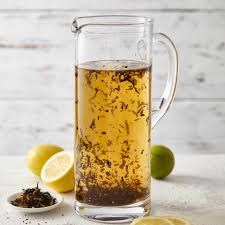
It can be far too easy to just reach into the refrigerator to grab something you can open and enjoy immediately. You might think it’s too much work to fill the kettle, wait for the water to boil, and steep a fresh cup of tea every time you want something to drink. Keeping a jug of home-made tea in the fridge can be a great substitute and there are some really interesting blends available. I add ice and fresh fruit and herbs to my blends it’s a bit like having a mocktail but with more health benefits.
You can use Herbal tea or speciality blends in the usual way, hot (or cold) or cold brew using tea leaves or herbal infusions steeped using cold water rather than hot. You do need to leave Cold Brew teas overnight so a small amount of prepartion is required, but its worth it.
There are some wonderful Tea somailers to follow online and many of the smaller tea brands have some great ideas to try on their websites. One of my favorites is Bird and Blend- https://www.birdandblendtea.com/
Tea tasting is becoming a popular experience in the UK, offering workshops, specialized courses, and professional certifications. You can attend tasting workshops in cities like London, Leeds, Cambridge, and Manchester to learn about blending, brewing techniques, and flavour profiles.
Hello to you all. It’s March so the 100 days of January and February have finally ended. That’s always a huge relief. Flowers are starting to appear and Spring just around the corner!
To start with, my fullest apologizes for the lack of posts in 2025- I had fully intended to write regularly as my offerings in 2024 were scarce to say the least. However,the year didn’t go quite as intended, and my time had to be focused on work and more mundane, less enjoyable life tasks. The intention was set for 2026 to focus on achieving more balance in my life and to find the time for my creative skills which included writing.
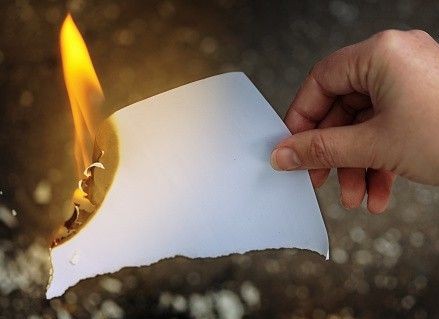
At the end of 2025, I tried the 12 Magical Nights Ritual- which is an old pagan ritual during Winter Solstice – 13 wishes are written on a small piece of paper, these do need to be things that you can achieve by yourself. These are burnt over 12 days. Starting in December and ending in January. On the last day the remaining piece of paper is the wish you have to set out to make true for that year. Mine was to write a book! I have been saying I would write one for a while, so perhaps it’s now the time. I have left it on my pinboard as a reminder.
I also ate 12 grapes under my breakfast bar- in lieu of a table- I don’t think I am alone in this as Instagram was flooded with posts. I don’t know if I will have 12 months of good luck but it was a silly and fun way to end a year and start another. (Although it’s best not to drink a very dry Champagne at the same time as eating grapes, for several reasons)
I found, whilst having a declutter some printed sheets of blogposts written in 2011. It’s surprizing to find that the topics are as relevant today as they were then. Over the next few weeks I am going to start posting these and I hope these will be of some interest and help. I am having to go old school as they’re not saved to file and have to be re-typed.
Last week it was National Happiness Day. (It does always appear to be the national day of something or other) This got me thinking a bit about what is happiness exactly? We use this word all the time. We often ask ourselves and others are you happy? Many people see “contentedness” and “happiness” as one and the same. In some ways they are similar. When you’re happy, it’s a state of being, influenced by a number of factors, including contentedness.
Happiness- Good fortune or luck in life or in a particular affair. Success- prosperity. The state of pleasurable content of mind which results from success or the attainment of what is considered good. Oxford Dictionary
Does this mean if you are not successful and haven’t acquired all that you want, you can’t be happy? What do we really need to be happy and is this different for different people? We think, “I’ll be happy when I get married” or “I’ll be more satisfied at work when I get a promotion.” So, convinced are we, that all will be great, when we buy that luxury car or go on a dream holiday. The truth is that a feeling of happiness can be created right now, regardless of our circumstances.
Happiness is an emotion and this can be short- lived, it comes and goes. So, if we are focusing on happiness alone this can lead to a constant pursuit of external validation. In the Western world we are obsessed about our happiness, but in many ancient cultures they don’t even have a word for happiness and focus instead on contentment.
Chokkshay- is the word used by a group of Nomads in the Himalayas. This translates as The Knowledge of Enough. For many ancient cultures it is seen as right now, right here, everything is perfect as it is. Too often, we get so entrenched in our busy lives that we don’t even notice whats in the now. When we finally come up for air, we focus more on the past or the future, rather than the present.
Contentment- comes from the Latin word of Contentus- which means to hold together intact or to be whole. Contentment is a mindset which stems from accepting things just as they are, including your messy, imperfect self.
Having ones desire bound by what one has. Not disturbed by the desire of anything more or anything different. Satisfied as to reprise. Oxford Dictionary
Contentment is an attitude or state of mind influenced by both external and internal factors and can be longer-lasting. It doesn’t mean not having goals and dreams but about not been unhappy with where you are now. It’s a mindset. People feel discontentment because they think something is lacking in their lives, or they wish that things were different. Contentedness, on the other hand, is a matter of being satisfied with what you have. It focuses on what you have already. You can choose to be content. (Perhaps if you if you choose to be content, you will be happy).
Sometimes people cannot achieve happiness with what they have, even if they have the financial means to provide all the luxury you could desire. Many very wealthy and successful people find themselves unhappy. Seeking external validation is always going to be outside of our control. To gain a sense of satisfaction in our current life is a more sustainable goal. ( If at times harder to achieve). A common fallacy is that material things and personal achievements increase happiness but that’s just not true. The opposite is true, getting more stuff can make us feel worse or lead to wanting even more stuff! A similar effect happens when we base our happiness on personal or professional goals. Celebrities who have every accolade they could ever want, can still feel lost and miserable.
How can we be more content? If we learnt to be more content with the people in our life’s and have a more positive attitude this almost always leads to more harmony. Discontented people tend to be complainers, or grumpy, or negative. That leads understandably to problems both at home, work and in relationships in general.
Determining exactly why your job or your relationship or your physical appearance is making you discontent, can be helpful. As living in unresolved unhappiness only keeps us in the past, dealing with things we can’t change, and makes it hard to move on to better times. External factors such as financial stress, relationship issues, or health problems can make it difficult to find contentment, as these challenges can make life feel hopeless. But by taking the time to appreciate life and the people in your life and learning to enjoy the simple things this can make you feel better or at least that it’s not all bad.
Finding activities that offer a healthy distraction from your feelings of discontentment and frustration do help when things are overwhelming. Gardening or tending plants , listening to music or reading a book all can be enjoyable. I started blogging during a difficult period in my life. And journaling can be a really helpful tool in moving through any discontentment.
Mindfulness this is a type of meditation in which you focus on being intensely aware of what you’re sensing and feeling in the moment, without interpretation or judgment. Practicing mindfulness involves breathing methods, guided imagery, and other practices to relax the body and mind and help reduce stress. I have some YouTube Videos that I watch and there are quite a few books and information online to explain in greater detail.
Take that first step toward happiness and Contentment. Doing so will be a gift that keep giving back to you for the rest of your life. Count your blessings and smile.
Happy New Year, in truth I don’t really know where 2022 has gone…. What a year it has been. In fairness 2023 can only be better!
Last year I moved to a different town which was quite unexpected. I had never even been there before, so it was a bit of a gamble really. But so far it has worked out. So, sometimes going with a gut feeling on taking a chance on something can work out….
I don’t as a rule make New Years resolutions as I find these only end up been broken after a short while and why set yourself up for failure. However, more realistically, instead I am going to look at where I can improve my life and the life’s of those around me. I have dusted off my Yoga mat which had been keeping my kettlebell, weights and foam roller company. I had considered signing up for the January Yoga daily challenge but instead thought a couple of times a week was more attainable. My team are very tactful about how bad my penmanship is so I will be endeavoring to write in a neat and legible fashion this year. But will not be putting this in writing.
I do want to spend more time outside. Having the good fortune to have some beautiful countryside and walks on my doorstep, which I day take advantage of earlier on today. I will attach an image for you, so you can judge it for yourself.
My apologizes in not writing my blog regularly as usual. However, I have been collecting ideas that I want to write about very soon. Which hopefully will be of interest.
On a final note, this year we say goodbye to Queen Elizabeth, who was much loved and deeply missed having served her country with dignity and true grace. We also say goodbye to Vivienne Westwood, the queen of British fashion, wildly creative, a true visionary and one of a kind.
I wish you a lovely New Years day night. I am going to eat some of my Christmas chocolate.
In some seasons we flourish yet in others, life does seem so much harder. Winters can be long, cold, and dark. The inherent nature of winter can make it difficult for us humans to endure happily. I prefer warmer climes so the cold, grey starkness of Winter it is not the easiest time of the year for me. Like many I always look forward to the end of this season. From around October to March, as the longest season ( it actually can be half of the year) it certainly feels like an eternity!
Seasonal Affective Disorder is a form of depression, caused in the main due to the reduced daylight, which lowers the Serotonin levels. (The key hormone that stabilizes our mood, feelings of well-being and happiness) Its prevalent in the UK and Northern countries. Showing the importance of light on mood and health. There is nothing more uplifting than a blue sky or depressing than a grey one. When days are dark its emotionally tough on many people. The people we come in contact with might be struggling in ways that we cannot comprehend.
When we talk about the winter of your life, it’s the last (dark) section of your life, when perhaps fewer exciting things happen, the slowing down of your life, before dying. Whilst we look forward to the renewal that Spring brings, the joy of spending more time outside in Summer and Holidays, even the rich beauty of Autumn. It’s harder to look forward to Winter with the same enthusiasm. Yet of all the seasons, Wintertime can be the most insightful and the best time to put our houses in order, so to speak. As a time of reflection and a slower time to recuperate from our busy life’s. We often fly to warmer climes during the Winter months, but is this actually the best way to combat the season, to push it away rather than embracing it?
The world of nature doesn’t try to fight Winter in the same way we do. Animals adapt by withdrawing and hibernating. Now whilst we don’t have the luxury of staying in bed for several months, as great as that would sound at 7am on a cold, dark morning, we can at least try to see the pleasures of this season rather than only the negative points.
Many colder climate countries plan for the winter months. In Finland, in the regions of Lapland, generations have spent Summer and Autumn, hunting, freezing and collecting and foraging for berries and mushrooms, as the growing season is short. The entire cultivation process has to be completed two months faster than in the warmer south, before Winter sets in. Food, is preserved in advance and stored away for times when there is less abundance of fresh food. This is how our ancestors would have lived before the times of polytunnels and imported foods. Eating only seasonal foods. Some well-known chefs like Tommy Banks, are returning to this with a farm to table approach using preserved foods for the Winter menu.
Hot drinks and foods have a way of soothing our souls and warming our bodies on cold, dark nights. Keeping it healthy most of the time, with thick homemade soups and stews but allowing for occasional indulgences too like hot chocolate with warming spices like cinnamon, can be such a treat.
Hygge, became a lifestyle trend in the UK in 2016 and whilst you can be forgiven for thinking that this is just a marketing term to sell us more stuff, like blankets and candles. Hygge is as Danish as æbleskiver and it goes far in illuminating the Danish soul. In essence it means creating a warm atmosphere and enjoying the good things in life with good people. Its very much a way of life for the Danes and we could learn from it too.
Our bodies need more sleep in winter, and allowing the body and brain to relax is looking after our health. Our ancestors survived without electric lights and modern conveniences, so had to adapt to the seasons. They slept more in the Winter and less in Summer.
Rather than complaining about the cold weather, how about finding pleasurable activities, we would not normally have time for like craft projects, reading or staring a new hobby. For many of our ancestors, Winter was the time spent on making clothing or rugs or items that could help them earn money. What was made in the winter was taken to town in the spring for selling or traded with their neighbours.
So, snuggle up under your blanket, with a cup of something warm, light some candles and get lost in the pages of a book you’ve been meaning to read for months. Or if you’re feeling more social, cook and invite your friends over for a board game night.
Perhaps wintertime is not so bad after all, and we should give gratitude for the down time!