A Tea Revival

I love a cup of tea, I think many circumstances start to look so much better after a nice cuppa. Over the last couple of years though there has been a bit of a revival where tea is concerned.

It’s becoming increasingly used as a healthy, relaxing alternative to alcohol with many choosing tea to replace the ritual of drinking, especially during sober months like Dry January. It’s proving a popular substitute as it provides comfort and relaxation with the added benefits of better sleep, improved hydration, and no hangovers.

Research from Mintel suggests that due to the cost of living crisis, many people, particularly in the UK, are choosing a “posh cuppa” as an affordable alternative to costly alcohol. Upmarket Supermarkets like Waitrose have always stocked a wide range of teas but the mainstream supermarkets have all followed suit.

Did you know that research shows that as many as 28% of young adults in the UK do not drink alcohol. The Sober Curious Generation Movement is all about examining the role of alcohol in your life and exploring a healthier relationship with it by reducing intake and practising mindful drinking, and building community with like-minded individuals to enhance mental & physical health.

Something a lot of people don’t talk about is how much routine and ritual plays a role in drinking alcohol. When pouring that first, or second drink becomes part of your daily routine. When you’re looking for a drink to help you unwind at the end of the day consider adding a glass of cold tea rather than wine,spirits or beer to your evening ritual.

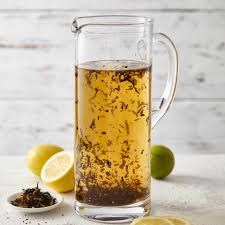
It can be far too easy to just reach into the refrigerator to grab something you can open and enjoy immediately. You might think it’s too much work to fill the kettle, wait for the water to boil, and steep a fresh cup of tea every time you want something to drink. Keeping a jug of home-made tea in the fridge can be a great substitute and there are some really interesting blends available. I add ice and fresh fruit and herbs to my blends it’s a bit like having a mocktail but with more health benefits.

You can use Herbal tea or speciality blends in the usual way, hot (or cold) or cold brew using tea leaves or herbal infusions steeped using cold water rather than hot. You do need to leave Cold Brew teas overnight so a small amount of prepartion is required, but its worth it.

There are some wonderful Tea somailers to follow online and many of the smaller tea brands have some great ideas to try on their websites. One of my favorites is Bird and Blend- https://www.birdandblendtea.com/

Tea tasting is becoming a popular experience in the UK, offering workshops, specialized courses, and professional certifications. You can attend tasting workshops in cities like London, Leeds, Cambridge, and Manchester to learn about blending, brewing techniques, and flavour profiles.

So why not give it a go!
Sleep- A Super Power

Why is sleep important? A good night’s sleep is incredibly important for your health. In fact, it’s just as important as eating healthy and exercising. Along with nutrition and exercise, good sleep is one of the pillars of great health. You simply cannot achieve optimal health without the super power of sleeping well. And like nutrition and exercise, there is no one-size-fits-all number for the hours of sleep each of us needs. The ideal number varies according to age, gender and lifestyle. But we do all feel so much better after a good night’s sleep. After nine hours of sleeping like a log, you can wake up feeling bright-eyed, bushy-tailed and ready to take on anything the day might throw at you. Unfortunately, there’s a lot that can interfere with natural sleep patterns. As busy as we are, it isn’t a surprise that sleep is usually the first pillar of the health foundation to be overlooked.

Sleep is important for various aspects of our health. In fact, sleep quality and duration can have a major effect on many health risks factors; brain function, mental health issues, immune system, the appearance of your skin, protecting against heart disease, your ability to interact socially, a loss of sleep can even increase one’s risk for obesity and weight gain.

How to sleep better is obviously upper most in our minds, with 76% of us feeling we don’t get enough sleep. People with medical conditions are more likely to suffer from poor sleep, according to The Sleep Council’s Great British Bedtime Report. It’s been estimated that 90% of people with depression complain about sleep quality. Getting a good night’s sleep can help to keep your immune system fighting fit and keep germs at bay. Sleep gives your body the time it needs to rest and repair, which is one of the reasons you feel tired and want to sleep more when you’re unwell. Sleep supports the proteins and cells of your immune system to detect and destroy any foreign invaders your body might come into contact with, like the common cold. it’s essential to allow yourself time to rest and recover when you’re not feeling well. Even a small loss of sleep has been shown to impair immune function.

A consistent loss of sleep can increase one’s risk for obesity and weight gain. That’s because lack of sleep influences the body’s hormonal responses, some of which are decreased insulin sensitivity. Good sleepers tend to eat fewer calories. So poor sleeping can affect your weight. So bad news for dieters.

What are the benefits to your brain, learning and creative power? And so what happens when you sleep?  Well, sleep gives your brain a chance to sort things out. Scientists aren’t exactly sure what kinds of organizing your brain does while you sleep, but they think that this might be the time when the brain sorts and stores information and solves problems. Creativity can also be boosted overnight. How often do great ideas come to mind on waking up!

A study in the journal Clinical and Experimental Dermatology found that people who slept seven to nine hours a night had skin that was more moisturized and that could protect and heal itself better compared to those who slept five hours or less. Your body boosts blood flow to the skin while you snooze, which means you wake to a healthy glow.  When you skimp on your sleep your complexion can look drab, ashen and lifeless. So, you not only feel better after a good night’s sleep but look better too.

What else can impact sleep? Eating heavy meals late at night, alcohol and caffeine drinks like coffee can cause problems sleeping, so are best avoided, herbal teas can be help and most supermarkets and health stores carry a large selection of teas and natural remedies. Technology can affect sleep, like using phones and computers at night, so for an hour or so before bedtime, turn these off and never use these in bed.

Stress often causes poor sleep patterns. If you’ve got a lot on your mind and are struggling with your emotions, going over things in your head can often keep you awake at night. If you are up at night worrying, you might begin to see a change in your mood and a lack of sleep can leave you feeling low. This could then cause you to feel anxious and create more negative thoughts about not sleeping. This might keep you awake even longer and can turn into a vicious cycle of worry and poor sleep. Its hard to stop this happening so try talking about worries before bedtime or even get professional help.

Try to keep a consistent bedtime and wake up time as our body clocks thrive on routine. Having a set wake up time seven days a week is important, particularly when we are having problems sleeping.

We need bedtime to be positive and relaxing, so a warm bath, hot drink or reading a book is a simple and effective wind-down after a busy day. The website https://sleepcouncil.org.uk/ offers detailed advice for all sleep-related issues.

Remember sleep is a super power we all need to survive and strive and its free.