De-Cluttering in The Home.

I have found myself with extra time on my hands and I thought I would use this time to have a bit of a sort out at home. I don’t have a great deal of storage space, most of my previous homes also lacked storage. Whilst I am by nature tidy, I do need to be quite organized, as I often work from home and despite my best effects do still have too much stuff. I set up The Holding Company in London, with Dawna Walters of The Life Laundry, where we sold useful storage and items to help you get organized, I still use many of these today. When clutter starts to gather in my home, I begin to feel stressed. When I have dealt with said clutter, I feel much calmer. The way we feel about our living space has a big impact on our state of mind, so I guess it’s no surprise that when our home feels cluttered and chaotic, we feel the same.

A place for everything and everything in its place, what a wonderful idea! More and more studies are showing that a clean, organized living space is an important factor in our wellbeing. Clearing clutter from our homes is an important step towards creating that clean, organized space. Now many of us don’t have huge amounts of spare time for decluttering and organising our family homes. But there some great books and websites, like Pinterest, with helpful tips that can really help you to make a start.

 If you’ve been putting off decluttering your home and your life, chances are there’s a lot of work to be done. Don’t let that pile of junk overwhelm you, start small and tackle it one bit at a time. Set yourself a daily task of one box or bag per day and if that still seems overwhelming, try setting a timer for 30 minutes and do whatever you can in that amount of time.

Clutter is anything that is no longer useful in your life, if you have any of the following it needs to go: broken items, worn out items, things that don’t fit, aren’t used, are no longer loved, aren’t played with or don’t suit your lifestyle anymore. The Four-Box Method is a great technique to use to declutter any space. Get four boxes: rubbish, give away, keep or relocate. Consider each item and place into one of the four boxes. Carefully storing the items you are keeping is vital so that clutter does not built up again. Lots of high street shops like Ikea have afforable storage systems.

Donate things that can be used, and feel good about sharing your items with others who might truly benefit. Sell items that have value and make some extra pocket-money, eBay or Vinted are low cost and easy to use. De-cluttering is different from tidying. When you tidy, things are put away, that are out of place. When de-cluttering you are removing things from your house and life. It’s a positive step that can be taken towards improving our well-being.

Before you begin the de-cluttering process, think about why this task is important to you? What is the end vision for your life and your home? What goals would you pursue if your clutter wasn’t blocking your way. The idea of living a simplified, uncluttered life with less stuff sounds attractive to many, myself included. The benefits of owning fewer possessions are: less to clean, less debt, less to organize, less stress, more money and energy for things you are passionate about.

Remember, clutter isn’t just about stuff. It can be the outward symptom of an internal struggle, stemming from grief, loss, fear, self-image or even depression. Many people who suffer from compulsive hoarding have built literal walls around themselves. They are comforted by being confined by all their stuff. We can have a lot of things that don’t make us feel happy, by holding onto clutter because of the guilt of letting it go. Stuff guilt is a big obstacle to living clutter- free. We feel guilty about getting rid of stuff; because of the cost, we don’t want to be wasteful or because someone gave it to us and we don’t want to be ungrateful. Sometimes it represents all the things we said we were going to do, then didn’t like starting a new hobby. As an artist and crafter, I often have unfinished projects, these can really weigh me down. Now I finish the project or get rid of it, why torture yourself with lots of things that are half-finished.

Growing up we might have been faced with times of hardship when we struggled. One of the reasons we become so attached to items is because of the idea of scarcity. My Grand-parents lived through the war-time period and they saved all kinds of items: paper, packaging, out- of- date foods, newspapers etc. All because they knew what it was like to have nothing. Similarly, if you’ve gone through a traumatic experience, you might hold on to an item that identifies with a happier time. Or we may believe that holding on to items will somehow shield us from the pain of loss or grieving. But memories and stuff are not the same. This can be one of the most difficult things to work through when it comes to letting go of stuff. When we’re holding on to emotional baggage, it can literally become physical baggage we carry around with us. The reality is that at some point, it is no longer practical or healthy to hold on to things we don’t need simply because you’re trying to hold on to a memory. Don’t forget that you can take a picture of something you want to remember. How about a digital memory book? What about a creative way to deal with sentimental clutter and find a new use for an old thing? Upcycle or recycle your treasures into something you’ll use. (I will write a blog post about upcycling)

Whatever the reason for keeping it, hanging on to stuff causes a kind of guilt, the guilt that comes from feeling like our lives are cluttered and out of control. It causes you to feel totally overwhelmed physically and mentally, you can waste a lot of time looking for things, you can be too embarrassed to let visitors into your home, cleaning can take so much longer, so it doesn’t get done as well and important items get lost. It’s so much easier to function when you have a house that is well- ordered and free of clutter. It’s a happy, healthy space where you and your family can thrive.

There’s no doubt about it, once you deal with your clutter, you’ll feel more relaxed and in control. De-cluttering will also help relieve negative emotions such as guilt and embarrassment. Feelings that prevent you from living the life you want to live. De-cluttering will help relieve the stress and anxiety around those negative emotions, and help you move intentionally toward the life you want.  Any progress, big or small, is a great mood booster. The feeling of lightness you’ll get from removing the things in your life that are no longer serving you is wonderful. ( This can apply to people and habits)

Over-buying, is addictive, when we buy, we feel great at first then feel guilty, often hiding things in cupboards with the tags attached, it’s very tempting when spotting a bargain even when money’s really tight, many of us can’t stop shopping. Believe me, most of the stuff we buy is making us miserable. Try and get into the mindset of buying and having fewer things, but make them the best quality that you can afford. Who wants to fight through a wardrobe overflowing with clothes, that don’t fit, don’t flatter you and you don’t even like that much. Only buy what you love and wear it, don’t save it for best, enjoy it now, life is too short!

Books and media can be problematic. It feels lovely to have a book collection, but be honest, there is no reason to keep all those books we have read, unless they are first editions or heirlooms. Do you keep piles of old magazines? Instead just keep the recipes or articles you want and get rid of the magazines. These pages can be put in a file or scrapbook. Get rid of old planners and notebooks just take out the pages with the stuff you want to keep. If you have stacks of CDs you can trade these in and go digital. The same with photographs, store on your computer and back up to cloud.

If you work from home, once you’ve de-cluttered, and everything is in its place, you’ll be able to find what you are looking for so much more quickly and easily. And you’ll be less likely to lose things, how frustrating is it when you just can’t lay your hands on something. Distraction is one of the biggest obstacles to being productive, clutter is a visual form of distraction. It draws your attention away from what you really should be focusing on, impacting on your ability to make decisions and process information. Check through your supplies and see what you have unnecessary duplicates of, what is broken and what you don’t need. Been creative it’s hard for me to not look at everything as something I can use later. In my studio space, I try to only keep things that I have a specific use in mind. Donate to a craft centre instead where old supplies can be put to good use.

If you are temporarily working from home, putting everything you require in a box and get it out when you are working. This is far better than leaving your work stuff laying around as well as more productive.

Its always hard to let go of stuff that may have been important once, but why not let someone else benefit from what no longer serves your need. I am not a hoarder but I am also a long way off living a minimalism lifestyle. I think having things around you that you love and use is just fine as long as you can find everything when you need it. So if you put things away after using and have a home for everything all is good.

To quote -William Morris- Have nothing in your houses that you do not know to be useful or believe to be beautiful.

The Start of Seaside Resorts in Britain

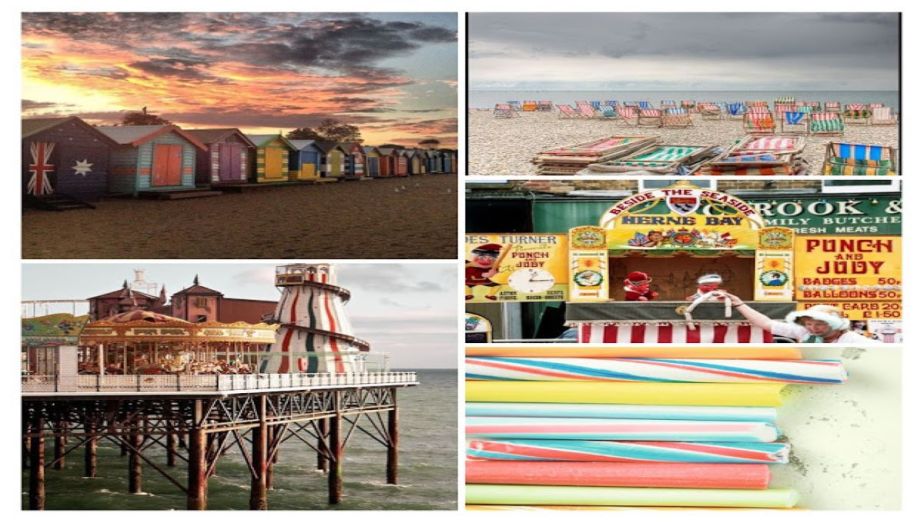
I love visiting the sea, it has to said that the British seaside is unlike any other beach resort in Europe. The weather does play a large part in this, but I feel also that the early origins of the British seaside can still be felt today. Some of the architecture has perhaps lost its grandeur, but its still standing and plays a part in the social history of Britain. I loved going to Scarborough as a child and always remembered the spa with its distinctive black and white tiles. The heyday of the British seaside resort was in the 50s and 60s, I first visited in the late 60s and it seemed wonderful to me. Scarborough claimed to being England’s first true seaside resort and enjoyed considerable growth in the 18th century. (In the early 1700s a spa house had been built to sell the waters to eager visitors to the town, who were determined to improve their health)

I am convinced the sea air always does good, declares Henrietta Musgrove in Jane Austen’s book, Persuasion. Now, Jane Austen often poked fun at the Georgian notion of the sea as a source of bountiful health and healing and in many respects, it was the eighteenth century’s answer to today’s wellness fad. I always feel better too after a trip to the coast, so perhaps it’s time to take some Georgian health advice and rediscover the restorative qualities of the great British coastal break.

While spa towns like Bath still held their appeal during Queen Victoria’s reign, doctors were increasingly recommending trips to seaside resorts. This was mainly because they believed that the bracing sea air contained what they termed as ‘ozone’ or ‘activated oxygen’, something that was very essential but also a preventative of disease and a great aid for the treatment of ailments of all character. We now know that the Victorians were quite wrong about the seaside offering so-called activated oxygen. But in an era of rapidly industrialised towns and cities, a trip to a coastal town did offer a welcome break from the increasing pollution. At the beginning of the Victorian era, for the upper classes a visit to the seaside also gave the opportunity to promenade which grew in popularity during this era. A stroll along the seafront was considered good for the constitution, but a long, level ‘prom’ or esplanade was also like a public catwalk where you could be seen by society and enjoy admiring glances as you strolled serenely by, decked out in your best attire. In much the same way as a visit to a spa town had been the place to be seen, now it was fashionable to be seen in seaside towns.

Many of the things best associated with a trip to the British seaside have their roots in the Victorian summer holiday. However, while we now take these seaside attractions for granted, for many they were considered quite revolutionary at the time, and even an affront to common decency. This led to some puritanical restrictions (which I will mention later) but not even Victorian morality could hold back the tide of change. With the introduction of railways, this new mode of transport could whisk you across the country in a matter of hours, opening up a whole new world of opportunity. Although expensive, the burgeoning Victorian middle class could afford the rail fares and were keen to follow en- masse where the aristocrats led. The railways transformed small communities into bustling resorts to which people flocked in growing numbers.

By the middle of the 19th century, towns such as Brighton, Blackpool and Llandudno had already expanded. With the development of the resorts came the expansion of the wealth of the towns. The local piers offered an impressive variety of entertainment with the creation of much more indoor entertainment to combat the unpredictable British weather. Aquariums, amusement arcades, ballrooms and even circuses were constructed as permanent fixtures to keep the public entertained and keep them spending their hard-earned money. By the end of the 19th century things were starting to look somewhat different. As the era progressed, so did the resorts. People from all walks of life now shared the experience. Attitudes and standards slowly started to change. From rather sedate, genteel beginnings at the start of the Victorian age the upper classes increasingly had to mix with the hoi polloi and began to abandon their traditional resorts. Instead they spent their time and money on foreign holidays where the masses could not follow.( In the 1970s cheap flights encouraged the working classes to fly to europe, which lead to the decline of some seaside resorts)

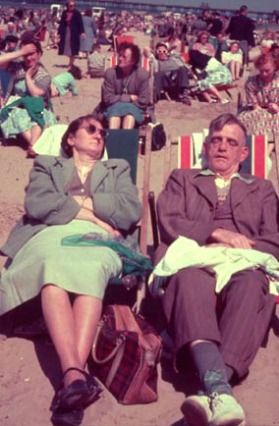
 As access to the seaside increased, many organised trips through churches, charities and societies such as the Temperance Movement gave opportunities to even the lowest in society. The Bank Holidays Act in 1871 saw the introduction of four days set aside through the year as official holidays for all, for the first time ever. It was the working man and his family who had taken ownership of the seaside holiday. With ever-improving conditions for workers, the popularity of what the Victorians created continued to rise, leaving a legacy that still rings true today. More recently, the British seaside conquers up images of ice creams, donkey rides, fish and chips, Bingo, coloured Rock, buckets and spades and the amusements. The rather lively Hen and Stag do’s, particularly the lack of clothing would have horrified the prudish Victorians. But however tacky and in bad taste it can be at times it is still very much our culture and we all still do love to be beside the seaside, beside the sea!

Sea-Bathing

Promoted as a healthy pastime, sea bathing was as popular with Victorian women as men, if not more so as it represented a small yet significant change in attitudes towards what women should and should not do. Paddling and dipping were thought to invigorate health, but how could men and women benefit from such pleasurable pursuits while maintaining the essential decorum? Victorian values and correctness dictated that the proper etiquette was followed. On the beach, this became something of a nightmare for Victorian decency, especially when it came to the tricky subject of bathing in the sea. The first solution was quite straightforward, men and women would bathe in separate parts of the beach. In 1847, Parliament gave local councils new powers to set how far apart the sexes had to be when bathing. Regulation also required that women wore a suitable gown or other sufficient dress or covering to prevent indecent exposure of the body. This swimwear could be extremely heavy, sometimes weights were even sewn into it, so that dresses did not float to the surface. In choppy waters, these heavy outfits could drown a wearer. But these coveralls did serve another purpose, they stopped the ladies getting a suntan. Until the 1920s, having a tan was considered vulgar and only for workers in the fields. However, as modest as Victorian swimwear was ( to their prudish minds) a woman having to walk the length of the beach to the sea was the equivalent of a modern ‘walk of shame’. Instead, they used a bathing machine, which dated back to around the 1750s, these resembled a beach hut with four wheels, it would be rolled out to, sea, usually pulled by horses. Once deep enough in the surf, the bather would then exit the cart using the door facing away from prying eyes on the beach.

Men did not have to employ any similar device and they just strolled into the water wearing a considerably tighter swimsuit. (They often swam naked, but this changed when Women and Children started going to the beaches) However, bathing machines did play a small part in giving a modicum of freedom to Victorian women, allowing them the privacy to experience sea bathing first-hand rather than been excluded as they had been from so many other leisure activities and sports. So, this was the start of more freedom in their life’s.

So, the introduction of the British seaside resort, gave the change to escape the pollution of the larger industrial cities, a chance for the working classes to have a day out with their families and some emancipation for the heavily- restricted Victorian women.

Recent events have placed some restrictions on our travels, so perhaps we should value the British coastal resorts like our ancestors and try a British seaside resort instead of a European beach. Just don’t forget an anorak in case of rain!

The Growth of Spa Towns

I used to live in Harrogate, where you could often smell the sulphur, which is not, I have to say, the most pleasant of scents. When my brother lived in Bristol, I regularly visited nearby Bath. (My favourite UK city) Famous for the history of its spa, playing a large part of its popularity as a tourist centre. There is something very quaint and English about spa-towns.

Britain has a rich, long history of spas. With many legendary past followers: Elizabeth I, Florence Nightingale, Oscar Wilde, Charles Dickens and Jane Austen, spas are as much a part of our culture as saunas are to the Scandinavians. Many towns owe their growth and prosperity to the fact they became spa- towns. (This is a resort town based on a mineral hot spring with supposed health benefits) Bath, the most famous of Britain’s spa towns, was used for health purposes as far back as Roman times. However, Elizabeth I, was instrumental in reviving spas after visiting Bath in 1574, she declared that the public must always have access to the springs. Her royal seal of approval set the trend amongst the respectable classes. The heyday of spa- towns was during the Georgian and Regency periods. Spa resorts of the 18th Century needed to meet the eccentricities and glamour of their visitors. The Georgian love of sumptuous living and bawdy houses, did make the boundaries between a health resort and a place of assignations a little blurred.

In the 18th and 19th centuries spa -towns were expanding rapidly. Thatched cottages disappeared to be replaced by elegant, classical styled, sash-windowed residences. During this time many places went from been tiny villages to the very forefront of high fashion. The chic places to be seen in the season, a place where visitors could bathe, drink the famous waters, gamble, eat, drink, dance, do business and broker marriages. Assembly Rooms were for political intrigue and hearing the latest gossip as much as dancing. Spas were part of the conspicuous leisure consumption that coincided with the rising bourgeois classes having a life of leisure because of their new-found wealth. The social mix encompassed all sorts of characters: aristocrats, merchants, bluestockings, respectable matrons, servants and chancers.

In Mansford’s specialised guide for invalids. He warns that standing around in the cold, wearing inadequately fashionable clothing, is not good for the ‘languid circulation of the semi-animate valetudinarian‘. Spas rose in perceived value the more articles that had been writing by leading Physicists.

The well- known spa towns include: Buxton, Tunbridge Wells, Cheltenham, Harrogate, Bath and Leamington Spa. Many of these still retain echoes of their past grandeur.

Buxton-Derbyshire

The Fifth Duke of Devonshire wanted to establish a fashionable Georgian spa- town in Buxton, so he enlisted John Carr, a leading architect, to build Buxton Crescent. Built in 1780, it rivalled the Royal Crescent in Bath. The forerunner of today’s hotels, comprising not just of rooms but shops, restaurants and Assembly Rooms. Buxton spring water is still bottled locally and today is as ever popular.

Malvern- Worcestershire

Many Victorian physicians strongly believed that through rich mineral spring water, Mother Nature had created a cure for any disease. The town of Malvern seized upon the trend, and in 1842 two hydropathic doctors created the Malvern Water Cure, a dedicated hydrotherapy treatment to stimulate lymphatic drainage. The cure was a huge success. Queen Victoria demanded bottled Malvern Water during her royal tours.

The scientist and naturalist Charles Darwin visited the Malvern’s springs in in 1849 when feeling under the weather. After four months of cold scrubbing and other treatments, the scientist concluded, “I consider the sickness as absolutely cured. The Water Cure is assuredly a grand discovery.”

The local waters, filtered through the pre-Cambrian granite of the ‘Alps of England’ became famed for their low mineral content and great purity. Today they are bottled at Holywell, though many a walker is delighted to find the waters flow freely in springs around the hillsides.

Leamington Spa

Before the 1800’s the town of Leamington Spa was just a rural village, but the rediscovery of its saline springs in 1784 led to the building of the Royal Pump Rooms, baths and assembly rooms. The spring waters were claimed to cure and relieve stiffness of tendons and rigidity of the joints.

(Royal) Tunbridge Wells

The spring at Tunbridge Wells was discovered by accident by a young nobleman, Dudley Lord North in 1606. After travelling back to London with a raging hangover, he tasted the water at the nearby Abergavenny Estate and felt miraculously recovered. By the 18th century the fame of the water had spread and the town rivalled Bath as the place to see and be seen. The Stuart English Court often made the 50-mile trip from London to Tunbridge Wells, fondly known as the courtier’s spa. In the pursuit of health, one could now find both a commoner and a lord bathing in the same hot springs together. Its Charlybeate Spring (derived from the Latin word for steel) contains a particularly high iron content. The town still retains much of its original charm and elegance. You can visit the well in a building called The Pantiles, a Georgian colonnade, and sample the iron-rich waters of the Charlybeate Spring for yourself.

Cheltenham- Gloucestershire

 In 1833, King George III famously shunned the spa capital of Bath in favour of the little-known Cheltenham. This royal endorsement changed the town’s fortunes forever and soon, people of great fortune and nobility were rushing to sip at the new spa. Business in Cheltenham boomed. Rival wells and spas, accommodation and leisure facilities were opened. The town’s spas often held gala fetes and firework displays and its tree-lined walks were perfect for well-to-do visitors to promenade. Assembly rooms, theatres and racecourses were also on hand to keep the respectable classes entertained. Notable celebrities continued to sample the waters well into the 19th century.

Harrogate- North Yorkshire

Harrogate’s Turkish Baths are an illustration of the Victorian love of the Oriental; Moorish arches, elaborately patterned glazed tiles and a series of exotic steam rooms and plunge pools. The iron, sulphur and salt-rich waters in Harrogate were discovered in 1571, and in the 1700s the town became increasingly famous. A theatre and a pump room were built to provide entertainment for the well-heeled visitors, who numbered in their rank’s royalty from across Europe. Although the original building is still standing, it houses a pub and restaurant as well an award-winning spa, that you can still visit today.

Bath

Although it was the Romans who initially discovered Bath’s natural springs, naming it Aquae Sulis and developing it as a sanctuary of rest and relaxation, it was during the Georgian era that it reached its prominence. Princess (later Queen) Anne visited Bath in 1688-1703 to take the waters and soon it was marketed as the premier resort of frivolity and fashion. Jane Austen featured the spa town of Bath in two of her novels. Although taking the waters for your health was popular during the Georgian period It was often an excuse for high society to mingle and show off the latest fashions and attend the theatre and parties. The famous Georgian dandy Beau Nash became Master of Ceremonies in Bath. It is pre-eminent in historical heritage as a Unesco world heritage site which is still open to the public.

In the 20th Century from being the centre of social and fashionable society, the spa industry stagnated. With competition from overseas resorts and the impact of the economic depression in the 1930s, spa visitors dramatically declined. The medicinal benefits of spas were questioned and spa therapies became excluded from the National Health Service. By the 1950s, leading spas like: Buxton, Cheltenham, Tunbridge Wells and Malvern closed their doors to the public.

Today, we can see the popularity of wellness having a huge influence on the way we now view spas. They are not just an indulgence, but an essential element of holistic wellbeing, soothing the mind, body and spirit.

I couldn’t agree more!

Epsom Salts- A Grandma’s Cure

Epsom Salts also known as Magnesium sulfate, are gaining a new generation of fans looking for a safe, inexpensive alternative to high- priced over-the-counter remedies. For hundreds of years, this salt has been used to treat ailments such as: constipation, healing wounds, insomnia and fibromyalgia. Although its effects on these conditions are not well researched or proven scientifically, many people swear by this folk remedy. Its potential uses are numerous as a natural remedy with plenty of health benefits, for beauty purposes to improve the quality of hair and skin, for household related uses and as a garden fertilizer.

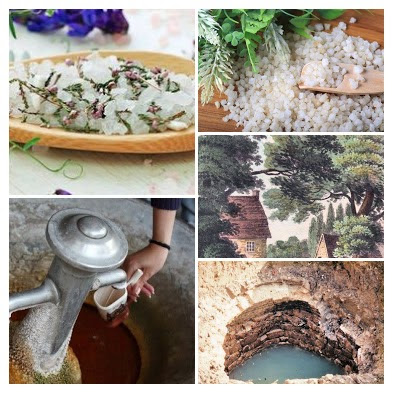
Becoming a sought-after cure for constipation, for hundreds of years, following a happenstance discovery. During a drought in 1618, a local cow herder called Henry Wicker bent down to drink from a pool of water on Epsom Common. He found the water tasted acidic and bitter. As the water evaporated, Wicker noticed white residue left behind and realized after drinking the water that it had a laxative effect. The term Epsom salt and its medicinal properties were established by a chemist Nehemiah Grew in 1695. He called the mineral found in the spring water after the nearest town, Epsom. Nehemiah acquired a royal patent for the exclusive manufacturing of Epsom salt, which soon became cheaply available over the counter. He called it Bitter Purging Salts and this was the first recorded laxative.

Until early 17th century, Epsom was only a small rural community. After the discovery of the springs rich in Magnesium sulfate, it expanded and developed into a spa town, one of the earliest in Britain. The water was said to have purgative powers and was drunk on empty stomach from stoneware mugs. People came from all around Europe to drink the healing waters. Though originally known as a spa town, little remains today apart from a water pump. Epsom was unable to compete with other developing Spa towns like, Bath and Harrogate, because of the low supply of spring water.

 In 1755, a British chemist and physicist named Joseph Black conducted experiments on the chemical properties of Magnesium sulfate. He proposed that Magnesium be classified as an element.

Due to the specific composition, the benefits and actions of Epsom salt are different from those of sea salt or common bath salts. While bath salts usually contain various ingredients as part of their proprietary blend, Epsom salt is a pure mineral compound of Magnesium and sulfate. There are major differences in how Epsom salt and sea salt are obtained. While Epsom salt is usually refined in a chemical process or boiled down, sea salt is obtained by evaporating sea water. Sea salt is edible and widely used in cooking. Where as Epsom salt can be unpalatable because of the bitterness it is edible in very small amounts. It’s often referred to as bitter salt.

Magnesium is essential in the human body for muscle and nerve function and maintaining a healthy immune system. It’s also needed to maintain a regular heartbeat, sufficient blood glucose and strong bones. Most of the reported benefits of Epsom salts are attributed to its Magnesium content, a mineral that most people lack. When Epsom salt is dissolved in water it releases Magnesium and sulfate ions. It is involved in more than 325 biochemical reactions that benefit your heart and nervous system.

As a medication administered intravenously, it can stave off premature birth and alleviate seizures caused by several conditions, including magnesium deficiency, pre-eclampsia, and eclampsia.

The benefits of a soak in a warm bath with Epsom salts are many; easing of muscle soreness and stress, relieving cramps, skin irritation and inflammation, soothing sunburn and treating sprains. When used as a footbath it soothes sore feet. (Apply a paste from 1 teaspoon of Epsom salt mixed with water) To take an Epsom salt bath; add 2 cups of Epsom salt to the water and soak your body for at least 15 minutes. While Magnesium sulfate can be taken as a supplement it is claimed that Magnesium may be better absorbed via an Epsom salt bath than when taken orally.

NB. It should not be added to a bath for anyone with an open wound, severe burns, severe skin inflammation or a skin infection.

Integrative medical specialists (a healing-oriented medicine that takes account of the whole person including lifestyle) often recommend Epsom salts for both physical and mental health benefits. Adequate magnesium levels are essential for sleep and stress management. Magnesium may also help your body produce melatonin, a hormone that promotes sleep.

It serves important bodily functions too, taken by mouth as a laxative as Magnesium is often used to treat constipation. It appears to be helpful because it draws water into your colon, which promotes bowel movements. If you use it as a laxative, make sure to drink plenty of water.

I do hope I have shown you some of the benefits of adding this affordable product to your life, I’ve used this myself for many years. I would advise that you only buy the salt from a reputable source such as a leading health store or chemist and make sure to buy 100% Epsom Salts (Magnesium sulfate) and not a blended version as this does not contain the same health benefits.

Traveling Lighter

On reaching the age of 50, I realized I had spent most of my adult life constantly busy and stressed. Always 10 minutes behind schedule, I was dancing to someone else’s tune: work, family, friends etc. There never seemed to be enough time for me in my own life, perhaps it was time to change the song!  At 50 it was also time to face facts, that I was now a GROWN – UP.  My life was sensible, responsible and comfortable, I worked hard and tried to give as much time as I could to loved ones, but was life exciting or fun? To celebrate my milestone, I wanted to do something memorable and quite possibly life-changing. I was going to go on holiday not just for two weeks but for a whole year. My mid-life teenager was demanding a grown-up gap year.

What was the worse that would happen? Had I gone a little mad? More than likely, but I could always blame in on my advancing age.

Well, everything turned out just fine and dandy. My first Airbnb was not great, however, my second Airbnb was wonderful, I even made a return visit to the same apartment. So, apart from a few little hiccups along the way my solo traveling had been very positive and I would encourage others to give it a go.

 In a quiet, gentle way it was a life-changing experience. My life did not change beyond all recognition. I still have a similar job role, still work too hard and still have many responsibilities to others. That’s just life, there are always going to be bills to pay, even if I won the lottery. What I did learn was the importance of having a family I loved, work I am good at and enjoy doing and the opportunity to be given responsibilities, and at the risk of sounding like a quote from a self- help book, I realized there was a great deal in my life to be grateful for. Sometimes we just don’t appreciate the good fortune we have in our everyday life’s. A couple of years on and I still feel the same, certainly the current Lockdown would have been a great deal harder to cope with without gaining this knowledge.

 Through travel it’s almost as if our eyes open again for the first time in a while. Nothing changes the way you view your own life experiences than by seeing the way other people have to live.

Since I decided to start my journey in August 2015; I have made 7 trips, lasting up to 3 months in length, spending around 15 months in Spain, I have stayed in 32 Airbnb properties and volunteered 3 times. I stayed in; Mallorca, Ibiza, Madrid, Barcelona, Seville, Malaga, Granada, Valencia and the Canary isles. During my trips I met many wonderful, interesting people, making some very special friends who I have continued to stay in touch with, I tried lots of new things and immersed myself in a different culture.

What did I discover along the way? Well oddly, enough I found myself, my younger, braver self that is. I remembered my long-forgotten childhood dreams and goals. Traveling teaches us to explore and discover new and old parts of ourselves. To think about what’s really important. Investing in this rather than what no longer serves you well, not dwelling in the past. Been happy now.

Did I have any regrets? Not at all, there were some laughs and tears along the way, sometimes things didn’t go to plan. Learning how to be calmer and not get frustrated or upset when things went wrong was a hard challenge but learning to roll with whatever came my way was one of the most valuable skills acquired. Been totally independent means that you also spend large amounts of time alone. I missed my home very badly, on occasions, I had to accept living standards well below what I am used too. But knowing that this was only a temporary situation helped me realize, that we can get through any situations by just changing our mindset and trying to stay positive. We can learn and grow from everything we encounter, good or bad.

Where next?  I’ll continue to travel, that I know. My love affair with Spain is the real deal and not just a holiday crush, so who knows where I will go in the future! At the moment, I am unable to leave my house until the end of July, so, I’m writing a blog of my journey, finding new destinations on Pinterest and watching A Place in the Sun. Life is pretty good. So, whilst I prepare for my next adventure, for now I can indulge in some Arm Chair Travel until I can travel for real.

My travel blog is https://travellinglighteratraveljournal.blogspot.com/ 

Japanese Bathing Rituals

It would be difficult to research and write about bathing rituals without looking at Japanese bathing, this is a phenomenon remarkably different from most traditions in the modern Western world. I’ve not been fortunate to visit Japan yet, I would really love to visit such a diverse and fascinating country. I have been reading about at the customs of Sento, Furo and Onsen and the significance of the bathing culture to Japan. This is not just about washing the body but ritual purifications embedded in the Japanese culture for centuries. There is no better example of literally immersing yourself in another culture than the bathing rituals that have endured for many lifetimes.

Sento

Is an age-old Japanese practice of public baths, to cleanse both the mind and body. Sento Bathing became popular amongst common people who relished baths at Buddhist temples. Empress Kōmyō began the practice of charity baths, where she would wash beggars at temple baths. Charity baths eventually became an act of reverence for ancestors and practitioners who would offer baths to any person, regardless of age, sex or social status. The evolution of temple bathing to include charity baths and public bathhouses demonstrates the connection between religion and bathing in Japan. The popularity of public baths continued to increase, particularly during the Edo period from 1603 to 1868. The first public bathhouse in Tokyo was founded in 1591. By the late Edo period, there were over 500 Sento in Tokyo. Both gender-divided and mixed baths were popular during this period, despite the Shogun’s concerns about the potential for immoral behaviour in mixed baths. The prudishness of 19th century Westerners led the government to ban mixed bathing to make Japan seem more civilized. In the early 17th century, amusement and recreation was frequently combined with bathing. Men could often have their backs washed by women called Yuna or bath prostitutes. (Until the government outlawed these). Large groups of people that would travel to their local Sento to eat, drink and sing. It introduced the concept of social mixing which not only aided in slowly deconstructing the existing social hierarchy but created a new cultural flow between the elite and commoners, this had a lasting effect on Japanese social status- quo.

Even after WWII, it was still relatively common for people to not have baths, due to the post-war construction boom in residential housing without bathing facilities or running water. So, the only way to bathe was to attend a Sento at the end of their day.  They continued to be built well into the mid-20th century, with the number of bathhouses reaching their national peak in 1968 at 18,325. Today, the number has dwindled to around 4,000.  Japanese people are now able to afford baths or showers in their own homes. For a class-conscious society, the Sento has become an embarrassing reminder of an impoverished past, and as the ranks of Japan’s nouveau riche have continued to swell, a stigma has fallen upon those who patronize the humble Sento. However, it remains a veritable oasis in many communities, especially in the suffocating hot summers and cold winters.

The two main kinds of traditional Sento are Furoya , steam baths, and Yuya a central large communal bath. Ancient cultures believed in the healing effect of water and today the Japanese believe the adoption of hot baths and its related procedures are the cure for many ailments such as: obesity, kidney disease, rheumatism and neurological disorders. The Sento is roughly divided into two sections: where you wash and where you relax. It is vital to wash thoroughly before entering the relaxation baths. Most baths are classed by temperature: tei-on (tepid) to chu-on (warm) which is bearable for 10 minutes or so. The waters of Sento differ from those of Onsen in that they are not naturally heated.

Some Sento have evolved into Super-Sento, which charges a higher price than the public sento and offers an all-day luxurious bathing experience more like an Onsen. It caters to the Japanese post-modern love of all things comfortable and affordable, usually boasting between fifteen to twenty different types of baths, ranging from jacuzzi tubs, whirlpool baths, steam baths, open-air baths to dry saunas. The Ja-Kuu-Ji, Japanese for jacuzzi bath, is popular, and many are spiked with scented bath oils to sooth and restore vitality. The Uutase Buro massages the head, shoulder, spine and back with a high-pressure stream of hot water pummelling down from a meter or so above. Some Sentos have tapped spring water, which enables them to recreate the Rotemburo: an outdoor hot spring that is a cheap alternative to the more expensive Onsen. The Denki Buro (Electric Bath) is a small bath equipped with steel plates that discharge pulsing currents of electricity into the submerged bather to relax the muscles.

While the future of the traditional Sento is bleak the Super-Sento is poised to solidify its position as a staple of Japanese culture. No longer mystical or godly, the modern-day Sento has reinvented itself as an affordable, chill-out, entertainment, yet still elevated beyond a mere bath. So, for total relaxation and the bliss of total cleanliness, the cultural experience of a Sento is a real must!

Furo– Home bathing version of Sento

Bathing in your own home in Japan is called Furo or the more common form of Ofuro. As part of the Japanese ritual of bathing, these are not meant for washing but rather for relaxing and warming oneself. To achieve cleanliness, the bather washes before entering the bath. Furos are seen as a total renewal on many levels including spiritually. In a Japanese-style bath the water is heated to 110° F or even hotter. In private Japanese homes the bathing facilities are always constructed separately from the washing and toilet facilities. The Furo started the popularity of hot-water soaking in other countries, especially the hot tub craze. Today several firms specialize in the construction of wooden Japanese-style bathtubs. The home version of the Ofuro includes a wooden box or a small pool of water with a couple of benches inside. These large baths were traditionally made of Hinoki, Japanese cypress, which is considered sacred. The modern Japanese bath is a high-tech affair that can automatically refill the bath or reheat the water. Within a home’s private ofuro, family members bathe together and discuss their day in a relaxing environment. These larger baths are fairly new, before that, the family used the bath in order of importance, with guests going first, men before women and the eldest family member before the youngest. The Shimai-Buro, the house wife, went last so she cleaned up after everyone else.

Onsen- Japanese hot springs

The Japanese archipelago is highly volcanic with over 100 active volcanoes and rich hot springs which have become recognised landmarks. Over 25,500 hot springs bubble in Japan year-round and are distributed according to the numerous volcanic chains running through the archipelago. The wealth of hot springs led to the development of Onsen. Which is an excellent way to enjoy Japan’s natural beauty, particularly during cold winters.

 The Japanese have been bathing in the natural hot springs for well over a thousand years, and there are many historical accounts of feudal lords having their own favourite Onsen spots, kakushiyu, where they may have let their samurai bathe after battle. Claims regarding the curative properties precede Buddhism’s introduction to Japan. The Onsen’s healing waters were frequently believed to be gifts from animals, gods or Buddhist deities. The Japanese longevity and long-standing dedication to Onsen are a testament to the positive effects of natural springs on health and well-being. The healing benefits of each Onsen depends on the minerals in its water; hydrogen carbon-rich springs smooth the skin, sulphurous springs help manage blood pressure and keep arteries supple, and iron-heavy springs soothe achy joints and muscles even easing arthritis. Taking to the waters of Onsen has historically carried spiritual and religious meanings in addition to their cleansing and healing properties. Devotional bathing and charity baths show how Buddhism and bathing are intertwined in Japanese history and culture.

Generations of Japanese women and men have practiced the ritual of bathing in mineral-rich Onsens for beautification and health. Despite the technological advances in skin care coming from Asia, Japanese women still consider Onsens a fundamental part of their beauty regimen. Dermatologists have long known that sulphur nourishes the skin, is anti-inflammatory, heals acne and relieves various skin conditions. But beyond the science lays a few centuries of nourishing the soul and a mythical history.

Within the Onsen, there may be one large bath or several big pools, these can be indoors or outdoors. The Rotenburo is an outdoor bath, allowing you to experience nature while enjoying the shelter of a roof of some sort and the heat of the bath. After showering, they slowly lower themselves into the water in the pools, exhaling a long, protracted achii, meaning hot, and then relax and practice mindfulness.

Many newer versions of onsens have been adapted to appeal to the changing needs and interests of Japanese consumers and tourists. The modern Onsen resort experience includes up-scale hotels and spas to replace Ryokans (inns)

Where to try Onsen Bathing in Japan:

Noboribetsuo: On the northern island of Hokkaido, a volcanic area known as Hell Valley supports the town’s thermal pools.

Takaragawa: Tokyoites flock to this Onsen for a dose of nature with their skin-reviving soak. The large outdoor baths are mixed-gender.

Naoshima: The public bathhouse here doubles as an art installation commissioned as one of many contemporary artworks and museums on this remote fishing island in the Seto Inland Sea.

Kinosaki: This old-fashioned village north of Kyoto, has bathing options which range from historic bathhouses to private tubs in ryokans.

it is certain that bathing culture in Japan is vibrant and still flourishing indicating a long-term economic stability and prosperity. By continuously reinventing themselves to remain entertaining and engaging, Onsen and Sento continue to about much more than a simple bath.

Independent Bookshop Week

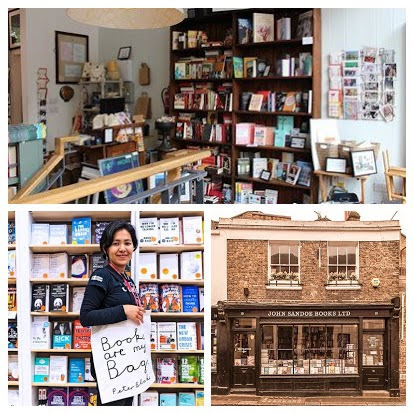
I was watching the local news last week and heard about Independent Bookshop Week for the first time. I have to say that running any Independent retail business is hard. (I have done this for years) But running a book store must be one of the hardest, with Amazon and even supermarkets selling the latest releases at a highly reduced cost it must be very difficult to compete on a level playing field. I meet a lovely lady, who was full of great ideas, at the start of the year at a local networking event who was telling me about the book shop she has been running successfully for several decades, and the many different events and exhibitions that were held throughout the year. I think that indies all need a niche of sorts but with bookshops it is crucial.


Independent Bookshop Week 2020 took place on the 20th to 27th June in the UK, I think the USA version takes place in August. The Independent Bookshop Week is part of the Books Are My Bag campaign and run by the Booksellers Association, it seeks to celebrate independent bookshops in the UK and Ireland. This is organised by the BA and sponsored by Hachette. This annual celebration of independent bookshops across the UK this year has adapted to include online/virtual events to give book- lovers across the country access to authors and books during lockdown.


I think that books and reading have played a huge part in keeping me sane during lockdown, as a chance to escape, when I can’t leave my home for months! I think I’ve reached 80 books so far, luckily friends and family have been dropping bags and boxes of books on my doorstep!

During the week, it was a chance to celebrate the role indie booksellers have continued to play in building a sense of community during the pandemic as well as encouraging customers to support their local high street by shopping local at what is a particularly challenging time for small retailers. I fully support buying local, we all must if the local high street is to survive.

BOOKS ARE MY BAG is a nationwide campaign run by the Booksellers Association to celebrate bookshops. It launched in 2013 and today it comprises of the Bookshop Day and the Books Are My Bag Readers Awards. At the centre of the campaign is the iconic BAMB tote bag. Since the campaign launched, over a million people have worn a Books Are My Bag to show their love for their local bookshop.


Every year over a thousand bookshops around the country take part in Bookshop Day by creating bespoke window displays and holding special events like: reading groups, storytelling, author signings, literary lunches and even face painting! The BAMB Readers Awards are the only awards curated by bookshops and voted for by book-lovers.


Why Buy Books in your local bookshop? Well if you don’t, they will sadly disappear from the high street. But it might be worth also thinking about the reasons below:

You love books

You might make a purchase you’ll value for the rest of your life

You’ll be shopping on your local high street

You’ll be helping create local jobs

You might just find a book you never knew existed

You’ll find great gifts for friends and family

You can talk to real people about books they know and love

You’ll be part of your local book-loving community.


Bookshops aren’t the same as other shops, they aren’t simply a place to go and buy something, they are so much more than that. When people were asked what it was that makes a bookshop so special, the same messages kept coming up again and again. They are different to other shops, they are relaxed, they’re a place of calm and they are somewhere to talk and to hone ideas. You can easily while away hours in a bookshop, knowing that you aren’t going to be rushed and that there are like-minded people around you.


In this day and age, where technology rules all, there is still something very special about an actual book, I love the smell and feel of a book, which is very different to a kindle book. Browsing through shelves, you never know what you will find, flicking through a book can take you into a different world. Books unite everyone that visits, regardless of where they are from and what they do when they aren’t in the shop. Everyone has a love of books in common and that immediately means that we have something to talk about. Visits to bookshop can give much needed ‘me’ time. I clearly remember getting away from it all by heading to the second floor of Waterstones in Hampstead, when I lived a hectic lifestyle in London.


What makes independent bookshops so important is that they are safe spaces. They can become community hubs, a place that can help to ward off loneliness. To visit regularly for a chat and to browse and in many cases have a cup of tea and cake in the attached café. Children are encouraged to look at the books and learn to love them, often there are kid’s book nooks so there is no need for them to worry about being quiet.

As many local libraries have been closed it makes the role of a local bookshop even more essential.

Damian Barr from indie bookshop week said the following “Indie bookshops do so much for readers and writers—they’re the beating heart of publishing. It’s a joy to be able to celebrate a different indie every day for a week, in addition to our Indie Bookshop of the Month feature on Salon.”


Visit their website for more details; https://indiebookshopweek.org.uk/


Despite the restrictions of 2020 the event was still a success, Emma Bradshaw, Head of Campaigns at the BA, said: “We couldn’t be more delighted by the enthusiasm for Independent Bookshop Week 2020 from across the book trade. In this immensely challenging time, we hope that book lovers across the country will enjoy the many fantastic online events and exclusive editions on offer from indie bookshops, while remembering to choose bookshops and shop local.”


I do hope this special event can continue to go from strength to strength, and that perhaps during lockdown many people have re-discovered their joy of reading.

The Healing Benefits of Seaweed Bathing

Outside- The Body

I have talked already about the many benefits to the inside of your body by eating seaweed. What about the benefits to outside your body? Legend has long had it that taking a dip in the sea can work wonders for your health. As far back as 400BC, Hippocrates, the father of medicine, was advocating saltwater and heated seaweed baths for curing a variety of bodily ailments.

Go to the ocean to heal– is a quote ascribed to Hippocrates.

Seaweed has been in use for thousands of years, in diet, science and bathing, it boasts a myriad of nutrients, amino acids, and antioxidants that are associated with skin health and beauty. As skin is the largest organ in the body it gives the maximum surface through which its natural source of minerals, vitamins and amino acids in seaweed can be fully absorbed. Seaweed takes the nutrients in the water in a similar way to the way our bodies do, it balances and purifies the ocean through its growth and chemistry. So, bathing in the weeds of the sea can be healthy, balancing and nourishing for the skin and body. Acting as an emoillant which locks in moisture. Our skin is constantly plagued by harmful environmental effects that can speed up the skin’s aging process. Research suggests that seaweed has a revitalizing effect on the skin because of its anti-inflammatory properties and its ability to induce blood flow to the skin. A hot seaweed bath is like a wet-steam sauna: the greens from the sea balance body chemistry without dehydrating it. The electromagnetic action of the seaweed acts as a diuretic to release excess body fluids from congested cells. So dissolves fatty wastes through the skin, replacing them with minerals, especially iodine, which boosts thyroid activity. Seaweed is rich in B, C, E and K vitamins, niacin, pantothenic acid and folic acid. Vitamin K boosts adrenal activity, which can help maintain hormone balance for a more youthful body. Scientific studies have confirmed that seaweed bathing helps lower body stress and back pain. Skin conditions like psoriasis, eczema and acne are relieved and soothed. It has also been shown to be beneficial in the treatment of muscle aches and joint stiffness helping in combating rheumatism and arthritis.

  In 1904 French scientist Rene Quinton published the medical work L’eau de Mer, Millen Organique which translates as Sea Water Organic Medium. Quinton’s study indicated that sea water and human plasma, Blood and Lymph fluid, are almost identical in their composition of mineral salts, proteins and various other elements. Seaweed is one of nature’s sponges so absorbs minerals from the sea. In a bath where seaweed and seawater are infused the mineral concentration within the infusion is much greater than in the water alone. ( This would occur in a treatment bath)

Many people in countries like Ireland and France, where it grows in abundance, have long used seaweed to keep the skin clean, moisture-rich, and rejuvenated. Natural skincare and body care has evolved, but one thing remains true, we still make use of the raw ingredients around us, often using plants our ancestors have used for centuries to help to heal the skin and body. Modern thalassotherapy techniques use seawater and seaweed baths and treatments to deliver their potent combination of beauty properties and healing elements.

France still leads the way with many Spas (thalassotherapy) specializing in seaweed treatments, many of which are associated with body toning, slimming and skin imperfections. We are made up of 65% water and water is the basis for our body’s evaporative cooling system. It flushes out toxic wastes, plumps up our cells, and lubricates our moving body parts.

Ireland has had a centuries-old practice of Seaweed bathing. It has fortified generations who relied on its therapeutic benefits to see them through the cold season, helping with aches and pains caused by the damp climate. Spartan seaweed baths were once popular in Ireland many attributing robust health and energy to the traditional cure of a hot seaweed bath. Now it’s much more relaxing, with many Spas and Hotels offering this service. The Ice House, in Mayo, has the Chill Spa with lovely products created by VOYA.ie it has an outdoor seaweed bath on the deck overlooking the river and is pure luxury. Voya Seaweed Baths is based in the coastal village of Strandhill in County Sligo they offer detoxifying seaweed baths and treatments utilising the natural power of their organic hand-harvested, wild seaweed. For full details of bathing treatments and products visit:

https://www.voyaseaweedbaths.com https://www.voya.ie/

The seaweed used for bathing in Ireland is a wrack called Fucus Serratus, also known as serrated wrack and Fucus Vesiculosus known as Bladder wrack, belonging to the brown seaweed family. Wracks are large seaweeds growing on rocky shores in the northern hemisphere, particularly in Europe and North America. This seaweed has a high mineral content, and is rich in sulphur, iodine and natural oils.

It is possible to try seaweed treatments and baths at home and there are many great companies selling products that are both therapeutic and relaxing. Look for organic and natural companies where possible. Think how great you feel after walking on the beach and having a dip in the sea. A seaweed bathing regimen is thought to have a significant impact on our health and well-being as well as pure relaxation after a busy day.

Well I am totally convinced are you?

The Benefits of Seaweed- Inside and Outside

Inside- Edible

As I mentioned in my last blog post there are huge benefits to bathing with seaweed, however there are also has great benefits for inside as well as outside your body as seaweed holds a reputation as a nutrient-rich superfood. Seaweed or sea vegetables are forms of algae that grow in the sea and are found along rocky shorelines around the world. Its full of vitamins and protein as well as been low-calorie, crunchy and salty so is both nutritious and tasty. Seaweed has long been a staple of many Asian diets particularly in Japanese cuisine but has become increasing popular among health-conscious eaters for the fact that it’s plant-based and high in protein, it has as much calcium as milk, depending on the type of seaweed so is perfect for a vegan diet. Seaweed features powerful anti-viral properties that have been shown to guard against the influenza virus so during the cold and flu season it is worth increasing your intake of this marine plant. (Take note, a little goes a long way) It’s extremely versatile and can be used in many dishes, including sushi rolls, soups and stews, salads, supplements and smoothies. In Brittany, in France, an area which has a kelp forest called the Lamiariar, fisherman minced seaweed in butter which they called Beurre des Algues they ate this on bread and used it to cook fish.

Research is underway in using an extract called alginate (taken from types of brown seaweed) to add fibre to junk food favourites such as burgers, pies and cake. Adding the seaweed extract could quadruple the amount of fibre in white bread. A low fibre diet in the western world is seen as one of the most harmful dietary problems in staying healthy today.

While there are more than 100 types of edible seaweed, these are the varieties you’ll see the most often:

  1. Nori, think of this as the gateway seaweed. It shows up on sushi rolls and in sheets as seaweed snacks.
  2. Kelp- also known as kombu, kelp is the primary ingredient in dashi, a Japanese stock that forms the base of miso soup. Kelp powder can be added to smoothie’s.
  3. Wakame-is the main component of most seaweed salads and the wide, slippery seaweed found in miso soup.

There are several ways of adding seaweed to your diet; kombu can be added to dried beans. (It helps break down the sugars in beans that cause gas) Kelp can be added to coleslaw. Furikake is a topping that includes sesame seeds and nori and can be added to popcorn, roasted veggies, cooked fish and omelettes. Spirulina adds more health benefits to a fruit smoothie.

The colours of seaweed range in colour from Red to Green to Brown to Black: Green algae is sea lettuce or ulva, Brown algae is kombu, arame, kelp and wakame, Red algae is dulse, laver, and nori, and Blue-green algae is spirulina.

There are 7 science-backed benefits of seaweed:

  1. Iodine and Tyrosine (an amino acid) is needed by your thyroid gland to function properly. The thyroid gland releases hormones to help control growth, energy production, reproduction and the repair of damaged cells in your body. Seaweed has the unique ability to absorb concentrated amounts of iodine from the ocean. Without enough iodine, you may start to experience symptoms like weight changes, fatigue or swelling of the neck. Kelp is one of the best sources of iodine.
  2. Good Source of Vitamins and Minerals, each type of seaweed has a unique set of nutrients. Seaweed also contains small amounts of vitamins A, C, E and K, along with folate, zinc, sodium, calcium and magnesium. The protein present in some seaweeds, such as spirulina and chlorella, contain all of the essential amino acids helping to ensure you get the full range of amino acids. Seaweed can also be a good source of omega-3 fats and vitamin B12.
  3. Contains a variety of protective Antioxidants, which can make unstable substances in your body called free radicals less reactive which makes them less likely to damage your cells. Excess free radical production is considered to be an underlying cause of several diseases.
  4. In addition, seaweed boasts a wide variety of beneficial plant compounds, including flavonoids and carotenoids. These have been shown to protect your body’s cells from free radical damage too. Fucoxanthin is the main carotenoid found in brown algae, such as wakame. Fucoxanthin, has been shown to protect cell membranes better than vitamin A. While the body does not always absorb fucoxanthin well, absorption may be improved by consuming it along with fats.
  5. Seaweed provides fibre and polysaccharides that can support your gut health. Gut bacteria play an enormous role in your health. You have more bacteria cells in your body than human cells. An imbalance in these good and bad gut bacteria can lead to sickness and disease. Seaweed has a higher fibre content than most fruits and vegetables.
  6. It may help you lose weight by delaying hunger and reducing weight. Seaweed contains a lot of fibre but does not contain any calories. This helps you feel fuller for longer and can delay hunger pangs. Fucoxanthin, contributes to an increased metabolism and may help reduce body fat.
  7. A reduction in the risk of heart disease and diabetes. Heart disease is the leading cause of death worldwide. Seaweed may help reduce your blood cholesterol levels. It also contains carbohydrates called fucans, which may help prevent blood from clotting. Diabetes, occurs when your body is unable to balance your blood sugar levels over time. Seaweed gives additional improvements in controlling blood sugar. A substance in seaweed called alginate prevented blood sugar spikes and may also reduce the absorption of sugar into the bloodstream.

N.B- Although seaweed is considered a very healthy food, there may be some potential dangers of consuming too much. As it can contain a very large and potentially dangerous amount of iodine. High amounts of seaweed can affect thyroid function, and symptoms of too much iodine are often the same as symptoms of not enough iodine. Seaweed can absorb and store minerals in concentrated amounts. This poses a health risk, as seaweed can also contain large amounts of toxic heavy metals such as cadmium, mercury and lead. It is best to buy organic seaweed, as it’s less likely to contain significant amounts of heavy metals.

The fact that it’s plant-based and high in protein as well as containing many other nutrients would make it ideal for a vegetarian or vegan to help any deficiencies in their diet. I think it’s a great idea to add seaweed to your diet for extra fibre too which is often too low in the typical western diet. As a healthy, natural, substantiable food it is very on trend at the current time!

I will write about using seaweed, outside or on the body in my next post.

Water Power-Hydrotherapy, Balneotherapy and Thalassothreapy

Water is the most receptive element and the greatest receiver of energy. In my last blog post, I talked about the history of the practice of the Water Cure, which is a combination of Hydrotherapy, Balneotherapy and Thalassotherapy. Whilst in the main these water therapies are best practised in a spa or with trained practitioners, some aspects like Balneotherapy can be done at home.

I have covered a little about each method below:

Hydrotherapy is a therapeutic whole-body treatment that involves moving and exercising in water, it can also be called Aqua therapy. Hydrotherapy pools are usually different from ordinary pools – the temperature, pressure and movement of water is controlled and changed according to the requirements of the person having the treatment. However, you could have hydrotherapy treatments in any water or pool. Being immersed, buoyant or massaged in water can relieve our bodies in a variety of different ways, and hydrotherapy can help with many physical and emotional complaints; including rheumatic pain and arthritis, poor muscle and skin tone, back pain, muscle or ligament injuries; broken limbs, neurological conditions such as strokes or brain injuries. Doctors often prescribe a course of hydrotherapy as part of a treatment program. It is also used by athletes to improve and maintain their general health and fitness, and by others as part of a healthy whole-body. Hydrotherapy is often prescribed by a GP or therapist as part of a course of treatment: a program of movements and exercises is tailored to your needs.

NB- If you’re having hydrotherapy at a spa, you may well be having a more general treatment, in which case just be aware of the power of the water.

There are different versions of Hydrotherapy, I have listed several below:

The Watsu Method– Also called water Shiatsu, is a combination of Aqua therapy and Shiatsu. Watsu is based on stretching the body in the supportive, relaxing medium of warm water. Besides the physical benefits this also has benefits mentally. The Watsu method has a general relaxation and calming effect that soothes the muscle tension and stimulates all of the body systems and organs by nourishing the energy flow.

The Feldenkrais Method- This method promotes teaching individuals about the quality of their movements and how to move effortlessly with ease and efficiency. This is called Awareness Through Movement, many of the aspects of this can be successfully adapted to water. The properties of water can affect movement; for example, the relationship of yourself to gravity combined with the unique attributes of the Feldenkrais method.

The Burdenko Method– Is a method of Aqua therapy which is designed to address the 6 precepts of fitness: strength; flexibility; balance; co-ordination, endurance and speed. It is promoted as a great way to recover from injury or surgery.

Balneotherapy, is hydrotherapy without the exercise and is also called Spa therapy. Thermal water treatments are century-old practices, used all over the world and part of traditional therapies of ancient and modern cultures There are three basic ways of taking the waters, these are: externally, through immersion, either total or partial; into the lungs and respiratory tract, through the inhalation of aerosols; and internally, through drinking.  The various kinds of mineral waters have differing effects through each of these. Balneotherapy. is frequently used in alternative medicine as a disease cure and is very popular for treatment of all types of arthritis. Scientific studies have proven that balneotherapy could help in the reduction of pain in conditions such as low back pain, osteoarthritis, and fibromyalgia. It could also help manage stress also in a better way.

Water has different properties at different temperatures: Hot is stimulating and will relax muscles. Warm is gently reviving and will stimulate the appetite, cool, is soothing for heated skin and inflammation. Cold water can only be used for short intervals of time. This can be used after hot water for exhilaration and stimulating circulation. Alternating between hot and cold water can be a powerful technique. Balneologists have three major vectors for analysing and classifying the natural mineral waters that occur at various spa resorts. The thermal waters, as they come out of the earth, are naturally one of three temperatures:

     Hypothermal:  from cool to tepid, well below body temperature.

     Mesothermal:  warm, or around body temperature.

     Hyperthermal:  hot, or well above body temperature.

During immersion, the skin absorption of the minerals in the water can be considerable, especially in total body immersion and if the water is at a high temperature.  The skin and the peripheral lymphatic and capillary circulation are the most directly affected.  With aerosol inhalation, lung and respiratory conditions are targeted.  And with the internal imbibing of the waters, the digestive organs and the Natural Faculty are most directly affected, and through them, every organ and tissue in the body.  In addition, techniques like massage are used with salts, peats, clays and muds. In countries like Hungary and Poland, it has been in use for centuries for the treatment of common ailments.

Balneotherapy can be done at home. The following is a suggestion of ways to ensure it works for you:

Prepare the water in a bath, making sure the temperature is between 98.6 degrees and 107 degrees. If you want to stimulate your body or to treat mild fatigue, a bath at a temperature of 98.6 degrees is ideal. If you would like to soothe your muscles and joints after an intense workout, the preferred temperature would be higher at 107 degrees. The minerals that can be easily used at home for Balneotherapy are Epsom salt and Dead Sea salt. The recommended amount is 1-2 cups in a standard-sized bath. Soak for about 15 to 20 minutes to reap the benefits of this therapy. Making sure that you are soaked all the way up to the neck. After taking your bath, relax for 10-20 minutes, lie down or meditate for a while.

NB-If you have respiratory or heart problems, make sure to consult a doctor before opting for Balneotherapy.

Thalassotherapy– It was Frenchman Jacques de la Bonnardière, in 1865, who invented the concept of thalassotherapy, combining two Greek words, thalassa (sea) and therapies (therapia). The Greeks, have always been a seafaring people and they have always placed great faith in the healing powers of the sea and the marine environment. Due to the supernatural power attributed to the warm waters and their vapours, it’s not surprising how the first Thermal baths arose in Ancient times near the temples and natural hot springs. Some claims are made that Thalassotherapy was developed in France during the 19th century. I think that many of the techniques were used for centuries before this but were actually fine- honed in France at a later time.

The word spa comes from the Latin sanitus per aqua which translates as health through water and the curative qualities of seawater and the seaside climate have been used for therapeutic purposes since Roman times. Today, it’s a big business and there are countless seaside towns where visitors flock to be sprayed, floated, pummelled and hosed using a variety of water-based techniques. The marine air is filled with healing, refreshing negative ions. Modern science tells us that all life evolved out of the oceans, so the desire to take a healing, refreshing dip in the ocean can be seen as the desire to return to our Source.  The writings of Rene Quinton formed the foundation for the modern science of Thalassotherapy. French physicians started formulating treatment plans and therapeutic protocols in Thalassotherapy and constructing seaside Balneotherapy resorts where seawater was pumped in to large thermal treatment pools. The first rheumatism and depression treatment centre opened in Boulogne-Sur-Mer in 1800 but enthusiasm for Thalassotherapy only really took hold in 1822 with the opening of the first warm water spa in Dieppe, which would launch its fashionable beach resort. Which encouraged people to take a spa holiday.

 Some of the health problems that can be treated include eczema and psoriasis, joint problems, arthritis, poor circulation, immobility and post-operative conditions, which are treated with seawater baths and sea algae packs.  Thalassotherapy is also very beneficial against stress, fatigue and aging and other minor health complaints we all suffer from which can slowly sap our vitality and immunity.   The secret to seawater’s effectiveness lies in its trace minerals, which act as catalysts to activate the cellular enzymes.  Without these vital trace minerals, cellular activity gets sluggish, which adversely impacts all the major bodily functions. The nutrients from food ingested by a de-mineralized body can’t be properly absorbed, digested and metabolized.  So, our bodies can’t properly expel metabolic wastes and toxins.  Cellular sluggishness can produce a whole plethora of nasty symptoms including fatigue, insomnia, a slow metabolism, circulation problems and poor immunity, all of which can lead to more serious health ailments and diseases.  All of these conditions can be remedied by the healing effects of seawater and Thalassotherapy. Some of the standard procedures and treatments are algae poultices, algae hand and foot baths, hot seawater baths, ( Seaweed has incredible qualities and I will tell you more about these in my next blog post) underwater massage and jet Thermal Medicine.

The health benefits of the seaside and ocean can be experienced by simply spending a day near the coastline, it is certainly one of my favourite things to do, I always feel wonderful afterwards!