Sleep- A Super Power

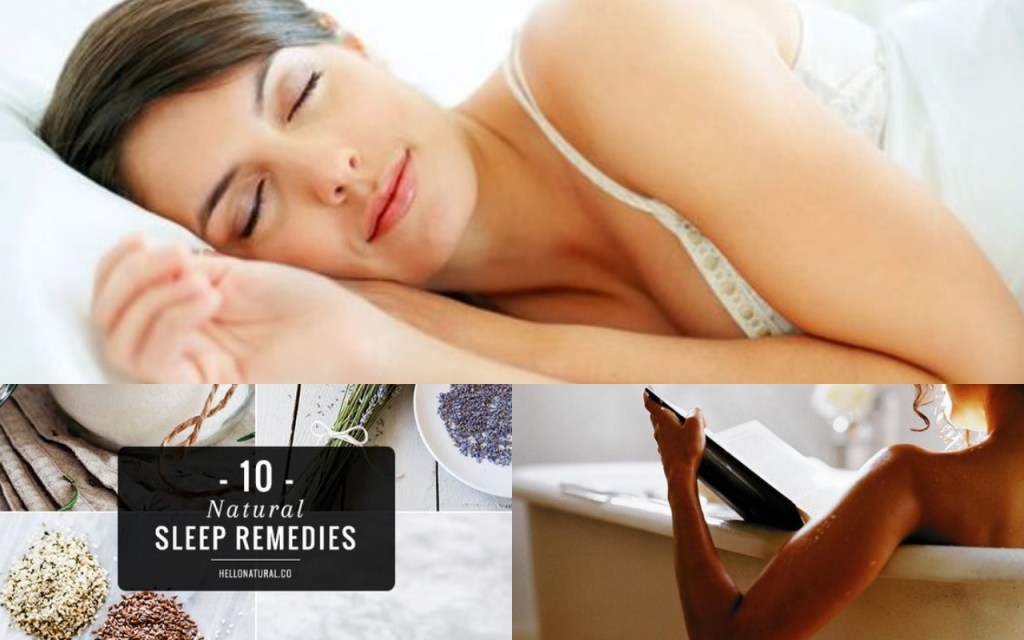
Why is sleep important? A good night’s sleep is incredibly important for your health. In fact, it’s just as important as eating healthy and exercising. Along with nutrition and exercise, good sleep is one of the pillars of great health. You simply cannot achieve optimal health without the super power of sleeping well. And like nutrition and exercise, there is no one-size-fits-all number for the hours of sleep each of us needs. The ideal number varies according to age, gender and lifestyle. But we do all feel so much better after a good night’s sleep. After nine hours of sleeping like a log, you can wake up feeling bright-eyed, bushy-tailed and ready to take on anything the day might throw at you. Unfortunately, there’s a lot that can interfere with natural sleep patterns. As busy as we are, it isn’t a surprise that sleep is usually the first pillar of the health foundation to be overlooked.

Sleep is important for various aspects of our health. In fact, sleep quality and duration can have a major effect on many health risks factors; brain function, mental health issues, immune system, the appearance of your skin, protecting against heart disease, your ability to interact socially, a loss of sleep can even increase one’s risk for obesity and weight gain.

How to sleep better is obviously upper most in our minds, with 76% of us feeling we don’t get enough sleep. People with medical conditions are more likely to suffer from poor sleep, according to The Sleep Council’s Great British Bedtime Report. It’s been estimated that 90% of people with depression complain about sleep quality. Getting a good night’s sleep can help to keep your immune system fighting fit and keep germs at bay. Sleep gives your body the time it needs to rest and repair, which is one of the reasons you feel tired and want to sleep more when you’re unwell. Sleep supports the proteins and cells of your immune system to detect and destroy any foreign invaders your body might come into contact with, like the common cold. it’s essential to allow yourself time to rest and recover when you’re not feeling well. Even a small loss of sleep has been shown to impair immune function.

A consistent loss of sleep can increase one’s risk for obesity and weight gain. That’s because lack of sleep influences the body’s hormonal responses, some of which are decreased insulin sensitivity. Good sleepers tend to eat fewer calories. So poor sleeping can affect your weight. So bad news for dieters.

What are the benefits to your brain, learning and creative power? And so what happens when you sleep?  Well, sleep gives your brain a chance to sort things out. Scientists aren’t exactly sure what kinds of organizing your brain does while you sleep, but they think that this might be the time when the brain sorts and stores information and solves problems. Creativity can also be boosted overnight. How often do great ideas come to mind on waking up!

A study in the journal Clinical and Experimental Dermatology found that people who slept seven to nine hours a night had skin that was more moisturized and that could protect and heal itself better compared to those who slept five hours or less. Your body boosts blood flow to the skin while you snooze, which means you wake to a healthy glow.  When you skimp on your sleep your complexion can look drab, ashen and lifeless. So, you not only feel better after a good night’s sleep but look better too.

What else can impact sleep? Eating heavy meals late at night, alcohol and caffeine drinks like coffee can cause problems sleeping, so are best avoided, herbal teas can be help and most supermarkets and health stores carry a large selection of teas and natural remedies. Technology can affect sleep, like using phones and computers at night, so for an hour or so before bedtime, turn these off and never use these in bed.

Stress often causes poor sleep patterns. If you’ve got a lot on your mind and are struggling with your emotions, going over things in your head can often keep you awake at night. If you are up at night worrying, you might begin to see a change in your mood and a lack of sleep can leave you feeling low. This could then cause you to feel anxious and create more negative thoughts about not sleeping. This might keep you awake even longer and can turn into a vicious cycle of worry and poor sleep. Its hard to stop this happening so try talking about worries before bedtime or even get professional help.

Try to keep a consistent bedtime and wake up time as our body clocks thrive on routine. Having a set wake up time seven days a week is important, particularly when we are having problems sleeping.

We need bedtime to be positive and relaxing, so a warm bath, hot drink or reading a book is a simple and effective wind-down after a busy day. The website https://sleepcouncil.org.uk/ offers detailed advice for all sleep-related issues.

Remember sleep is a super power we all need to survive and strive and its free.

Coronavirus and Sleep Patterns

Are you feeling sleep-deprived this winter? Yes, then you have joined over half of the population, who are reporting getting as little as just four hours sleep a night on average. Which is totally shocking and falling very short of the recommended six to eight hours sleep every night. The state of the nation’s sleep has come under scrutiny as more people admit they are unhappy with the quality of their sleep and the effect it is having on their ability to function daily.

According to a major survey commissioned by three of the leading bodies championing sleep, Sleep Station, The Sleep Council and The Sleep Charity. More than 2,700 people took part in the National Sleep Survey to provide an overview of the nation’s sleep during the Covid-19 global pandemic, the biggest UK survey of its kind to date on this subject. And it found that the coronavirus was affecting all aspects of sleep. Nearly four in 10 people (39%) are now going to bed later but also believe that the amount of sleep they get is shorter than normal. Nearly a third (30%) are also waking earlier. Significantly, women find it harder to fall asleep (46%) with men more likely to report no change or slightly longer sleep duration. Nearly three in every 10 people (26%) said waking too early was worse now than before. More than a third (33%) are experiencing more vivid dreams.

Sleeping well is crucial to our physical and mental health and wellbeing. With people experiencing signs of depression and reporting that lack of sleep is impacting on their mood, concentration and how tired they feel in the day, we have been exposed to lots of government advice around diet, exercise and how to look after our mental health during these challenging times. However, we’ve not heard anything concrete around sleep and it has never been more important. Lisa Artis, head of The Sleep Council

Dr Neil Stanley, an independent sleep expert who works with The Sleep Council added that millions of Britain’s have been impacted by the coronavirus in some way. The survey findings come amid rising concern that these unprecedented times are causing a surge in sleep issues. A lack of support, or lack of awareness of the help available for those issues, could have a lasting impact on the people of Britain.

The first Lockdown hit us all hard and now we are all back for a re-run. It’s much harder to stick to the routines we have in our usual life’s. No one knows what day it is; bedtimes have become much later and it’s harder to get up in the morning, plus we’re all feeling a little more anxious than normal. We know we should be getting exercise but its not as easy in winter than in summer-time. I have a treadmill at home but it’s still difficult to make myself use this everyday in lieu of walking to work daily. And it’s not just adults, this is also impacting on children. In these extraordinary times, it is fully understandable that sleep patterns may have changed for the worst. Too many of us check emails, social media or browse the internet before bedtime, some of us even use our phones and computers in bed. Over-use of computers and mobile phones is most likely adding to the problems of us not sleeping well.

The Sleep Council have offered the following advice:

  1. Keep regular hours. Going to bed and getting up at roughly the same time, all the time, will programme your body to sleep better. Choose a time when you are most likely to feel sleepy.
  2. Your bedroom should be kept for rest and sleep and it should be neither too hot, nor too cold; and as quiet and dark as possible.
  3. Regular, moderate exercise such as walking can help relieve the day’s stresses and strains. But not too close to bedtime or it may keep you awake!
  4. Caffeine is a stimulant and its effect on sleep is well known – it interferes with falling asleep and prevent deep sleep. Try and avoid it 4-5 hours before bedtime; have a hot milky drink or an herbal tea instead
  5. While alcohol initially relaxes you and helps you to nod off, it decreases the amount of time you spend in REM sleep (deep, restorative sleep). Plus, you will find you wake in the night dehydrated and needing the loo
  6. Have a warm bath, listen to some quiet music, do some yoga – all help to relax both the mind and body. Your doctor may be able to recommend a helpful relaxation tape, too.
  7. Blue light inhibits the night-time secretion of melatonin and impacts on sleep latency so avoid screen time at least an hour before bed.

The website https://sleepcouncil.org.uk/ offers a range of helpful advice on improving sleep patterns. Self-care is so important right now, and a good night’s sleep can help so much with the upheavals we are all going through. Reading a book or listening to some relaxing music is going to be more helpful to sleeping that watching the latest news updates. Worrying about the future is natural but we can handle stressful times much better when we are getting enough sleep.

I have replaced my old bedding with a lovely new throw, which is cosy and attractive and this also stops me from siting on my bed to work, which I usually do. If you keep your bedroom for relaxing only particularly as so many people are working from home, this may improve your sleep.

 Look after yourself and Sleep well!

Escape For a Few Hours….

I had the idea about this blog a few weeks ago before we went back into a second lockdown. It has now become even more relevant. Sometimes we all need to escape; this is made ever harder by been confined to our homes once more. But you can escape without leaving your home or even your sofa for that matter! In my blog post on brainpower it mentioned than daydreaming is essential to maintaining a healthy brain, which is a big sigh of relief to the daydreamers (myself included) amongst us and payback for all those folks who always say that no good ever comes of day dreaming.

Many people use daydreaming as a way to escape their daily life or even the moment that they are in at the time. Daydreaming can provide a quick method to get away from reality, it can also be a healthy method for dealing with certain situations and ideas. Normally, this has a negative connotation but it can be useful when you need to induce creativity or a few minutes of relaxation. Depending on the way you use your free time, it can be either a positive or negative. Even though this is often a spontaneous action, you can still set a certain time when you sit in a quiet spot and begin daydreaming. Many people find this to be an ideal stress-relieving technique. Daydreaming allows your mind to wander and forget about reality for a short time. This attribute alone can help you keep your sanity when you are going through some rough times. By allowing yourself to escape from a stressful situation, you can return to the situation with a new attitude and possibly even a solution to the problem that may be causing the stress.

We all just need some time alone to heal and nurture ourselves. When we have this feeling, it might be that our minds and souls are sending us messages. We’re being reminded that it’s time to step away and indulge in some self-care. There are both healthy and unhealthy forms of escape. The healthy forms are a better choice as drinking and drugs whilst offering an escape can cause more harm than good.

As and aid to mentally escaping: reading, practising Yoga, music and film and TV can all help this process as well as just taking the time to relax on your own. I would offer the advice that computer games can be mindless but are not really offering the sort of mental release, I am suggesting. Excessive gaming can lead to dopamine exhaustion, emotional suppression, and lack of motivation, among other issues, so can be harmful to your health.

I love reading, and its totally possible to escape to a different country, time even world. Audio books and kindle books are free online through your local libraries though the Libby app. You could be attending a ball at the French court of Versailles, seeing the wonderful costumes, décor and dancing, perhaps you could be in a sunny, warm climate instead of a grey, dull one. You could be walking through a beautiful forest or climbing mountains to see wonderful vistas. The sheer number of places to escape is limitless.

Not everyone likes to read and apps like Netflix gives you a wide variety of films and TV series that offer a chance to escape of a short while. I am loving Rivera, I am on series 3 but you can catch up, if you haven’t seen this yet. Some critics have called this as a modern-day Dallas, and I don’t think it was meant in a complimentary way! But personally, I loved Dallas, the plots don’t always ring true, but the settings are fabulous as is the weather, designer clothes, fast cars, boats and amazing houses and hotels, so what is not to love? We will never live in this world so its great to see how the super wealthy live, be it fictionally.  I never totally get the popularity of the British soaps, set in markets and greasy joe cafes? Who wants to see real life, give me glamour every time to escape to once a week.

I do hope that you get a chance to escape just for a short while, taking time for yourself to clear your head, re-charge or relax is vital during stressful times. So, take care of yourself and don’t forget to keep day-dreaming…..

Millennials and Pre-loved Clothing

As a design student, I always shopped in second-hand clothing stores and charity shops, living close to Leeds and then in London, there was a huge amount of choice. As I could sew, I also customized my finds. Even as a schoolgirl, I never wanted to look the same as anyone else, I loved clothes but had a limited budget. The second-hand or thrifting market (I prefer the title pre-loved) was perfect for me, much to my mum’s dismay.

Shopping in charity shops and second-hand clothing stores used to be for students, low income shoppers and the more bohemian. But the expansion and diversification of the used clothing market is attracting a new clientele, many of them younger shoppers who don’t even remember when vintage was in fashion before. Millennials are turning to second-hand buying at a rate of 250% faster than any other age groups. Mercari noted in its research, that half of all millennial’s said they would rather own fewer, high-end designer brand items than more inexpensive, mass-produced clothing. A recent UK survey claims that more than half of the consumers in the key 25-34 age group are buying second-hand fashion. As well as that, 50% of them have repaired damaged or worn-out clothes and further down the age scale, 75% of 16-24-year-old Britons say they have swapped fashion items with others or would be interested in doing so in the future.

So, it’s worth considering why second-hand fashion is now so much more popular. Younger consumers have a few specific qualities that have driven the growth of the re-sale and second-hand market and that also has implications for our planet. In a world where social media is king, the need to repeatedly produce Insta-worthy or Pinterest-worthy posts is quickly driving young people to expand their wardrobe’s. If you don’t want to be seen wearing the same item twice, you’ll either need a huge budget, or you’ll need to look to more economical ways to subsidise your look. Vintage items and rare finds can be proudly shown off in Instagram posts to envious followers, in a way that buying on the high-street doesn’t.

Additionally, 50% of the same age group are turning their fashion into cash and selling unwanted clothes. (The number doing this for the wider age range is still only 35%) Websites like Vinted can be used through a phone App and are incredibly quick and easy to use. I have been buying and selling through Vinted for several years and I would highly recommend it. Buying and selling second-hand clothing is becoming easier and more fashionable. Consumers no longer have to go to charity stores and can buy on eBay or via higher-end resale sites. Charities are increasingly offering upscale items in their online stores and merchandising their high-street stores to a high standard. The fashion industry are starting to embrace resale, with some companies like Topshop and TK Maxx offering pre-loved items for sale. Fashion rental, which has been around for decades, mostly for evening wear, is also having a resurgence.

There is a really a clear trend towards adopting second-hand fashion, whether it’s for ethical reasons, money-saving purposes or style choices. Ethical fashion is becoming more important to us, but when trying to apply ethical principles to general fashion clothing, many UK consumers say they find it difficult to know which fashion retailers are truly ‘ethical’. Researchers at Mintel spoke to over 1,800 fashion shoppers of all ages and said that “savvy young Britons are buying, selling, mending, swapping and renting their clothes”.

Vogue magazine asked its younger readers about buying pre-loved fashion, many of the comments were similar, to the one below:

 Shopping vintage or second-hand has always allowed me to feel individual, and to find pieces which excite me. I have since become more conscious of the ethical and environmental impact.

The second-hand clothing market could not be growing at a better time. Producing and discarding clothing continues to have a huge impact on the environment, even more so in recent decades because of the shorter “life” of most fashion clothing.

As the world’s economy continues to suffer the monumental impacts of coronavirus and reduced consumer spending, the clothing re-sale market is likely to be an even bigger competitor to classic retail (i.e. buying new). Having less-expensive clothes delivered to your door via courier is also likely to compete with shopping in a physical store. I wonder how this will affect the ailing high street. Many well- know fashion retailers are struggling, some well-know brands have even disappeared from the high-street all together. The last few pieces of clothing, I purchased were from a charity shop and an online second- hand clothing website. I rarely find clothing I like in shops now. Fashion retailers seem to be out of touch with what consumers actually want to buy.

Thrifting, it seems to be the way forward, particularly among young (and even more mature) British fashion shoppers.

Kindness in Business Today

I wrote about kindness a short while ago, now kindness is not widely regarded as a matter for serious, corporate businesses. I found an interesting article on the Forbes website which discussed this matter at length. The media has often shown business leaders as cold, domineering and ultra-competitive. This makes me think of an image of Wall Street meets the Apprentice. Winning at all costs and knocking down others on the way is seen as the best way to succeed in the business arena. This seems a very out-of- touch way to run a business in 2020, but alas the “tough guy” archetype is still alive and strong. Corporate language is indeed still fighting talk. All around us there are examples of businesses that behave in ways that might reasonably be classed as unkind and unacceptable in any other place.

However, there may now be a move towards change. According to a recent Guardian article, a poll carried out for the strategy consultancy Britain Thinks revealed that just one person in eight wants life in the U.K. to return to “exactly as it was before” when the coronavirus pandemic is finally over. The article explains that there is a widespread appetite for a kinder society that “allows workers more time off with family and friends, cares about the environment, and ensures high levels of employment.”

The act of being considerate, supportive and responsive to the needs of others is of huge importance. Kindness should never be mistaken for weakness, in fact, it is a strength.

Personally, I have always tried to work for companies that place a high value on treating their staff in a fair manner and who realize the importance of both the physical and mental health of their workers and their families and loved ones. My first role in my career was with an upmarket department store chain, my younger self (and my older self too) was very impressed that one of the company directors when visiting the store took time to talk to every member of staff, about their families, studies, interests or even holidays. The fact that an upper management member took the time to do this, despite having a challenging role, made everyone feel valued.

Kindness begins (or ends) with these everyday interactions. Regardless of our seniority, each of us makes moment-by-moment choices about how kind to be to those around us. For better or worse, these choices affect how the business community functions. Bad behaviour, like bullying, rudeness or aggression, can filter from the top of a business, right down to the bottom of the chain. Not making for a productive or very pleasant work place. The effects of work place bullying should not be underestimated and surely companies do owe their workforce a duty of care. Which should include now having to deal with the additional stress caused my work colleagues who feel that they have no reason to consider others. Team work can make a business so much stronger.

What exactly does kindness at work involve? Phil Lewis from Corporate Punk, talks about embracing the five ‘C’s, which his practice uses as a foundation for consulting, coaching and training leaders in kindness as a pillar of effective leadership. These are:

Clarity. In many places of work, people are unclear about what leaders need from them in terms of responsibilities, objectives, targets and boundaries etc.

Candour. Human beings are not wired to thrive in conditions of ambiguity. This means communicating with openness, directness and honesty, particularly during periods of change.

Compassion. Many of us have complex lives, with any number of personal and professional problems to manage, both large and small. Failing to acknowledge this is not only unkind at a human level, it is also bad for business.

Courage. This is the difficult business of offering support to others and giving them what they need, especially when what they need is not what they want.

Consistency. “Do as I say, not as I do” is still the implicit mantra of too many leaders. Acting in ways that are consistent with what you expect of others and doing so all day, every day is kind to you and to them.

What is an unkind company? I would consider it to be one where people are in the everyday habit of prioritising their own needs over others in a way that undermines the team. People will not commit to workplaces that make no effort to understand and accommodate their individual circumstances and needs. And a lack of commitment tends to effect productivity and innovation, as well as causing a higher staff turnover.

So, by making a contribution to building a kinder work environment it helps both the staff and the company, to be more successful on many levels, including happiness and well-being. 

Kindness has a true value and the small things matter, a card on someone’s birthday, a genuine thank-you, is all it can take. To care about others and in turn for others to care about you is such a wonderful thing.

100 Years of Agatha Christie Writer, Traveller, Surfer and Archaeologist

Agatha Christie remains, the best-selling novelist of all time, outsold only by the Bible and Shakespeare. She is best known for her sixty-six detective novels and fourteen short story collections but produced six more as Mary Westmacott and two under the name Christie Mallowan. The Mousetrap is the world’s longest-running play. Her books have sold over a billion copies in the English language and a billion in translation. (She is the most world-wide translated writer)

To cover both her career and personal life in full, I would be blogging for quite some time, so this is a short, compact history, which I am sure I will add to at a later date.

2020 marks 100 years since the publication of Agatha Christie’s first novel, The Mysterious Affair at Styles, which introduced Hercule Poirot. It was created in 1916 but not published until February 1920, when it was serialised in 18 parts in The Weekly Times (part of The Times) Agatha Christie came up with the idea for the novel whilst working in a dispensary during WWI.

I began considering what kind of a detective story I could write. Since I was surrounded by poisons, perhaps it was natural that death by poisoning should be the method I selected. I settled on one fact which seemed to me to have possibilities. I toyed with the idea, liked it, and finally accepted it. Then I went on to the dramatis personae. Who should be poisoned? Who would poison him or her? When? Where? How? Why? And all the rest of it.  

Agatha Christie

Miss Marple first came into being in 1927 in The Tuesday Night Club, a short story pulled together into the collection The Thirteen Problems. It was first published in the December 1927 issue of Royal Magazine. Inspired by her maternal grandmother and her friends, Agatha Christie never expected Miss Marple to rival Poirot in the public’s affections but since the publication of The Murder at the Vicarage in 1930, the first full- length novel, readers were hooked. She is the only crime writer to have created two equally famous and much-loved characters, Hercule Poirot and Miss Marple.

Interest in her work still continues today, this year sees the release of Sophie Hannah’s new Poirot novel The Killings at Kingfisher Hill and the big screen launch of Death on the Nile. I really enjoy Sophie Hannah’s books so it will be fun to see what she does with Poirot. Kenneth Branagh made a great job of Death On the Orient Express so the follow up should be as equally good.

She wrote about the world she knew and saw, drawing on the military gentlemen, lords and ladies, spinsters, widows and doctors of her family’s circle of friends and acquaintances. She was a natural observer and her descriptions of village politics, local rivalries and family jealousies are often painfully accurate. Mathew Prichard, her grandson describes her as a “person who listened more than she talked, who saw more than she was seen.”    

Agatha Christie was born in Torquay in 1890 and throughout her life she returned to the South Devon area buying a holiday home there called Greenway House. Her upbringing was unusual, even for its time, as she was home schooled by her father. Her mother, Clara, who was an excellent storyteller, did not want her to learn to read until she was eight but Agatha taught herself to read by the age of five. In 1902 Agatha began her formal education at Miss Guyer’s Girls’ School in Torquay, before moving to France in 1905 to continue her education at three different Parisian schools. Agatha Christie always said that she had no ambition to be a writer although she made her debut in print at the age of eleven with a poem printed in a local London newspaper. By the age of 18 she was amusing herself with writing short stories, some of which were published in much revised form in the 1930s.

Agatha’s Christies, personal life was not without much mystery and some sadness.  It was in 1912 that Agatha met Archie Christie, a qualified aviator who had applied to join the Royal Flying Corps. Their courtship was a whirlwind affair, the war separated them and they spent very little time together, In 1914, they married but, were only reunited in 1918. They had one child, named Rosalind, in 1919.

Archie was asked to tour areas of the British Empire to promote the opening of the British Empire Exhibition, which was due to open in London in 1924. Agatha joined her husband on his travels and while visiting Hawaii the couple possibly became two of the first Europeans to master surfing standing up. They spent as much of their days as they could on the beach riding the waves. She expressed her feeling of mastery and triumph the first time she rode her board all the way to the beach while standing up. This research was done by Peter Robinson from the Museum of British Surfing, who was quick to admit that the discovery caught him by surprise.

Archie and Agatha’s relationship, strained by the sadness in losing her mother, broke down when he fell in love with a fellow golfer and friend of the family, Nancy Neale. In December 1926, Agatha left her daughter to the care of the maids without saying where she was going. Her car was found abandoned the next morning several miles away. A nationwide search ensued. The press and public enjoyed various speculations as to what might have happened and why but no one knew for sure. It eventually transpired that Agatha had somehow travelled to Kings Cross station where she took the train to Harrogate and checked into the Harrogate Spa Hotel under the name of Theresa Neale. Having been recognised by the hotel staff, who alerted the police, she did not recognise Archie when he came to meet her. Possibly concussed but certainly suffering from amnesia, Agatha had no recollection of who she was. An intensely private person, made even more so by the hue and cry of the press, Agatha never spoke of this time with friends or family. Films and TV series have been produced about this event, however the true story has never been uncovered.

After a devastating divorce, the crime novelist took a trip to Baghdad in 1928 and lost her heart to the ancient sites of Iraq and archaeologist Sir Max Mallowan, who become her second husband in 1930. Forged by a love of travel this was to be a much happier marriage. Agatha would spend long seasons at various excavation sites in Syria and Iraq, accompanying her husband. She worked on restoring pieces of pottery, inventorying finds, and photographing artefacts. This also gave her further inspiration for her plots

Christie considered retiring at the age of seventy-five, but her books were selling so well that she decided to keep writing for at least another five years, and wound up writing up until about a year before she passed away at age eighty-six. After a hugely successful career and a very happy life Agatha died peacefully on 12 January 1976. She is buried in the churchyard of St Mary’s, Cholsey, near Wallingford.

Thousands of visitors come to South Devon every year to visit the places that inspired Agatha Christie’s books and imagination. The estate of Greenway near Kingswear which was her beloved family retreat is now a National trust property. Christie called it ‘the loveliest place in the world’ and it’s easy to see why. An annual festival is held here to celebrate her life. The International Agatha Christie Festival in 2020 was cancelled but it will be held again in September 2021, which will feature a competition for aspiring young writers.

I have always been a fan of the books but finding out more about the interesting and surprising facts of Agatha Christies own unique life, makes me even more of a super-fan.

As well as a host of activities and events, more information is available on the website www.agathachristie.com.

Making Your Home a Haven

These are unprecedented times, when everyone in the world is being encouraged to stay at home as much as possible. This can create a lot of anxiety for everyone. So it’s important that you create a relaxing and tranquil atmosphere, whether you have returned to lock-down or if you’re just practising self-quarantine or shielding. These enforced stays at home make us realize the importance of been as comfortable as we can in our homes. This is the place to be totally ourselves. Homes can have the power to heal also, I feel another blog post forming!

There are different steps we can take to do this, often without a great deal of effort or additional expense. As I have mentioned before, keeping clutter down to a minimal does make for a relaxing environment. Its difficult to relax probably with piles of stuff that needs moving etc.  A mini-makeover can make a big difference to a room. Throw out or remove any old or uncomfortable cushions, if the pads are ok but the covers are old, just change those. There are lots really interesting designs available on the high street look at TK Maxx or Ikea. Charity shops, eBay and Gumtree can also offer bargains. If you like making things why not have a go at making your own covers! (Old curtains can be re-made as cushions) As we go into Winter, rich colours and tactile fabrics like fake fur, velvet or plaid can give a cosy warm feel. Throws and blankets are lovely for snuggling up with and will also cover an old sofa, so are a design feature as well as been practical.

The Danish culture of Hygge, is the happiness of staying at home combined with the satisfaction of enjoying time at home. Hygge means creating a warm atmosphere and enjoying the good things in life with good people. A real value is placed on well-being and family life. Perhaps this explains why the Danes are some of the happiest people in the world.

Lighting, particularly as it starts to get darker at night, can really change a room. Fairy lights are lovely and shops are starting to stock Christmas decorations many of which are far to nice to only use for a couple of weeks. Candles can add additional light but also fragrance and are a wonderful treat to both yourself and others. Scented with a fir tree scent or pine helps to embrace the Autumn and Winter time. But there are many wonderful scents available, personally I think that better quality soy candles using natural ingredients are better for you and the environment. These do last longer too, so can often work out as better value in the long run.

I always think that the best way to personalize your home space is to hang pictures or photographs on the wall. I like to have pictures of my loved ones but images of your favourite places, holiday memories or positive messages, can be uplifting too. Why not have a go yourself and paint your own canvas? You can attach wallpaper to canvases by using a heavy- duty staple gun, just make sure you pull this tight so it doesn’t bag at the side.

Adults and children’s alike will get a lot out of bringing plants into the home. If you’re new to having plants indoors, start with something easy like a large, statement piece that doesn’t need to much care like a Cactus or Succulent. Plants can have healing properties as well as looking great. I love flowers but these can be more expensive in Autumn and I like to use natural rather than artificial, so plants can be good value as with some care they will last for a long time.

As, I mentioned in my last post many people are still working from home and having a separation of work and home space is important for a balanced lifestyle. Creating a dedicated area for exercise and meditation could give you a place to retreat if you are feeling stressed. Playing music, lighting candles and an uncluttered space would help you to become calmer. We can all benefit from personal space and time.

It’s important you have a bedroom where you feel you’re safe from the outside world. Simple pre-bedtime routines like not watching TV or doing work and reading instead will help you feel relaxed in your bedroom. You may even want to consider updating your overall bedroom aesthetic at this time, and creating the bedroom you’ve always wanted. Choose a tranquil colour palette which really resonates with you or investing in new bedding so you can unwind in your bedroom.

Its vital that we all practise as much self- care as we can. Giving ourselves peace and a place to relax is so important in uncertain, chaotic times.

The New Normal- Working from Home

Working from home was seen as a temporary fix for an unusual situation. However, this has become a longer necessity than was originally thought. Many people had hoped to return to their offices and initially this was been encouraged by our government, but there appears to have been several U-turns on this policy. Most of the people I know who have been working from home, started doing so in March and in October are still working from home. (And they all really enjoy doing so) Localized lock-downs and Track and Trace, are keeping many of us in our homes.

The majority of office workers believe they will still be working from home until at least 2021 even with the government’s best efforts to get people back into the workplace. More than four out of 10 office workers are still working from their homes. This is despite around half of the respondents, 49 % stating their employer had requested that they return to the office. It shows businesses and the Government still have their work cut out to convince employees that it is safe to return to the workplace. A major obstacle for people going back to work is public transport, with the survey revealing that 57% believing it is unsafe to take the bus or train to work.

Many major companies continue working remotely and plenty have no immediate plans to return to the office. Indeed, and Google have extended their work-from-home policies by an entire year. Employees don’t have to return to their offices until summer 2021, and both companies plan to accommodate remote-working indefinitely in some capacity. Uber, American Express and Airbnb have also extended their remote- working policies.

The Understanding Society Covid-19 Study has stated that nine out of 10 those who had worked from home during lockdown would like to continue in some form. The increasing costs of public transport and overcrowded roads and trains have made getting to work, expensive and stressful. If you spend your working life at a computer or using a telephone, in therapy, could you do this anywhere? Are people much happier and engaged without the stress of commuting? We had even started to see a dramatic reduction in traffic, congestion, and pollution. The benefits to the environmental impacts us all.

Industry insiders estimate that we will see 25-30% of the workforce working at home on a multiple-days-a-week basis by the end of 2021, in both the UK and USA. In the last few decades, the demand for flexibility in where and how people work has been building. Before the crisis, surveys repeated showed 80% of employees want to work from home at least some of the time. Over a third would take a pay cut in exchange for the option.

Its not just workers who can see the benefits of remote- working.  Businesses desperate to shed costs could save money, occupancy studies have shown just how inefficiently office space was being used. Employees around the globe are not at their desk 50% to 60% of the time!

Covid-19 will also likely cause executives to rethink the need for travelling to meetings. Whilst virtual meetings may not have all the same benefits of being face-to-face, the savings may outweigh the costs much of the time. Zoom meetings are now very much part of so everyday life.

In Wales, their Governments polices differ from the English Government. Nearly a third of people should still be working from homes, even when coronavirus restrictions have eased, says the Welsh Ministers. Who aim to see about 30% of the workforce in Wales staying at or near to their homes in the long term, adopting a culture that supports remote-working. This move is seen as a way of reducing congestion and pollution and improving the work-life balance of the Welsh population.

I can see the good points and bad points of this move, and it will be interesting to see what happens in Scotland, as the UK is divided in its thinking of the best way forward. I think many things will not go back to the old way of doing things, the work-life balance has been lacking for many of us and having had the time to reflect on this people don’t want, in many cases, to return to the old ways. Not going out and seeing other people could potentially cause mental problems for workers isolated from their colleagues. There are social aspects to working with other people. Seeing and talking to others is vital to our well-being.

Other businesses in the high street, in particular coffee shops, are been badly affected by people not going out to work and not consuming as much. So, I guess this has to be addressed too. Its very sad that many businesses are having to close. In a changing culture, there will always be winners and losers.

Working from home permanently, would also require some re-organisation and adjustments in having an actual work space and not allowing your kitchen, living room or bedroom to become an office 24/7. A work environment which is over-cluttered can drain your energy and one which is well- planned can boost energy levels. An environment is the invisible hand which shapes human behaviour, according to author James Clear. Our homes are now our offices, meeting rooms, school rooms even our gyms. (Vital to our fitness, if we are moving less) As we live, eat, sleep and work from one place and life becomes more virtual. I hope that as our life’s change this is with positively moving onwards to better times.


Kindness For One Day or Everyday

I have been meaning to write a blog on Kindness for some time. I think this is the most essential personality trait that anyone can have. Also, if ever there was a time for Kindness it’s Now. I have in my life been given random acts of kindness, often from surprizing sources and these were very important to me at the time. Acts of Kindness, don’t need to be huge gestures, sometimes its small things that matter most and mean a lot. Research shows that helping others can be beneficial to our own mental health. It can reduce stress, improve our emotional wellbeing and even benefit our physical health. Almost everybody feels good when someone is kind to them. This is especially true for those who are vulnerable, like people who are recovering from depression or who are learning to live with  dementia. Acts of kindness and compassion can increase wellbeing and aid recovery.

“Too often we underestimate the power of a touch, a smile, a kind word, a listening ear, an honest compliment, or the smallest act of caring, all of which have the potential to turn a life around.”  Leo Buscaglia, 1924 – 1998

In the business world, Kindness is not widely regarded as a matter for serious businesspeople. Corporate language is rife with going into battle and winning at all costs, the survival of the strongest, and kind, caring people are regarded as a bit soft and even weak. Think of Margret Thatcher and The Apprentice. The times they may be a changing. According to a recent Guardian article, a poll carried out revealed that just one person in eight wants life in the UK to return to exactly as it was before when the coronavirus pandemic is over. The article asserts that there is a widespread appetite for a kinder society that allows workers more time off with family and friends, cares about the environment, and ensures high levels of employment. So, I think even the business world is waking up to treating people with more Kindness.

World Kindness Day is an international observance that falls every year on the 13th of November. First launched in 1998 by The World Kindness Movement, is an organisation formed at a 1997 Tokyo conference of like-minded kindness organisations from around the world. There are currently over 28 nations involved in The World Kindness Movement which is not affiliated with any religion or political movement. The mission of the World Kindness Movement and World Kindness Day is to create a kinder world by inspiring individuals and nations towards greater kindness.

In the UK, Kindness Day UK is organised by Kindness UK, a not for profit organisation. Kindness Day UK was launched on 13th November 2010. On this day, participants attempt to make the world a better place by celebrating and promoting good deeds and pledging acts of kindness, either as individuals or as organisations. The event has continued to grow in popularity every year with increasing numbers of individuals, schools, charities, institutions and businesses taking part.

For more details visit Kindness UK website http://www.kindnessuk.com.

These little gestures are sometimes also known by the acronym RAOK (Random Acts of Kindness) and whilst you don’t really need an international day to do any of them. ( Do you?) It does get the message out there, which has to be a good thing. Random acts of kindness could be: paying it forward, volunteering, sending notes of gratitude or cards and smiling at strangers. It could help both individuals and communities to flourish. Is there anything you can do for someone that needs help? We can all benefit from giving or receiving an act of Kindness. Research is showing that people who are kind and compassionate are more satisfied with their lives, have better mental health and have stronger relationships.

So being kind and compassionate can help other people and make you feel good too. The more you give, the more positive you feel.  So, do be kind please……


Style at Any Age

Now this article came up in my feed a new days ago, it was from 2015, yet its as relevant now as it was five years ago. I do follow That’s Not My Age by former fashion editor, Alyson Walsh on social media, and I fully agree with what she is saying. As I’m the same age and grew up in Generation X, I was a Peacock Punk in the early 80’s which was more like early Spandau Ballet and less like the Sex Pistols. (Ask your parents, if you don’t know the difference) It was about dressing up in your own way rather than following fashion trends.

When Alyson talks about the fashion industry not recognizing woman over 50, I can hear myself, in my head of course, going Here, Here! Alyson’s motto is refusing to be invisible; I suddenly became invisible for the first time in my life in my late 40’s, I had always thought this was an urban myth until I found out it was actually fact. People talk about “Women of a certain age” which generally goes hand-in- hand with past it? Well, we all have an age number, don’t we? But does it really matter?

That’s Not My Age began in 2008, when Alyson noticed a space online to celebrate women of all ages. Over a decade later she still provides expert advice, style tips, interviews and podcasts, That’s Not My Age has been at the forefront of a movement empowering women and calling out ageism and sexism. The website was until recently free and there is now a small fee. Alyson has also produced a great book called How to Look Fabulous Every Age and is on Instagram and Facebook.

The most stylish and fashionable women that I know are in their mid -sixties and seventies and there are some wonderful examples of famous older women who look amazing, in fact far better than many famous twenty-year olds. Yet the fashion industry still caters for the young. My seventy-six-year-old mother wears skinny jeans and looks great in them, but the fashion industry thinks she should be wearing polyester trousers with an elasticated waistband. It does not make very good business sense to ignore one of the most cash- rich age groups in society.

Over the years I have worked for many well- known fashion companies. I remember one company that decided to pursue a younger, trendier market and dumped its loyal customers of over twenty years. Now trends come and go, and been totally on-trend is very fickle. So, it found, its new customers ditched them for the new latest company after a short time leaving them in serious trouble!

“Fifty isn’t that old. But the fashion industry sort of ignores you” Alyson Watson

I have worked in fashion since I was a teenager, but oddly enough I have never aspired to be fashionable, on occasion, despite this, I have been on-trend sometimes by accident. But I love clothes, more than fashion and hope I have my own style, which suits me. Because, lets face it not every fashion trend looks good on everyone, and some trends don’t look great on anyone. But it would be lovely to be able to find more clothes I actually liked on the high street. In my teens and early twenties, I bought a lot of second-hand clothes and I have started to do this again. I think pre-loved clothing is important for many reasons, but it also gives you the chance to have your own unique style rather than just wearing the same as everyone else, that season.

If you want to see something a bit wackier, a book called Advanced Style features some unbelievable woman with very distinctive styles like ninety-six-year-old fashion icon, Iris Apfel. Photographer and author, Ari Seth Cohen the creator of Advanced Style has devoted a project “to capturing the sartorial savvy of the senior set.” He says, “I feature people who live full creative lives. They live life to the fullest, age gracefully and continue to grow and challenge themselves. I noticed a lack of older people in fashion campaigns and street style sites. I wanted to show that you can be stylish, creative and vital at any age.” His first book published in 2012 has sold over 150,000 copies worldwide. In 2015, The New York Times fashion director, Vanessa Friedman, credited Cohen with helping to create the recent movement towards the fashion industry embracing older models.

I think true style is ageless and totally personal. One of the most original style icons is Iris Apfel, she has always espoused the virtues of not just dressing for yourself, but for being true to who you are and doing it unapologetically. Her colourful, bold style is not for everyone but then that’s the point and this makes her wonderfully true to herself. One of my personal style icons is Lauren Hutton, she has understated elegance, is ageless and totally comfortable in her skin and yet is over Fifty years young……

Style Forever: How to Look Fabulous Every Age by Alyson Watson

Advanced Style by Ari Seth Cohen

Both are available at Waterstones or Amazon