Living a creative life is about sharing and I would love to share my creative work and thoughts with you…..
Author: createdcuratedbysarabrown
I started by wordpress site to bring everything "under one roof" so to speak by forming a collective profile of me. Who is Sara Brown ? The short version is; a retailer, fashion, interior design and textile designer,wedding bouquet maker, artist and blogger. Not so short really, I also love travelling, having returned from Spain where I have been travelling and working and my perfect life would be to spend half the year in Spain and the UK.
Hello to you all. It’s March so the 100 days of January and February have finally ended. That’s always a huge relief. Flowers are starting to appear and Spring just around the corner!
To start with, my fullest apologizes for the lack of posts in 2025- I had fully intended to write regularly as my offerings in 2024 were scarce to say the least. However,the year didn’t go quite as intended, and my time had to be focused on work and more mundane, less enjoyable life tasks. The intention was set for 2026 to focus on achieving more balance in my life and to find the time for my creative skills which included writing.
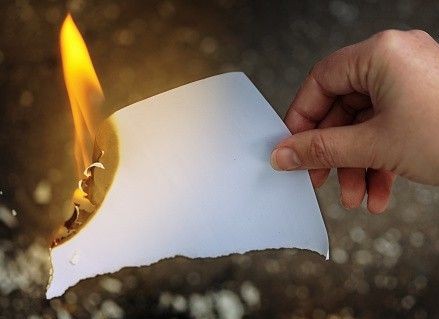
At the end of 2025, I tried the 12 Magical Nights Ritual- which is an old pagan ritual during Winter Solstice – 13 wishes are written on a small piece of paper, these do need to be things that you can achieve by yourself. These are burnt over 12 days. Starting in December and ending in January. On the last day the remaining piece of paper is the wish you have to set out to make true for that year. Mine was to write a book! I have been saying I would write one for a while, so perhaps it’s now the time. I have left it on my pinboard as a reminder.
I also ate 12 grapes under my breakfast bar- in lieu of a table- I don’t think I am alone in this as Instagram was flooded with posts. I don’t know if I will have 12 months of good luck but it was a silly and fun way to end a year and start another. (Although it’s best not to drink a very dry Champagne at the same time as eating grapes, for several reasons)
I found, whilst having a declutter some printed sheets of blogposts written in 2011. It’s surprizing to find that the topics are as relevant today as they were then. Over the next few weeks I am going to start posting these and I hope these will be of some interest and help. I am having to go old school as they’re not saved to file and have to be re-typed.
Last week it was National Happiness Day. (It does always appear to be the national day of something or other) This got me thinking a bit about what is happiness exactly? We use this word all the time. We often ask ourselves and others are you happy? Many people see “contentedness” and “happiness” as one and the same. In some ways they are similar. When you’re happy, it’s a state of being, influenced by a number of factors, including contentedness.
Happiness- Good fortune or luck in life or in a particular affair. Success- prosperity. The state of pleasurable content of mind which results from success or the attainment of what is considered good. Oxford Dictionary
Does this mean if you are not successful and haven’t acquired all that you want, you can’t be happy? What do we really need to be happy and is this different for different people? We think, “I’ll be happy when I get married” or “I’ll be more satisfied at work when I get a promotion.” So, convinced are we, that all will be great, when we buy that luxury car or go on a dream holiday. The truth is that a feeling of happiness can be created right now, regardless of our circumstances.
Happiness is an emotion and this can be short- lived, it comes and goes. So, if we are focusing on happiness alone this can lead to a constant pursuit of external validation. In the Western world we are obsessed about our happiness, but in many ancient cultures they don’t even have a word for happiness and focus instead on contentment.
Chokkshay- is the word used by a group of Nomads in the Himalayas. This translates as The Knowledge of Enough. For many ancient cultures it is seen as right now, right here, everything is perfect as it is. Too often, we get so entrenched in our busy lives that we don’t even notice whats in the now. When we finally come up for air, we focus more on the past or the future, rather than the present.
Contentment- comes from the Latin word of Contentus- which means to hold together intact or to be whole. Contentment is a mindset which stems from accepting things just as they are, including your messy, imperfect self.
Having ones desire bound by what one has. Not disturbed by the desire of anything more or anything different. Satisfied as to reprise. Oxford Dictionary
Contentment is an attitude or state of mind influenced by both external and internal factors and can be longer-lasting. It doesn’t mean not having goals and dreams but about not been unhappy with where you are now. It’s a mindset. People feel discontentment because they think something is lacking in their lives, or they wish that things were different. Contentedness, on the other hand, is a matter of being satisfied with what you have. It focuses on what you have already. You can choose to be content. (Perhaps if you if you choose to be content, you will be happy).
Sometimes people cannot achieve happiness with what they have, even if they have the financial means to provide all the luxury you could desire. Many very wealthy and successful people find themselves unhappy. Seeking external validation is always going to be outside of our control. To gain a sense of satisfaction in our current life is a more sustainable goal. ( If at times harder to achieve). A common fallacy is that material things and personal achievements increase happiness but that’s just not true. The opposite is true, getting more stuff can make us feel worse or lead to wanting even more stuff! A similar effect happens when we base our happiness on personal or professional goals. Celebrities who have every accolade they could ever want, can still feel lost and miserable.
How can we be more content? If we learnt to be more content with the people in our life’s and have a more positive attitude this almost always leads to more harmony. Discontented people tend to be complainers, or grumpy, or negative. That leads understandably to problems both at home, work and in relationships in general.
Determining exactly why your job or your relationship or your physical appearance is making you discontent, can be helpful. As living in unresolved unhappiness only keeps us in the past, dealing with things we can’t change, and makes it hard to move on to better times. External factors such as financial stress, relationship issues, or health problems can make it difficult to find contentment, as these challenges can make life feel hopeless. But by taking the time to appreciate life and the people in your life and learning to enjoy the simple things this can make you feel better or at least that it’s not all bad.
Finding activities that offer a healthy distraction from your feelings of discontentment and frustration do help when things are overwhelming. Gardening or tending plants , listening to music or reading a book all can be enjoyable. I started blogging during a difficult period in my life. And journaling can be a really helpful tool in moving through any discontentment.
Mindfulness this is a type of meditation in which you focus on being intensely aware of what you’re sensing and feeling in the moment, without interpretation or judgment. Practicing mindfulness involves breathing methods, guided imagery, and other practices to relax the body and mind and help reduce stress. I have some YouTube Videos that I watch and there are quite a few books and information online to explain in greater detail.
Take that first step toward happiness and Contentment. Doing so will be a gift that keep giving back to you for the rest of your life. Count your blessings and smile.
I found this article in the Guardian a year ago and I think its an important subject to think about and talk about, particularly as we start to age.
I don’t really regard myself as sporty. Certainly, at school I wasn’t, and often tried to get out of games lessons. I swam a bit as a child and still do when I can, although I prefer swimming when the weather is warmer. I walk as much as I can and practice yoga and have been known to go to a gym once in a while. But is this enough?
Which sports are the best for you and does age make that much difference? Are there ages at which certain sports can have more of an impact on your body?
” Initiatives from Sport England show one factor is key- enjoyment. That can come from the environment, camaraderie or friendship as much as the sport itself. What’s important is to find your niche. The thing you enjoy.” Professor John Brewer
A lot of emphasise is put on winning but does sport have to be competitive? If you are never going to be good enough to play at Wimbledon does that meant you can’t enjoy a few games of tennis at your local park? If a sport gets your endorphins flowing, it’s right for you, whatever age you take it up. Matt Rogan and Kerry Potter’s book All to Play For- writes about Competitive sport may be for the few, but play is for everyone.” Wise words indeed.
Park Play runs free two-hour community play sessions on Saturday mornings in parks across England. Plans are afoot to expand Park Play into Scotland.
We all need more play in our live. Play is a fun, informal, varied, social activity with no particular goal. It’s inclusive and can reach those who don’t think of themselves as sporty.” Rick Jenner,Park Play
Our life’s are busy with work and family commitments particularly for women. And sometimes taking time for exercise falls by the wayside.“In the depths of caring responsibilities, you can feel guilty about taking time out for yourself. The answer is exercise that involves as little faff as possible” says Sports Psychologist Dr Josie Perry.
Today there’s a big selection of online classes, often for a low cost or even free. Some morning and afternoon TV shows feature sessions involving wonderful celebrities like Joe Wicks. Exercise can help to boost cognitive and mental health. Doing something that involves all the family can be fun as well as beneficial to health and well-being.
As we start to age, getting regular exercise can make a difference in the later years. Advice for the over-50s is usually for low- impact activities such as cycling or swimming. But fitness experts are saying weight-bearing activities are crucial, because as we age, muscle mass declines and with it goes strength and eventually, the ability to perform basic tasks. While weight-lifting can conjury up unachievable images for most of us. Mimi Bines, who coaches at women-only gym Lift Studio LDN says “I’ve been training for 10 years and you probably can’t tell! And it’s a fact that older people who lift weights have better bone density than people a lot younger. For women in particular, it’s great to learn performance-based skills after years of weight loss being the only goal.”
YouTube has loads of free tutorials, if you don’t want to go to a gym or find this too costly. I have some light hand-weights and a Kettlebell, these did take a bit of getting used to, but starting slowly, a few times a week as been shown in studies to rebuild muscle tissue in people from ages 50 to 90.
Between the ages of 65 and 74, sedentary time in men and women increases to 10 hours a day. Although some active people will continue to enjoy running and cycling into their 60s, taking up a whole new sport can be daunting for some in later life. Which is quite understandable.
“It’s really important to do something that involves a bit of impact. Though too much can cause problems, higher-impact activities can help maintain bone density. I’d suggest brisk walking uphill and downhill.” Professor John Brewer
Exercise is particularly important to retain strength. If you lose the strength to get out of a chair or bed or to climb the stairs, you start to lose your independence and could even fall which could result in injures. Age UK runs classes around the country, including Pilates and yoga, dance and Tai Chi. It’s never too late to take up some sort of sport or activity. A recent study with an average age of 82, found that the 10% with the least daily physical activity were more than twice as likely to develop Alzheimer’s as the 10% with the most daily physical activity.
“Cardiovascular and strength fitness can help you retain independence, potentially live longer, but also, importantly, have a better quality of life. What’s more, repetitive learning of a new skill can stimulate brain cells, whatever your age.” Sports scientist Professor John Brewer
So, just by adding a small amount of activity to your life this can have an impact particularity in the aging process. As well as been fun!
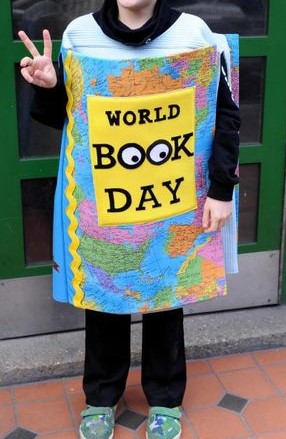
Last week it was World Book Day, this provides the wonderful opportunity to focus on reading for pleasure and supporting children’s autonomy in book choice, and encourages them to read which brings a huge range of benefits to their life’s.
The charity’s mission is to promote reading for pleasure and offers every child and young person the opportunity to have a book of their own by issuing book tokens. Seeing children dress up as their favourite book characters is just lovely.
Reports have shown how World Book Day introduces children into the world of books and reading by helping all children become book owners, many for the first time, and by supporting a variety of fun activities and experiences essential for building life-long readers.
I come from a family of readers and have loved books from being very young. It’s something we take for granted today. But it’s not that long ago in our history that only the wealthy owned books and many people couldn’t read. Before the start of Public Libraries there were very few options for working-class people.
The Education Act passed in 1880 made attending school compulsory for children between the ages of 5 to 10, however many low-income family sent their children to work rather than to school. And it proved to be impossible to enforce school attendance.
Some industrialists and philanthropists did try to find solutions. Helping to fund free libraries or often affordable ways to read.
The Boots Book- Lovers Library was started in 1898 and run by Boots the Chemist. Florence Boot’s parents had run a book shop and she wanted to find a way that working- class people had access to books. This didn’t close until 1966, when The Public Libraries and Museums act was passed in 1964 which required councils to provide free public libraries.
Andrew Carnegie a Scottish/ American industrialist funded the construction of the Ilkley Town Hall, Free Library, and Assembly Hall, which were built between 1906 and 1908. It was to be financed from £10,000 on a 30-year loan and £3,000 from Carnegie. Today this still remains serving the local community and I hope it continues to. As our Local Libraries offer an invaluable service to the community, offering a space to meet and provide free training and computers to use.
I hope you do find a few hours a day, a week or even once a month to pick up an read a book.
I saved an article from the Guardian about cost-cutting in the manufacturing process in the fashion industry which is leading to clothing which is less comfortable and durable This is a subject matter very close to my heart and I have written about this before.
“Fast fashion has normalised cheaper methods and fabrics. As we enter a third decade of ultra-fast production where cost-cutting is favoured over dressmaking and tailoring, we are at risk of losing these skills altogether”
Clare Press- Host of the Wardrobe Crisis podcast
The article talks about mass production and synthetic materials been so pervasive it’s increasingly difficult to buy well-made clothes, no matter how much you are willing to spend. Having sold clothes all my life, I fully agree that even at the higher- end of the market, the quality of both the fabric and construction has declined noticeably in the last few decades.
“I could geek out all day long about what you can’t find any more, quality pieces do exist but their markers are so rare, you have to know what you’re looking for. It starts with the cloth, of course. From the weave to the yarn to the dyeing process. It’s the real technical aspects of cloth that make it look and feel good. Quality materials should have an even finish and substantive weight. They should also bounce back when rubbed between your fingers or stretched apart”
Susan Dimasi, founder and designer of Material by Product
Dimasi prefers fibres like wool and silk. She says they have a “natural intelligence” that makes them better to wear because they thermoregulate and don’t need to be washed frequently. I have always personally been an advocate of natural fibres rather than man-made ones. (Even before we realised, these are made of plastic and the dreadful consequences this causes) Just the feel and handle of a piece of woollen or silk cloth is so much better than the cheaper alternative.
In 1975, fabrics derived from fossil fuels like Polyester, Nylon and Acrylic represented only 30% of the global fibre market. In 2021 this figure was 64%. Whereas wool was just 1% of the market. The British Wool Board Champions British wool and the farmers who produce this natural fibre, whilst promoting every aspect of wool production and usage. They do a terrific job and have the royal seal of approval as King Charles has always been a strong advocate. But there is a long way to go.
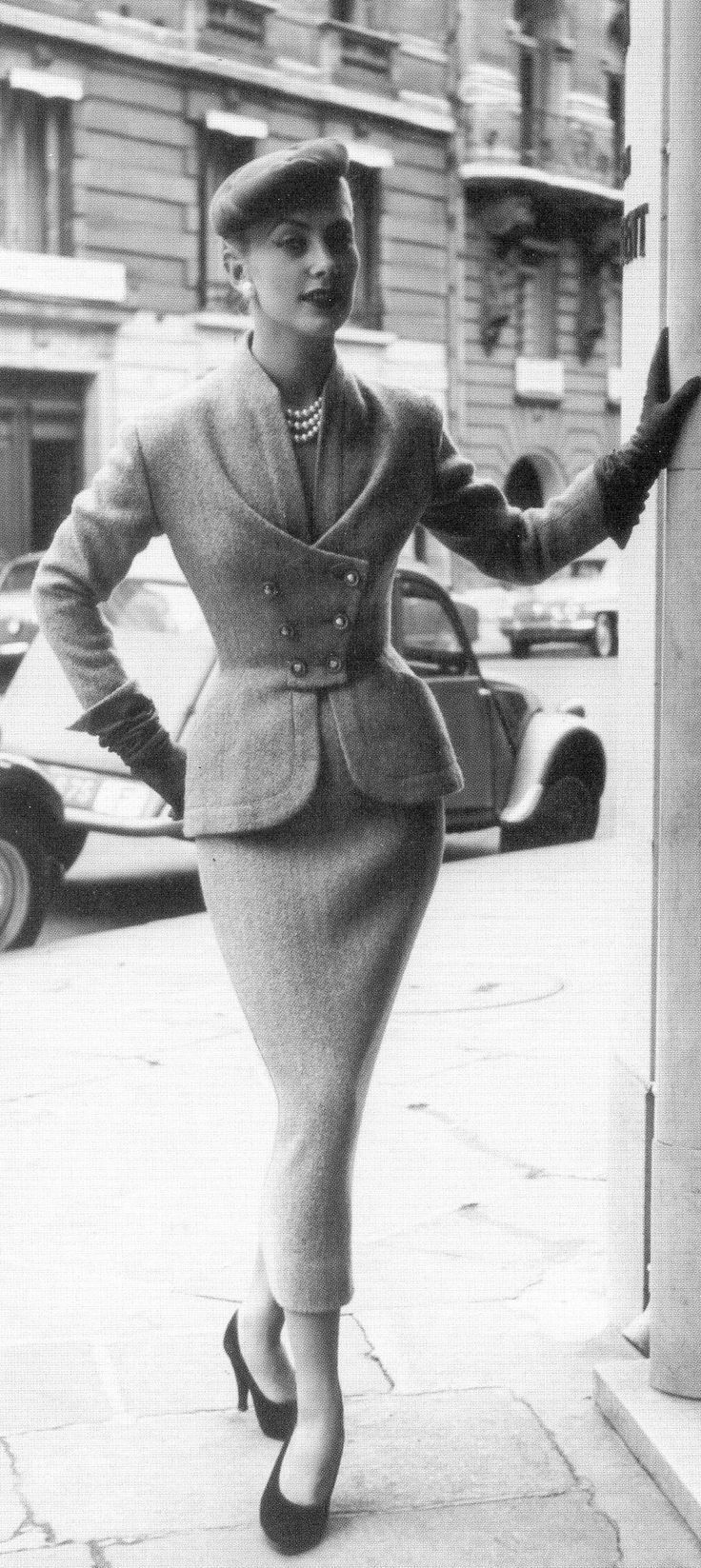
I have always loved vintage fashion and you can’t beat a nice frock; Silk crepe and chiffon tea dresses and silk satin evening dress make me go weak at the knees. (And don’t go there with internal binding and French seams, as beautiful inside as outside) These garments are still wonderful decades on and many well-dressed celebrities go Vintage for Red carpet dressing. The way the fabric moves is stunning, just look at classic movies and footage of couture shows.
Today, even some very expensive designer collections are been produced in inferior fabrics as well being more poorly constructed. There has a large increase in the cost of natural fibres but surely the price tag does cover this? Perhaps if Fashion Houses used less money on their shows and advertising budgets and spent more on the actual clothing itself?
As a design student, I was trained to pattern- cut, so I do understand the principals of how something should fit. When cutting patterns an ease of movement should be added soclothes move with our bodiesrather that restricting our movement. There should be extra fabric in the seams so they can be let out if required. In order to save money these have been reduced to the bare minimal, so garments can’t be adjusted if required.
I was watching on Instagram a video of someone buying an expensive classic tweed jacket. The fit at the back was just dreadful, the sale-person used the old retailing trick of adding a belt, to make the jacket fit better. In the past tailored garments actually fitted without the need of a belt. Why don’t they today?
Another one of my pet hates is poor quality linings or a lack of linings!Traditionally, a lining in a garment serves several purposes. The first was to reinforce. A lined garment is stronger and holds its shape and gives a better silhouette. The second is to prevent the outer material from showing signs of wear.And finally, it keeps the outer garment clean and so you don’t have to clean it as often. All very good reasons for adding a lining.
“Lining is really important in the back of the skirt because if you sit down, it helps the skirt not crease, it also helps you slip your arm through the sleeve of a jacket and makes the garment hang better on the body.”
Susan Dimasi, founder and designer of Material by Product
And why does nothing have a pocket! Again, it’s about reducing costs. What could be nicer than having a skirt or dress with pockets and trousers with deep pockets that don’t develop holes due to using unsuitable fabrics. I bought a lovely dress last year from Community Clothing which has really deep pockets as well as been well-made. So it can be done.
As for pattern- matching a print or stripe this takes more time and requires more fabric. But does look so much better on the eye. I don’t sew that much at the moment, but I always match up a print when I do as it’s totally worth the extra effort.
I think our ancestors, who could sew beautifully in many cases, would be shocked at how poor modern garment construction is today. Clothes used to be sold second and third-hand and lasted for years. Some companies sell clothes that often do not survive the first wash and will be thrown away after only a few wears. It’s hardly progress!
Our disposable view of clothing has to change, we need to have clothing which lasts longer. If it also fits better and is more comfortable to wear that’s a win-win situation.
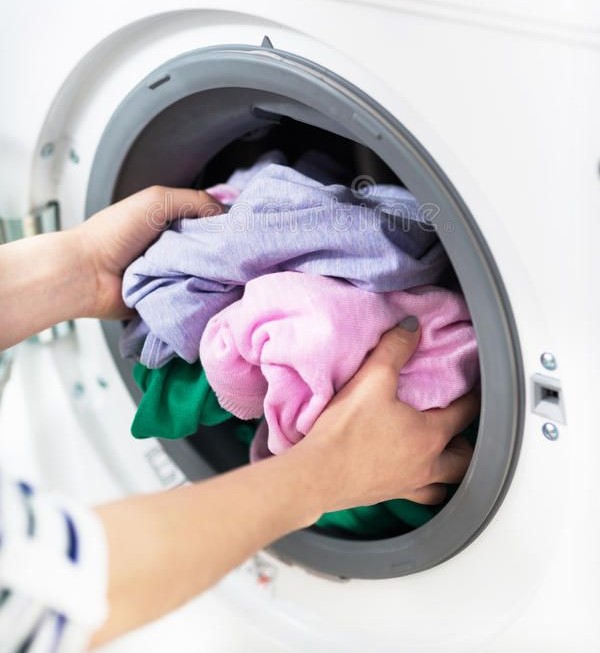
There’s a growing amount of people who believe in washing clothes less or not at all, even some well-known celebrities have announced that they don’t wash their clothes that frequently. Others are re-thinking their washing habits due to concerns for the environment when washing man-made fibres like polyester and the rising costs of energy bills.
I found this article (By Matilda Welin) last year which was very interesting and would like to share it with you. My mother has always said that people wash their clothes far too much and it shortens their life span. We had to change from our uniform when we came home from School so some items could be re-worn the next day. I still to a certain extent do this now. I always change my work clothes straightaway on coming home.
Wearing something for a few hours then washing it is a fairly modern concept. I remember when my teenage nieces wore 3 vests together with skinny jeans then would put them in the wash basket after one wear, my brother- in- law used to then take them out and put them back in the drawer. (Unbeknown to them) I suspect this is a familiar tale.
“One of the worst things that you can do to a garment, in terms of its durability, is wash it. During a wash garments can tear, shrink and lose colour”
Mark Sumner, a lecturer in sustainable fashion at the University of Leeds.
Sumner studies how microfibres from household laundry end up in marine animals. While he says reducing the frequency of our clothes washing is the right choice for the environment, he doesn’t advocate a complete washing machine ban. We don’t want people to think that they can’t wash stuff because they’re destroying the planet. It’s about trying to get the balance right. Washing clothes is important for medical and hygiene reasons, for example for people suffering from eczema who are trying to avoid irritation caused when our natural skin bacteria multiply inside our clothing. It’s also important for people’s self-esteem to not feel embarrassed about their clothes because they’re dirty or smelly”.
Not washing your clothes can be seen as poor hygiene. Certainly underwear, socks, tights and items worn close to the body would require more frequent washing than jeans or knitwear. But have we become too clean?
Designer Stella McCartney caused headlines in 2019 by detailing her low-clothes-cleaning habits. “Basically, in life, rule of thumb, if you don’t absolutely have to clean anything, don’t clean it. I wouldn’t change my bra every day and I don’t just chuck stuff into a washing machine because it’s been worn. I am incredibly hygienic myself, but I’m not a fan of dry cleaning or any cleaning, really.”
The Indigo Invitational invites people from across the world to wear the same pair of raw denim jeans for a year. This is the world’s largest and most-inclusive raw denim fading competition and has been going since 2019. Giving you the chance to connect with and compete against the world’s best denim faders. Since denim becomes softer when it’s soapy and wet, one of the keys to achieving high-contrast patterns is to avoid washing them. More than nine out of 10 participants delay the first wash of their trousers until they have been worn 150 or 200 times. A few of the raw denim wearers go even further, adopting a never-wash philosophy. Instead of using a washing machine, raw denim wearers learnt other ways to care for their garments, like exposing them to UV sun rays or just airing them overnight.
For Bryan Szabo, the organizer, the low-wash habit began when he bought his first pair of raw denim jeans in 2010. Travelling from his native Canada to Europe on a six-month trip. In part due to the lack of facilities, he never washed his jeans. ( Although he assures us he now does wash his jeans occasionally)
“It was a quirk about me that I had these stinky jeans, they smelled awful. My jeans would, be in, like, a pile on the floor at the end of the bed. You walked into the room and you could smell them”
Mac Bishop, founder of clothes company Wool & Prince when he started promoting his women’s brand, Wool &. He felt that centuries of sexist laundry advertising meant women would be less responsive to the idea of not washing their clothes and research backed him up, showing that, with women, environmentalism was a more effective reason to give for washing clothes less. The Wool& brand sells merino wool dresses with the help of a “challenge” where customers wear the same dress every day for 100 days. I am not too sure what I think about that, but I do know that pure wool garments particularly cashmere shouldn’t be washed too much. (The rails in Charity shops of over-washed knitwear backs this up) I always wear a washable layer under my sweaters and air the garment overnight. So far no one has commented on the smell!
This subject will always divide people. Some people will choose to wash clothes more than others and it is a personal choice. However, by all making some small changes in our washing patterns this could have a huge impact on the environment as well as clothing lasting longer.
So, it must be worth trying to make a small change!
I came across this an article earlier on in the year in the Independent. I found it interesting because it rang true of my own experiences. Home-Making and Crafts are very much in the public eye, both on TV programmes and in the social media. Whilst I am a great fan of promoting these, it does become slightly different when this is a way to make a living. I set up a craft- based design business in 2003, which I finally closed in 2022. (Although my Esty shop is technically still open) Now, I don’t regret my business one bit. I didn’t make much money and in truth as long as I didn’t lose great amounts of money, that was just fine.
Originally, I quit my full-time job, however my very supportive boss let me return to work part-time so I could pay my bills whilst my new venture got going. In truth, I continued to have paid employment whilst running my own business ,which meant I worked pretty much all the time. Although, I did love what I was doing and nothing compares to producing an object by hand. But this wasn’t the “career dream” I had when I started up.
Now it seems that more and more folk in the UK are being convinced to ‘become their own boss’ and use their personal interests and hobbies to make money as a side hustle or a main event. Which sounds like a wonderful idea and it’s certainly a seductive ideology. I would never discourage anyone to have their own business, but do consider that you have to earn enough money to live and there’s is a huge difference when a creative outlet and activities are not purely for pleasure. When hobbies become side -hustles everything becomes about the bottom line and about turning a profit. The idea that something beautiful only has value once it’s been sold can really makes you question your worth as a maker.
With Facebook marketplace, TikTok, Instagram and Etsy, to name a few there are many avenues to sell and promote your goods and personal brand. It’s easy and affordable to produce a slick website. Perhaps some people truly do relish this side -hustle lifestyle. Yet, in an ever-expanding market of new style entrepreneur hobbyists, I can’t help wondering what’s happened to actual hobbies. It does seem like the side hustle culture has killed them off. Are hobbies truly a thing of the past? On a recent Pinterest search for crafts, there were more pins about selling than making crafts.
I don’t make very much now, even though it would be for my own pleasure, my mindset over the years has shifted to the costs, the time involved in making something and its saleability rather than just making for the enjoyment and achievement of making. I stopped gaining enjoyment from my making. Which if you thing about it is really quite sad.
“If we think of hobbies as activities we voluntarily undertake during our free time, hobbies can be seen as an important part of our identity.” Eloise Skinner -author and psychotherapist
I personally do a job I love, but I am very fortunate in this as many people don’t. For these people the time spent outside work partaking in hobbies can be an important part of reminding them who they are what makes them feel truly fulfilled. Hobbies can allow us to step outside our everyday routines and engage in something providing a different experience as well as being fun. There is a joy in making things for the people you love or even just for yourself.
In achieving a work-life balance this is vital. Particularly at a time when work is increasingly digitally driven and challenging. We are working longer hours and harder than ever and leisure time at a premium.
One of the benefits of a hobby is its flexibility, the chance to try something different this may work or not, that doesn’t matter, it’s the doing as much as the end results. I remember been told as a design student the best results come from play. When you begin to look at the hobby as delivering a certain outcome, you become less immersed in the experience and more focused on output. Instead, of simply enjoying the activity in itself, you might become detached, in the same way as doing an essential if boring work task. The pressure of the business can kill the love of making stone cold and you can even begin to resent what had previously been a passion. So, proceed with caution, if you are considering this path.
The challenges of running a successful at-home business are not for the weak-hearted. The internet and social media culture are full of success stories of get-rich-quick businesses that make it seem like everyone with a skill could be raking it in. But for as many success stories there are far more failures.
Online platforms like Etsy make it easier than ever to make money from hobbies. But how many people are actually turning a profit? I have an Esty shop, which resulting in sales but it’s a hugely competitive market as so many people are trying to sell their wares at the same time.
One of the biggest challenges I found when making things was the high costs in producing something, I have always tried to use good quality, natural raw materials, which doesn’t come cheap (and costs continue to increase) and there can be many hours involved in producing something, which has to be factored into the price, although I found that often there was little respect for this kind of labour and the skill involved.
So, should you make money from your hobbies? Well, that’s up to you! But once you try to make money, then this becomes work not a hobby, so you may well then have to find a new hobby!
Several years ago, I wrote a blog on healing and self-help books. I am not too sure if many people read it but by actually writing this blog it helped to heal me during a challenging time in my life.
During a recent sort out, I don’t just write about Marie Kondo, I found copies of some of the blogposts I had written. On reading these I wondered if I had ever put into practice any of the things I had blogged about?
We use the phrase “Make a Wish” when blowing out candles on Birthday cakes, we throw coins into wishing wells and fountains whilst making a wish, make wishes while blowing on dandelions and make wishes on the stars. But do these random wishes ever come true or are they instantly forgotten?
One of the books I enjoyed reading and talked about was 5 Wishes by Gay Hendricks. Just to give you a brief history on Gay, he is a psychologist, writer and personal growth practitioner. With his wife Kathlyn he has written around 50 books often focusing on positive relationships and attracting genuine love. Through the Hendricks institute they teach seminars on core skills for conscious living and conscious loving. Their work has touched the life’s of millions of people around the world.
I have read many of his books and what I think what was so special about this short book was that it was poignant with a strong message and it made me think about what I actually wanted from my life. Its not about just focusing on something but putting these goals into action. By writing down your goals it starts the process. But its not just about thinking there does have to be some action.
To give a brief synopsis: (as I would encourage you to read the book yourself)
An encounter at a party changed Gay Hendricks forever. A stranger asked him to imagine himself on his deathbed and to consider the question “was your life a complete success? If not, then what would be the things you had wished had happened” As a single man at the time Gay said his deepest wish was to have a loving, lasting relationship with a woman. The stranger then said “turn this wish into a goal and put it into the present tense” Gay came up with this goal I enjoy a happy relationship with a woman I adore and who adores me. Having had a wonderfully happy marriage of 40 years to date, it is fair to say he achieved his goal.
Now at first glance this might appear a bit simplistic but the focus of the book is to discover what your personal five wishes would be to lead a fulfilled life.
I wrote my Five Wishes and put them at the front of a journal/scrapbook that I frequently look at. I haven’t achieved them in full yet, but I certainly have achieved aspects of them and are still making steady progress in moving in the correct direction.
I think this wonderfully little book helps to point you to your ultimate goals and when you actually focus on what you truly want, you maybe surprised by what you discover about yourself.
How many of us have something we haven’t worn in years? This has been my mum’s mantra for years, despite my attempts to encourage her to have a good sort out.
It could be pieces that at one point in time (when you were younger and thinner) you loved to wear or items that were very expensive, in some cases too much so. Perhaps you are going to slim into it, or are keeping it in case you need it in the future.
Sometimes we keep things that can be passed onto to a younger generation. As a design student, I had some beautiful Italian shoes ( Prada of their day) from my grandmothers friend, which started my love of good shoes. I wore my grandfather’s classic Crombie overcoat every day for ages and which I wish I still had.
There’s something very special about items that can be passed on. Having something of good quality, when its properly looked after, will stay with you for a long time. I don’t ever regret these purchases, but the items I bought for the wrong reasons like sale items or items that weren’t totally right.
Jack Fordham, manager of vintage store the Vault, sees his wardrobe as a collection, much like a collection of books and sees the real value of a garment.
“If I don’t wear it now, I might wear it in 10 years’ time. Holding on to clothes is both sentimental and economical for me”. Jack Fordham
Whilst, I understand this and agree to a certain extent. I always remember a very stylish and fashionable friend telling me, if you wore a look the first time around or even the second time round, be careful not to just look as if you are in a time warp. As, what looks great at 20 or 30 may not start to look quite the same at 40 or 50. Its totally possible to look fashionable at all ages but trying to dress the same as someone 20 years younger doesn’t always work. The ever-youthful Kyle has given away her gold hot pants! I guess knowing what to keep and what to give away to a new home is the key to a great wardrobe, which doesn’t require its own room or spill over into several rooms.
Objects hold memories, items of clothing in particular are like portals to distinct moments of our life’s, they remind us of great nights outs, happy events and holidays. So, don’t hold one to items that have negative memories.
Anna Chiu, from sustainable american label Kamperett values clothes that have a sense of history. In her own design process, she often draws on items inherited from her grandmother. I have added an image.
“I love that her pieces are so timeless in design and are still in such great shape that they are able to be used well, in multiple lifetimes. Anna Chiu
As we try to become more sustainable in all our practices, clothing been a key area, myself included, this is where our resolve does tend to weaken and garments are held onto often for emotional reasons. I guess the best way to deal with this is to buy what you need and use it now, not for the future or because the price was good. I have been guilty of this myself on numerous occasions but buying something in several different colours never works. I always seem to just wear the first item. As a child when we got new clothes particularly shoes, we always wanted to put them on straight away. I would say that as adults we need to feel the same about what we buy. If your new purchase hangs unworn for a couple of weeks return it, sell it on or give away.
I leave the final words to fashion designer Jason Hewitt.
“I don’t believe in disposable anything, it’s wasteful and places an unnecessary burden on the environment. There are costs in terms of energy and water consumption, shipping, human labour. All these small things add up and go into every garment. So, when you buy something, it needs to outlive the cost of its impact.”
I moved in the Spring of 2022 to a small town with 14,000 or so residents. Coincidently, it had just been named the best place to live in the UK. In truth, I tend to take these things with a pinch of salt, however in this case I would agree. I found a strong sense of local community, often missing in cities and larger towns, friendly and welcoming with the feeling of everyone being connected. Great for someone who had relocated to a new area like me, without knowing a soul. Just a warm greeting and a short chat in the morning on the way to work can make a huge difference to anyone’s day.
In the past few years, during Covid some real bonds had formed between neighbours looking out for each other and family members finding ways to keep in touch, however difficult. As we move through 2023 many people are still thinking of ways to help others. We have seen a lot of changes, from rising inflation to the ongoing costs of living, for many times are getting harder, so it’s natural that more of us want to try to help those who live close by and the places they live in better. Small things can have a big impact.
We hear the word Communitya lot right now: from small locally run charities and groups to larger social business enterprises such as Community Clothing. (Founded by designer Patrick Grant,to provide affordable clothing made in British factories which has been a huge support to the local communities) But, all ventures, large, small, ambitious or modest can be of benefit.
But, what does it actually mean? I had to do some research as I wasn’t fully sure.
The most general translation appears to be: a group of people who share a common way of life which is expressed in shared beliefs, goals, values, purpose, responsibilities and communication.
You can define a community by the shared attributes of the people in it and/or by the strength of the connections among them. A culture of taking care of each other while accepting people’s differences. I think that been accepted is important. The sense of being part of something larger than we are is well- known as a source of good feeling. A bit like joining a team. Much more can be achieved in a group than by a solo pursuit.
Why are communities so important? They are often an important source of social connection and a sense of belonging. Our communities shape our understanding of others. Participating in a community bonded by attitudes, values, and goals can be an essential ingredient to enjoying a fulfilling life.
6 benefits of community and connection in challenging times:
Vital social connection and engagement.
Community belonging boosts physical and mental health.
Resilient communities come together and adapt.
Never being alone.
Easy access to well-balanced, nutritious meals.
Assuring safety and well-being.
Charities, groups and volunteers are going that extra mile in supporting each other and those in need. Community Foundations across the UK tackle the issue of elderly isolation by funding small, local charities and community groups who do wonderful work to help older people to cope with numerous challenges that life throws their way and to help them maintain social contact in their local community.
What can we do. Volunteering can be both rewarding and significant. Should you want to help people who are local to you, take a look at some of the organisations in your area. I have been surprised how many organisations there are local to me. There are many different ways to offer your services in a volunteering capacity.
Showing your support for local enterprises is a great way to help your local area by giving back to the local economy. One a simple level, just taking the time to acknowledge others, kindness and a smile go a long way!