Happiness or Contentment?

Last week it was National Happiness Day. (It does always appear to be the national day of something or other) This got me thinking a bit about what is happiness exactly? We use this word all the time. We often ask ourselves and others are you happy? Many people see “contentedness” and “happiness” as one and the same. In some ways they are similar. When you’re happy, it’s a state of being, influenced by a number of factors, including contentedness.

Happiness- Good fortune or luck in life or in a particular affair. Success- prosperity. The state of pleasurable content of mind which results from success or the attainment of what is considered good. Oxford Dictionary

Does this mean if you are not successful and haven’t acquired all that you want, you can’t be happy? What do we really need to be happy and is this different for different people? We think, “I’ll be happy when I get married” or “I’ll be more satisfied at work when I get a promotion.” So, convinced are we, that all will be great, when we buy that luxury car or go on a dream holiday. The truth is that a feeling of happiness can be created right now, regardless of our circumstances.

Happiness is an emotion and this can be short- lived, it comes and goes. So, if we are focusing on happiness alone this can lead to a constant pursuit of external validation. In the Western world we are obsessed about our happiness, but in many ancient cultures they don’t even have a word for happiness and focus instead on contentment.

Chokkshay- is the word used by a group of Nomads in the Himalayas. This translates as The Knowledge of Enough. For many ancient cultures it is seen as right now, right here, everything is perfect as it is. Too often, we get so entrenched in our busy lives that we don’t even notice whats in the now. When we finally come up for air, we focus more on the past or the future, rather than the present.

Contentment- comes from the Latin word of Contentus- which means to hold together intact or to be whole. Contentment is a mindset which stems from accepting things just as they are, including your messy, imperfect self.

Having ones desire bound by what one has. Not disturbed by the desire of anything more or anything different. Satisfied as to reprise. Oxford Dictionary

Contentment is an attitude or state of mind influenced by both external and internal factors and can be longer-lasting. It doesn’t mean not having goals and dreams but about not been unhappy with where you are now. It’s a mindset. People feel discontentment because they think something is lacking in their lives, or they wish that things were different. Contentedness, on the other hand, is a matter of being satisfied with what you have. It focuses on what you have already. You can choose to be content. (Perhaps if you if you choose to be content, you will be happy).

Sometimes people cannot achieve happiness with what they have, even if they have the financial means to provide all the luxury you could desire. Many very wealthy and successful people find themselves unhappy. Seeking external validation is always going to be outside of our control. To gain a sense of satisfaction in our current life is a more sustainable goal. ( If at times harder to achieve). A common fallacy is that material things and personal achievements increase happiness but that’s just not true. The opposite is true, getting more stuff can make us feel worse or lead to wanting even more stuff!  A similar effect happens when we base our happiness on personal or professional goals. Celebrities who have every accolade they could ever want, can still feel lost and miserable.

How can we be more content? If we learnt to be more content with the people in our life’s and have a more positive attitude this almost always leads to more harmony. Discontented people tend to be complainers, or grumpy, or negative. That leads understandably to problems both at home, work and in relationships in general.

Determining exactly why your job or your relationship or your physical appearance is making you discontent, can be helpful. As living in unresolved unhappiness only keeps us in the past, dealing with things we can’t change, and makes it hard to move on to better times. External factors such as financial stress, relationship issues, or health problems can make it difficult to find contentment, as these challenges can make life feel hopeless. But by taking the time to appreciate life and the people in your life and learning to enjoy the simple things this can make you feel better or at least that it’s not all bad.

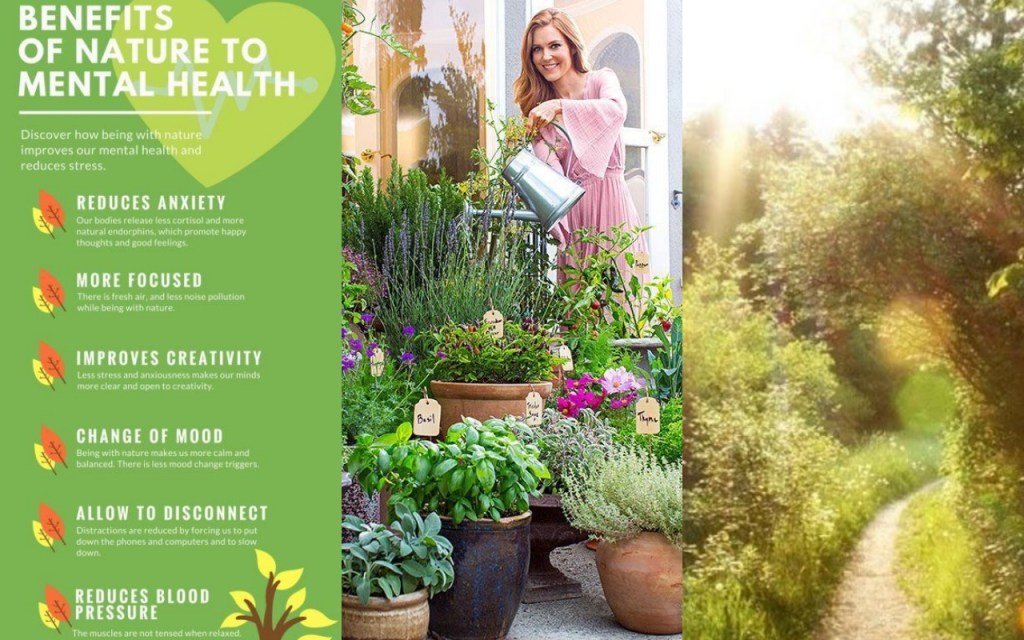
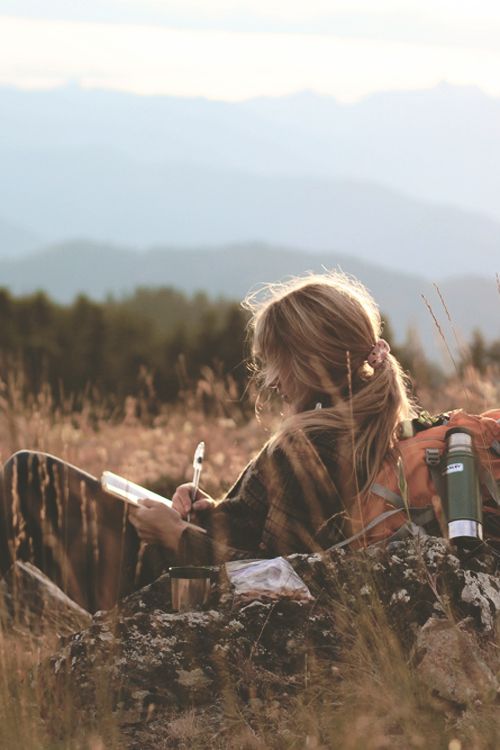
Finding activities that offer a healthy distraction from your feelings of discontentment and frustration do help when things are overwhelming. Gardening or tending plants , listening to music or reading a book all can be enjoyable. I started blogging during a difficult period in my life. And journaling can be a really helpful tool in moving through any discontentment.

Mindfulness this is a type of meditation in which you focus on being intensely aware of what you’re sensing and feeling in the moment, without interpretation or judgment. Practicing mindfulness involves breathing methods, guided imagery, and other practices to relax the body and mind and help reduce stress. I have some YouTube Videos that I watch and there are quite a few books and information online to explain in greater detail.

Take that first step toward happiness and Contentment. Doing so will be a gift that keep giving back to you for the rest of your life. Count your blessings and smile.
Park life

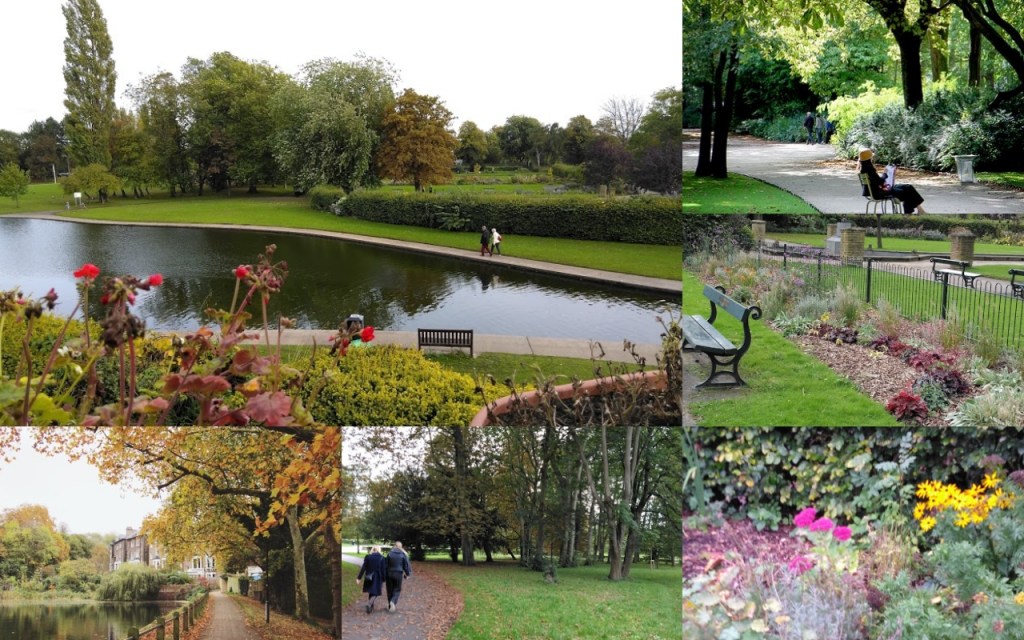
During the last year, many of us have found that what we miss the most are the small things that we took for granted. Going for a walk in or sitting in our local or city park, is something we didn’t give much thought to. But when we were no longer able to do this as our parks were closed, you realized how important these are to our health and wellbeing.  This year’s theme for Mental Awareness Week was Nature, which encouraged going outside, walking in parks, the countryside and forests and been more aware of the beauty of the nature that is all around. Direct exposure to nature has its own benefits on mental health, reducing stress and increasing happiness. And these effects take place almost immediately. A study by Finnish researchers found that ten minutes in a park or green area could tangibly reduce stress.

 Some of my fondest childhood events, were going to the park, with my parents, grandparents or my sister. In fact, many of our childhood memories often happened in parks, as they have a significant impact on the development of children. By providing a free, safe place for families to connect with nature outdoors. Children who spend a significant amount of time in nature also experience better emotional stability and improved mental health. Where, I knew up, I was fortunate to have a small park within walking distance from by home and also some much larger parks, complete with cafes and play areas and sports areas etc in my home city. But many children have no access to a green space.

When I lived in London, sitting in a local park, large or small, and reading a book, or just watching the world around me was my preferred way to spent my days off.  These were often, peaceful, contemplative moments, the sun shone, the sky was blue and I was surrounded by plants, flowers and trees. A perfect antidote to the stress of working in London, the hours spend commuting on dirty tubes and life in general. I lived near Hampstead Heath, which although not a park as such, is a safe, green space to walk, sit or swim. I didn’t have my own garden at the time, so It was one of the few ways I get outside and exercise, as I couldn’t afford to go to a gym. Our open spaces are a powerful weapon in the fight against obesity and ill-health, encouraging us to walk more and to play sports, for free or with a low cost. A sedentary lifestyle can cause a number of health problems.

Access to good-quality, well-maintained public spaces is vital to everyone, as more and more parks close, fewer people have gardens. Where I live, any new building projects are mostly apartment buildings which are packed in closely with no green spaces. Has nothing been learnt about housing requirements? Parks and green areas are crucial to the healthy development in our cities and towns, also making a neighbourhood more enjoyable to walk through and should be a major part of any city planning moving forward. Parks and green spaces benefit everyone in the community. As a place where people are able to make connections and meet new friends. As cities grow, more and more animals find themselves without homes. Parks provide habitat for wildlife. Most importantly, they help to improve the quality of the air we breathe. Even a small increase in the number of parks can make a big difference to air pollution.  Air pollution is an important health concern that can lead to unpleasant symptoms and long-term health issues. This affects all of us and anything that can be done to repair the damage should be done. So, let’s hope that green spaces like parks, are the future and not the past.

To simply enjoy a green and natural environment, what could be better than a park, these are one of my pleasures, I hope they become yours too.  

Nature and Your Mental Heath

During the pandemic, millions of us have experienced a mental health problem, or seen a loved one struggle. If ever, there was a time that your mental health was essential it’s now. The upheaval of the last year, the uncertainty, stress, loneliness and in many cases financial hardship as been difficult for everyone. Depression and Anxiety has been on the increase, quite understandably. While the support networks have disappeared and the support needed just was not out there.

In a recent tweet from the Samaritans, they say: We all have mental health, and it’s just as important to look after as our physical health

In a recent survey of over 500 people severely affected by mental illness, an overwhelming majority of 88% said that discrimination towards people severely affected by mental illness is widespread in England. This is been talked about more but there is still a long way to go. In a way, mental health problems are often invisible in a way that physical health problems are visible. You would openly be asked if your cold was better or had a back injury improved but rarely would a mental health problem be discussed in the same way.

Mental Health Awareness Week 2021(is hosted by the Mental Health Foundation) and takes place from the 10th May to the 16th of May. This year’s theme is nature. They are inviting us to immerse yourselves in the 5 Ways to Wellbeing, while reconnecting with nature across the week. During Mental Health Awareness Week, the Mind community is been asked to speak out and share why fighting for mental health is important to them.

After a year, where we’ve seen more of the four walls in our homes than the great outdoors. It seems the perfect theme as well as a much-needed opportunity to reconnect with nature and the environment. As the nation eases out of lockdown and spring time is starting to bloom, this is a perfect time to reflect on the positive, the beauty and power of nature. To savour the moment, by sitting in your garden, a park or taking a walk. Having a greater awareness of the world around us helps us see the unusual and notice simple pleasures like the changing seasons. To been present to our feelings. It’s time to re-balance our relationship with nature, from forests, to parks and gardens, to window boxes or even house plants. Interacting with nature can enjoyable and beneficial to our mental health and wellbeing.

The benefits of connecting to the environment around us can stimulate our senses, help us to gain a sense of peace which helps our minds rest, whilst improving concentration. New and exciting research is happening all the time that adds to our understanding of how our natural environment affects the health of our bodies and minds. Reflecting on your experiences will help you appreciate what matters to you. To thrive and for nature to thrive around you.

Many people find nature inspires them to create, be it through painting, drawing, photography or writing. Many famous artists and writers attribute their masterpieces to nature.

There is good evidence to, that people who spend time gardening experience a wide range of positive results. An important link has been found between spending time outdoors and how physically active you are.

The world of nature is truly incredible; inspiring, soothing and enchanting. Connecting us to something far bigger.  A true medicine for mental health and a balm for our souls.

Visit the link https://www.mentalhealth.org.uk/campaigns/thriving-with-nature/guide