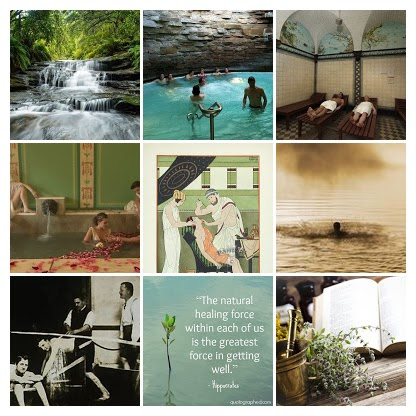
In a year when our lives are once more turned upside down, our health and well-being are at the forefront of our thoughts for the foreseeable future. Our eating and drinking habits have changed accordingly with foodie trends that enhance immunity and keep us healthy of much importance!
So, what will the year ahead deliver more of then? Many of us, including myself, did not follow as healthy a diet, as we could have last year, takeaways and comfort eating was too much of a temptation. So in a New Year we get the chance to try a bit harder to eat a healthier diet! There are a few new-ish trends that can give you a dietary kickstart.
Postbiotics-The latest player in the gut- health game is postbiotics, how are these different to probiotics? Well, postbiotics are the metabolites (or end products) of the fermentation that goes on in the gut by probiotics. They have being studied for anti-inflammatory and antioxidant benefits and may also help bolster the immune system. These are found in some of the same foods that contain probiotics, such as kefir, sauerkraut, sourdough bread and kimchi. The main difference is they’re not alive, so can be used in more ways than live probiotics and even added to our food products.
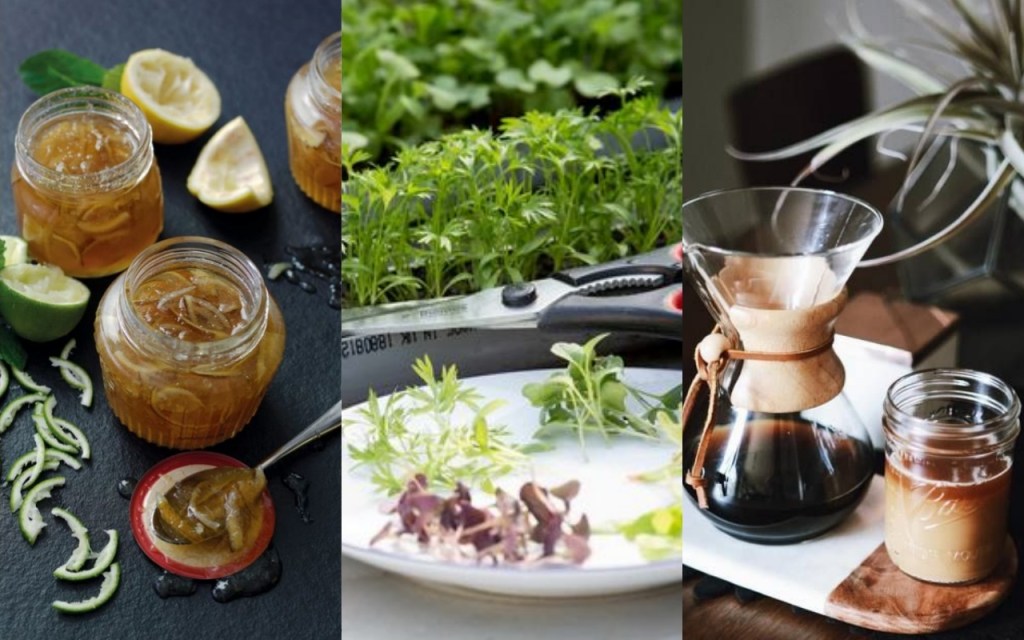
Home Coffee’s-Not always seen as good for you, coffee is having a healthier make-over. As many of us are still working from home and are making our own drinks instead of buying at the local coffee shop, a cup of instant Nescafe just won’t cut it anymore. Recent surveys have found that 45% of respondents were using a new coffee brewing method at home compared to 2019 with a similar amount of people indicating an interest in improving their home- brewing skills. Which Magazine reviewed electrical and hand-held Frothers recently. Consumers have been using more indulgent creamers and syrups. Sales of plant-based creamers rose buy 30% percent in 2019 and oat, rice and soya milk has been produced specially for the coffee market. Younger consumers like to experiment with flavours to replicate healthier custom-takeaway drinks. For a healthier hit try turmeric latte or matcha latte, which are easily made at home. You can also mix and match your favourite spices like cinnamon and ginger and use honey to sweeten your drink.
AI Created Food-Artificial intelligence is helping food companies create things we could have only dreamed of a couple of years ago. In particular in dairy- free and Vegan products that taste just like the real thing. Like a non-dairy milk that behaves like dairy milk (it froths, foams and blends like dairy) but is made from pea protein, cabbage juice, pineapple juice and other plant ingredients.
Micro Greens-These are not exactly new, but consumer appetite for them is at an all-time high and they are mainstreaming. These tiny shoots are the baby counterparts of plants like carrots and broccoli. You may have enjoyed microgreens at a high-end restaurant in the past, but now you can find them at the supermarket. They are not only colourful but loaded with nutrients and can be easily added to salads and smoothies. These can be grown at home, in a garden or on a windowsill. Home- Growing is also trending in 2021.
Kelp– Seaweed has been traditionally used in Japanese, Korean and Chinese cuisine for thousands of years. Nutritionally kelp is a sustainable superfood, offering several minerals, including calcium, and B vitamins in each serving and environmentally it cleans the water by removing the nutrients that cause algae blooms. Added to smoothies and broths, it gives an extra health boost.
Foods That Fight Climate Change– Food production is a significant contributor to climate change, accounting for a quarter of global greenhouse gas emissions. So, our food choices can help to counteract the effects of climate change. Simply swapping meat for plant-based food like beans one day a week can make a huge difference on your personal environmental impact. Locally, organically grown crops like vegetables have a lower carbon footprint. Consuming produce when it’s readily available saves energy from production and transportation costs because it didn’t have to be shipped from a faraway country. So seasonal cooking is the way to go. Better still grow your own!
Home- Made Condiments– As the pandemic stretches on, consumers are missing their favourite restaurant foods and are trying to replicate these flavours at home. This has led to an increased demand for authentic sauces, chutneys, and seasoning blends that home cooks can use to make restaurant- worthy dishes. With so many people stuck at home, they are rediscovering the joys of cooking. Small companies producing: spices and condiments have been a huge pandemic hit and making chutneys at home is also becoming popular as these can be free from additives and artificial colours so are healthier as well as tastier than the usual shop bought.
All of these trending foods can be added to your diet with relative ease and I noticed the move away from strange and wacky, designer foodie trends in favour of simple foods that can actually benefit your health and also that of the planet. What next I wonder?
Veganuary 2021 has had the largest pledge since it’s beginning in 2014. More than 500,000 people signed-up for the 31-day vegan challenge, surpassing the 2020’s total of 400,000. So exactly what is this and who or what is Veganuary?
Inspiring and supporting more than one million people in over 192 countries to try a vegan diet in January. It’s a non-profit organisation encouraging and supporting Veganism. They have worked with businesses to drive up vegan food provision in shops and restaurants, and have made veganism more visible and accessible by working with national and international media. Matthew Glover is the co-founder of Veganuary. After 17 years of working in the window and door industry, his priorities and focus changed when he became vegan in 2011. With a drive to reduce animal suffering, Matthew used his business and marketing skills to launch the Veganuary campaign in 2014 with his partner Jane Land, a former English teacher turned animal campaigner. Today he continues to guide the charity along with a team of very talented and dedicated trustees.
Not just for January, but throughout the whole year, Veganuary encourages and supports people and businesses (large multinational corporations and smaller high-street retailers alike) to move to a plant-based diet as a way of protecting the environment, preventing animal suffering, and improving the health of millions of people. Its website providing: great recipes, interesting articles, workplace challenges and eating guides, as well as helping to fund and support projects.
The UK is now officially the world leader for vegan food launches. Mintel reports that around 16% of new food products released in the UK in 2018 were vegan, which more than doubled the previous years’ output. (Veganuary is cited as being behind this up-swing) In 2020 more than 600 brands, restaurants, and supermarkets promoted the campaign and launched more than 1200 new vegan products and menus in the UK market alone. Products like: Gregg’s Vegan Steak Bake, Pizza Hut’s Pepperoni Pizza, KFC’s Vegan Burger, and Subway’s Meatless Meatball Marinara.
Perhaps the biggest landmark is that British supermarkets have embraced and promoted Veganuary this year more than any other, even advocating the reasons to try a vegan diet. It’s truly game-changing in taking the trend mainstream. As retailers vie with one another to bring out bigger and better vegan products and menus to capitalise on the huge popularity of Veganuary. Now cynic’s could say that, they are simply using it as a marketing opportunity, but I think that would be a bit unfair. As the bastions of the food supply chain, they do know and understand that the most sustainable way forward is plant-focused. And their involvement as well as the endorsement of the medical world has encouraged more people to take up a vegan diet or to at least be more open-minded than previously. Many more people are interested in giving it a go.
Having been a vegetarian on and off since a teenager, I know how difficult it was to find affordable, tasty vegetarian food both in supermarkets and restaurants at times, vegetable lasagne and nut roast been the only uninspiring offering on the menu. Today, the variety is huge and its no longer a take it or leave it attitude to non-meat eaters. It’s quite exciting to see how so many changes have happened!
Aldi has a webpage that not only highlights its plant-based products but also sets out the main reasons to try a vegan diet: caring for animals, staying healthy, being greener and more sustainability. It also features dozens of vegan recipes, tips on vegan swaps and a link to Veganuary’s website. Asda also has a dedicated webpage that explains what a vegan diet is and highlights three of the reasons to try vegan: it’s better for the environment, it could improve your health and it’s delicious! It also features their top vegan product picks and encourages people to sign-up for Veganuary. Tesco has launched its first Veganuary TV and radio ads. It also has a dedicated webpage with recipes, product highlights and tips on making vegan swaps. M&S also releasing its first Veganuary TV and radio ads and produced a 31-day Veganuary meal plan with ideas for making plant-based eating exciting every day of the month. Morrison’s launched a £25 Veganuary Essentials box filled with much-loved vegan favourites to help give your January a kick-start. It also dedicated a Veganuary shopping page on its website featuring all its plant-based products.
As, we come to the end of January, did you try the Vegan diet? If so, I hope you enjoyed it! If not, there is still a whole year to make changes to your diet, not just a single month. So possibly a couple of small changes or baby steps, once a week?
The New Year is often a signal that it’s time for a fresh start and that has never felt more welcome than in 2021. After nearly a year spent staying home, stressing out and comfort-eating, many of us are looking forward to getting more active, healthier, and taking off all those quarantine pounds in the next 12 months. In a year where our lives were turned upside down, our eating and drinking habits changed accordingly and not for the better. And with health at the forefront of our minds for the foreseeable future, foods that enhance immunity and keep us healthy rule the day.
If you type best diets to lose weight into Google, as I did, it will bring up masses of results. Its totally overwhelming and it doesn’t help when there are pages upon pages of conflicting information in-between lots of dodgy science. When you start researching the best ways to lose weight, your head can start spinning with all the different miracle diets. It can be impossible to know which one is the best to try or to avoid!
Many celebrities have been endorsing their personal weight losses, often very extreme diets and social media like Instagram has an army of true believers, who post about how great they feel after giving up carbs, sugar, meat or food on the latest fad diets!
I have to say at this point, that I am not a trained expert, I am like you interested in eating better and losing some unwanted extra weight. I have visited websites, that I hope offer beneficial and safe advice like the NHS website and been watching on TV where nutritionists and doctors have dieters try out the various diets under supervision.
I have tried many diets over the years, some more successful than others. A knee injury has meant I have not been able to exercise, and the lockdown, poor sleeping patterns and less activity has taken its toll. I find myself with some weight to lose! I had been attending some lectures from a nutritionist and had started to learn more about a more balanced diet, which had whetted my interest. I received several great books on healthy eating as well as too much chocolate for Christmas. I will let you know how I get on later. But in the meantime, see below!
The Good
Throughout my research, the diet that came out on top, time and time again was the Mediterranean one. This is less of a diet and more of a healthy eating plan, so the pounds will come off more gradually, however it is easier to stick too and maintain in the future. Longer- standing Diet plans like Weightwatchers are also still giving good results with a moderate eating and exercise plan.
Mediterranean-style diets– Based on the heart-healthy lifestyle of Greece, Italy, Spain, and Portugal. These diets include healthy fats such as avocados, olive oil, nuts, and fish at least twice a week, plenty of beans, fruit, leafy greens, and whole grains, and even a daily glass of red wine. You can eat cheese and red meat only in moderation. This diet’s primary appeal is in its numerous health benefits and its an enjoyable diet compared to some others. On my travels, I lost weight eating this way and was healthier too.
Weight Watchers or WW-This diet company has been around for years with good results and many dieters been able to maintain their lower weight. The updated version is my WW+, after a personal health assessment you are given a colour-coded program that assigns you a certain number of points per day. (Foods are given points based on calories, saturated fat, sugar, and protein) You can eat whatever you want within that range. You can also eat an unlimited number of 0-point foods (most fruits and veggies and lean proteins such as fish, tofu, beans, eggs, and chicken breast. Coaching in groups or one-to one and advice on exercise, sleep and wellbeing is offered, online or by app. Research has found that dieters assigned to WW were more than eight times more likely to lose 10% of their body weight over 6 months than those trying to diet on their own. https://www.weightwatchers.com/uk/
DASH– is an acronym for Dietary Approaches to Stop Hypertension, but it’s not only for people with high blood pressure. As it is also promoted by the National Heart, Lung, and Blood Institute. The DASH diet, is a flexible and balanced eating plan that helps create a heart-healthy eating pattern. This plan borrows elements of the Mediterranean diet, but it’s a very specific eating pattern that’s been highly researched. It recommends specific portions from various food groups, depending on one’s daily calorie needs. The rate of weight loss can be slow, as it’s a sustainable long-term diet. Your daily calorie needs are determined by your age, sex and activity level. A limit is put on sugar and salt. This diet includes: 6 servings of grains daily, 3-4 servings of vegetables, 4 servings of fruit and 2-3 servings of low-fat dairy. Also recommended are 3-4 ounces total per day of lean meat, poultry, or fish, 3-4 servings of nuts, seeds, and legumes per week and 2 servings of fats and oils daily. I haven’t tried this myself, but it has been medically endorsed and the diet books have been best-sellers. https://www.dashdiet.org/
Intermittent Fasting Plan-My nutritionist friend is a great fan of intermittent fasting and is in such great health. As a major trend. It’s claimed to cause weight loss, improve metabolic health and perhaps even extend lifespan. There are a few different ways to do the intermittent fasting plan:
The 16/8 method -Fasting every day for 14–16 hours and restricting your daily eating window to 8–10 hours. Doing this method of fasting can actually be as simple as not eating anything after dinner and skipping breakfast. You can drink water, coffee, and other zero-calorie beverages during the fast, which can help reduce feelings of hunger.
Eat Stop Eat involves a 24-hour fast once or twice per week. For example, if you finish dinner at 7 pm on Monday and don’t eat until dinner at 7 pm on Tuesday, you’ve completed a full 24-hour fast. You can also fast from breakfast to breakfast or lunch to lunch. Water, coffee, and other zero-calorie beverages are allowed during the fast, but no solid foods are permitted.
Fast 800 Diet or 5:2 diet is for those who are trying to lose weight quickly and helps to re-set their metabolism. This was created by Dr Mosley who originally wrote the Blood Sugar Diet because he was diagnosed as a type 2 diabetic. A Mediterranean Diet is eaten for five days and then for two days only 800 calories. In a University of South Australia trial, the 5:2 group also lost 40% more body fat than the standard dieters and most interestingly, their blood sugar control improved, so many were able to reduce medication. People find this way of eating to be easier to stick to than a traditional calorie-restricted diet as for five days per week, you eat normally and don’t have to think about restricting calories. For dieters with more weight to lose this could possibly be a good starting diet. http://www.thefast800.com
Replacement Meal Diet-Even the NHS website states that meal-replacement diets can be effective at helping some people lose weight and keep it off: like Slim fast and Huel. These are more convenient to dieters as there is not a lot of preparation needed as in some of the other diets. Shakes and bars are easy to take to work. My sister lost five stone using the slim fast diet but when she returned to eating normally (her poor eating habits) the weight went back on. So, it does work short-term. But there’s a risk of putting the weight back on again once you stop using the products, as meal-replacement diets do little to educate people about their eating habits and change their food behaviours.
Vegan or Plant-Based Diet-Now, I was a bit surprised at this one as I thought that a Vegan diet was motivated by ethical and moral beliefs rather than weight-loss. Going vegan won’t necessarily help you lose weight but by following a healthy eating plan eating high-quality vegan food like leafy greens and plant-based proteins, you could lose weight. These diets did feature amongst the best for losing weight. Going a step further than the traditional vegetarian diet, vegans shun all animal products, including dairy, eggs, and honey. With the new era of plant-based meats, going vegan is easier than ever. You just focus on eating whole foods derived from plants. Plant-based foods tend to be higher in fibre and lower in fat than animal products, keeping you filled up for fewer calories.
The Flexitarian Diet-Flexitarians are also known as flexible vegetarians or vegivores. Quite simply there are no rules. Some flexitarians will have a meat-free meal once a week while others will only eat meat on rare occasions. As a lapsed vegetarian, who would find a vegan diet difficult, this is quite appealing. Whereas the vegan diet goes one step beyond vegetarianism, the Flexitarian diet, gives you the flexibility to have a small amount of meat on occasion. There are no strict calorie limitations, though a 5-week plan that provides around 1,500 calories a day. By filling your plate with more vegetables, fruits, whole grains, and plant proteins and sticking with the low-calorie plan, you can lose weight and improve your health, there are some great recipes to try. https://theflexitarian.co.uk/
Not So GOOD
I also came across a few more controversial and possibly dangerous diets. As a rule of thumb anything from a celebrity is best taken with a pinch of salt as our life’s and requirements are very different.
The Paleo Diet– is still getting a lot of attention, even though it’s nearly impossible for modern-day humans to stick with this diet over the long-term. Based on the eating patterns of our Paleolithic ancestors, this diet requires a strict adherence to foods that would have been hunted and gathered, including lean meat, nuts and seeds, fruits and vegetables. Any diet that has a large list of what’s not allowed is going to be very hard to maintain and cutting out numerous food groups from your diet can also eliminate many important nutrients.
Keto Diet-Celebrities like Kourtney Kardashian and Halle Berry are fans of this low-carb diet. Similar to the Atkins diet. but as carbs are gradually increased on the Atkins diet, intake stays low on the keto diet. You can lose weight initially on this high-fat, low-carb diet, which puts your body into a state of ketosis. (With no carbs to burn off for energy, your cells start burning off stored fat) But keeping your body in what is basically a crisis state is not a viable long-term plan, the diet can lead to side effects such as headaches, muscle soreness, constipation and fatigue. This is not one for vegetarians due to its heavy reliance on meat and lack of whole grains, fruits, and vegetables. I think this diet is too restrictive and lacks health benefits and balance.
The Atkins Diet-One of the biggest fad diets in the industry. The Atkins Diet has now reformed itself as a refreshing new healthy eating plan according to its website. The pioneer of low-carb diets, Atkins promotes weight loss by restricting carbohydrates and sugar and loading up on protein. The updated diet plan does now include vegetables and berries but still lacks adequate fibre from whole grains and beans. which can have negative consequences on gut health and moods. Now, I have tried this one, I lost weight but had bad breath, flacked energy, and didn’t enjoy it that much.
The Five-Bite Diet-From Californian Alwin Lewis, the Five-Bite Diet requires you to skip breakfast and then only eat five bites of your meal at lunch and dinner. The very small portions of this diet will promote weight loss but eating only 10 bites of food per day is not a healthy way to lose weight, I think we can all agree on that. The hunger and lack of satisfaction and lack of nutrients provided by this diet ensures it will be unable to be sustained and this restrictive meal plan will lead to lack of energy and muscle loss. Avoid It…..
The Alkaline Diet Popularized by Tom Brady other celebrities, the idea behind the alkaline diet, is that your food can affect pH levels in the body. This fad diet has no scientific basis. And what about the alkaline diet’s side effects? Whilst, it’s good to reduce your intake of red meat and processed foods, restricting entire food groups can negatively impact your body. A strict eating plan which eliminates grains, dairy and animal foods may be deficient in protein as well as vitamins and minerals. So, there’s a huge risk of malnutrition, especially if you’re not taking supplements or getting important nutrients like protein elsewhere.
The Cabbage Soup Diet-Another fad diet that has been around forever, I tried years ago and it didn’t work and caused a lot of wind. The Cabbage Soup Diet emphasizes eating large amounts of it as every meal. You are allowed to eat one to two other low-calorie foods daily in addition to the soup, which is supposed to accelerate weight loss in seven days. Does it work? Short-term, yes for some, but it can’t be sustained in the long-term and after a very low-calorie diet when you return to regular eating will likely cause you to regain any weight lost. So, is it really worth it?
I hope this has given you some ideas, a diet is personal and what works for one person doesn’t for someone else. But I think a well-balanced diet which builds on a gradual weigh loss and changing eating habits would be more sustainable that a restrictive eating plan and much less of an ordeal!
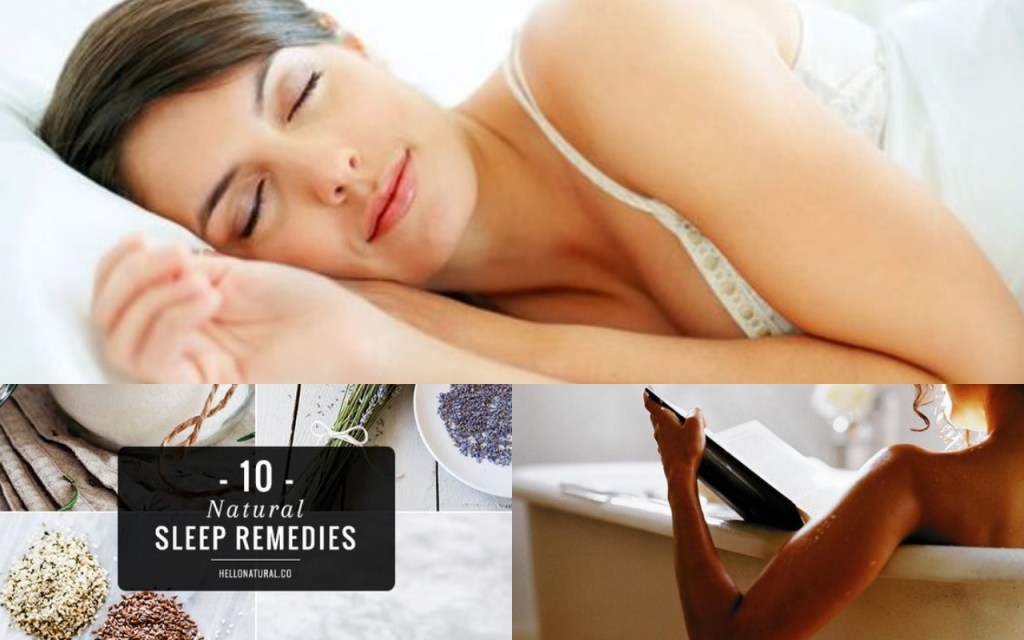
Why is sleep important? A good night’s sleep is incredibly important for your health. In fact, it’s just as important as eating healthy and exercising. Along with nutrition and exercise, good sleep is one of the pillars of great health. You simply cannot achieve optimal health without the super power of sleeping well. And like nutrition and exercise, there is no one-size-fits-all number for the hours of sleep each of us needs. The ideal number varies according to age, gender and lifestyle. But we do all feel so much better after a good night’s sleep. After nine hours of sleeping like a log, you can wake up feeling bright-eyed, bushy-tailed and ready to take on anything the day might throw at you. Unfortunately, there’s a lot that can interfere with natural sleep patterns. As busy as we are, it isn’t a surprise that sleep is usually the first pillar of the health foundation to be overlooked.
Sleep is important for various aspects of our health. In fact, sleep quality and duration can have a major effect on many health risks factors; brain function, mental health issues, immune system, the appearance of your skin, protecting against heart disease, your ability to interact socially, a loss of sleep can even increase one’s risk for obesity and weight gain.
How to sleep better is obviously upper most in our minds, with 76% of us feeling we don’t get enough sleep. People with medical conditions are more likely to suffer from poor sleep, according to The Sleep Council’s Great British Bedtime Report. It’s been estimated that 90% of people with depression complain about sleep quality. Getting a good night’s sleep can help to keep your immune system fighting fit and keep germs at bay. Sleep gives your body the time it needs to rest and repair, which is one of the reasons you feel tired and want to sleep more when you’re unwell. Sleep supports the proteins and cells of your immune system to detect and destroy any foreign invaders your body might come into contact with, like the common cold. it’s essential to allow yourself time to rest and recover when you’re not feeling well. Even a small loss of sleep has been shown to impair immune function.
A consistent loss of sleep can increase one’s risk for obesity and weight gain. That’s because lack of sleep influences the body’s hormonal responses, some of which are decreased insulin sensitivity. Good sleepers tend to eat fewer calories. So poor sleeping can affect your weight. So bad news for dieters.
What are the benefits to your brain, learning and creative power? And so what happens when you sleep? Well, sleep gives your brain a chance to sort things out. Scientists aren’t exactly sure what kinds of organizing your brain does while you sleep, but they think that this might be the time when the brain sorts and stores information and solves problems. Creativity can also be boosted overnight. How often do great ideas come to mind on waking up!
A study in the journal Clinical and Experimental Dermatology found that people who slept seven to nine hours a night had skin that was more moisturized and that could protect and heal itself better compared to those who slept five hours or less. Your body boosts blood flow to the skin while you snooze, which means you wake to a healthy glow. When you skimp on your sleep your complexion can look drab, ashen and lifeless. So, you not only feel better after a good night’s sleep but look better too.
What else can impact sleep? Eating heavy meals late at night, alcohol and caffeine drinks like coffee can cause problems sleeping, so are best avoided, herbal teas can be help and most supermarkets and health stores carry a large selection of teas and natural remedies. Technology can affect sleep, like using phones and computers at night, so for an hour or so before bedtime, turn these off and never use these in bed.
Stress often causes poor sleep patterns. If you’ve got a lot on your mind and are struggling with your emotions, going over things in your head can often keep you awake at night. If you are up at night worrying, you might begin to see a change in your mood and a lack of sleep can leave you feeling low. This could then cause you to feel anxious and create more negative thoughts about not sleeping. This might keep you awake even longer and can turn into a vicious cycle of worry and poor sleep. Its hard to stop this happening so try talking about worries before bedtime or even get professional help.
Try to keep a consistent bedtime and wake up time as our body clocks thrive on routine. Having a set wake up time seven days a week is important, particularly when we are having problems sleeping.
We need bedtime to be positive and relaxing, so a warm bath, hot drink or reading a book is a simple and effective wind-down after a busy day. The website https://sleepcouncil.org.uk/ offers detailed advice for all sleep-related issues.
Remember sleep is a super power we all need to survive and strive and its free.
Are you feeling sleep-deprived this winter? Yes, then you have joined over half of the population, who are reporting getting as little as just four hours sleep a night on average. Which is totally shocking and falling very short of the recommended six to eight hours sleep every night. The state of the nation’s sleep has come under scrutiny as more people admit they are unhappy with the quality of their sleep and the effect it is having on their ability to function daily.
According to a major survey commissioned by three of the leading bodies championing sleep, Sleep Station, The Sleep Council and The Sleep Charity. More than 2,700 people took part in the National Sleep Survey to provide an overview of the nation’s sleep during the Covid-19 global pandemic, the biggest UK survey of its kind to date on this subject. And it found that the coronavirus was affecting all aspects of sleep. Nearly four in 10 people (39%) are now going to bed later but also believe that the amount of sleep they get is shorter than normal. Nearly a third (30%) are also waking earlier. Significantly, women find it harder to fall asleep (46%) with men more likely to report no change or slightly longer sleep duration. Nearly three in every 10 people (26%) said waking too early was worse now than before. More than a third (33%) are experiencing more vivid dreams.
Sleeping well is crucial to our physical and mental health and wellbeing. With people experiencing signs of depression and reporting that lack of sleep is impacting on their mood, concentration and how tired they feel in the day, we have been exposed to lots of government advice around diet, exercise and how to look after our mental health during these challenging times. However, we’ve not heard anything concrete around sleep and it has never been more important. Lisa Artis, head of TheSleep Council
Dr Neil Stanley, an independent sleep expert who works with The Sleep Council added that millions of Britain’s have been impacted by the coronavirus in some way. The survey findings come amid rising concern that these unprecedented times are causing a surge in sleep issues. A lack of support, or lack of awareness of the help available for those issues, could have a lasting impact on the people of Britain.
The first Lockdown hit us all hard and now we are all back for a re-run. It’s much harder to stick to the routines we have in our usual life’s. No one knows what day it is; bedtimes have become much later and it’s harder to get up in the morning, plus we’re all feeling a little more anxious than normal. We know we should be getting exercise but its not as easy in winter than in summer-time. I have a treadmill at home but it’s still difficult to make myself use this everyday in lieu of walking to work daily. And it’s not just adults, this is also impacting on children. In these extraordinary times, it is fully understandable that sleep patterns may have changed for the worst. Too many of us check emails, social media or browse the internet before bedtime, some of us even use our phones and computers in bed. Over-use of computers and mobile phones is most likely adding to the problems of us not sleeping well.
The Sleep Council have offered the following advice:
Keep regular hours. Going to bed and getting up at roughly the same time, all the time, will programme your body to sleep better. Choose a time when you are most likely to feel sleepy.
Your bedroom should be kept for rest and sleep and it should be neither too hot, nor too cold; and as quiet and dark as possible.
Regular, moderate exercise such as walking can help relieve the day’s stresses and strains. But not too close to bedtime or it may keep you awake!
Caffeine is a stimulant and its effect on sleep is well known – it interferes with falling asleep and prevent deep sleep. Try and avoid it 4-5 hours before bedtime; have a hot milky drink or an herbal tea instead
While alcohol initially relaxes you and helps you to nod off, it decreases the amount of time you spend in REM sleep (deep, restorative sleep). Plus, you will find you wake in the night dehydrated and needing the loo
Have a warm bath, listen to some quiet music, do some yoga – all help to relax both the mind and body. Your doctor may be able to recommend a helpful relaxation tape, too.
Blue light inhibits the night-time secretion of melatonin and impacts on sleep latency so avoid screen time at least an hour before bed.
The website https://sleepcouncil.org.uk/ offers a range of helpful advice on improving sleep patterns. Self-care is so important right now, and a good night’s sleep can help so much with the upheavals we are all going through. Reading a book or listening to some relaxing music is going to be more helpful to sleeping that watching the latest news updates. Worrying about the future is natural but we can handle stressful times much better when we are getting enough sleep.
I have replaced my old bedding with a lovely new throw, which is cosy and attractive and this also stops me from siting on my bed to work, which I usually do. If you keep your bedroom for relaxing only particularly as so many people are working from home, this may improve your sleep.
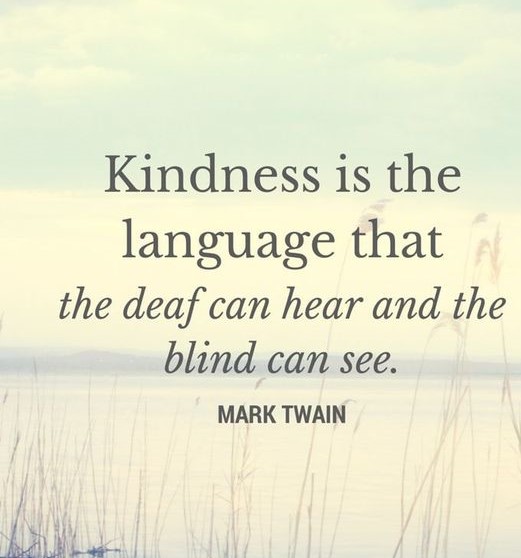
I have been meaning to write a blog on Kindness for some time. I think this is the most essential personality trait that anyone can have. Also, if ever there was a time for Kindness it’s Now. I have in my life been given random acts of kindness, often from surprizing sources and these were very important to me at the time. Acts of Kindness, don’t need to be huge gestures, sometimes its small things that matter most and mean a lot. Research shows that helping others can be beneficial to our own mental health. It can reduce stress, improve our emotional wellbeing and even benefit our physical health. Almost everybody feels good when someone is kind to them. This is especially true for those who are vulnerable, like people who are recovering from depression or who are learning to live with dementia. Acts of kindness and compassion can increase wellbeing and aid recovery.
“Too often we underestimate the power of a touch, a smile, a kind word, a listening ear, an honest compliment, or the smallest act of caring, all of which have the potential to turn a life around.” Leo Buscaglia, 1924 – 1998
In the business world, Kindness is not widely regarded as a matter for serious businesspeople. Corporate language is rife with going into battle and winning at all costs, the survival of the strongest, and kind, caring people are regarded as a bit soft and even weak. Think of Margret Thatcher and The Apprentice. The times they may be a changing. According to a recent Guardian article, a poll carried out revealed that just one person in eight wants life in the UK to return to exactly as it was before when the coronavirus pandemic is over. The article asserts that there is a widespread appetite for a kinder society that allows workers more time off with family and friends, cares about the environment, and ensures high levels of employment. So, I think even the business world is waking up to treating people with more Kindness.
World Kindness Day is an international observance that falls every year on the 13th of November. First launched in 1998 by The World Kindness Movement, is an organisation formed at a 1997 Tokyo conference of like-minded kindness organisations from around the world. There are currently over 28 nations involved in The World Kindness Movement which is not affiliated with any religion or political movement. The mission of the World Kindness Movement and World Kindness Day is to create a kinder world by inspiring individuals and nations towards greater kindness.
In the UK, Kindness Day UK is organised by Kindness UK, a not for profit organisation. Kindness Day UK was launched on 13th November 2010. On this day, participants attempt to make the world a better place by celebrating and promoting good deeds and pledging acts of kindness, either as individuals or as organisations. The event has continued to grow in popularity every year with increasing numbers of individuals, schools, charities, institutions and businesses taking part.
These little gestures are sometimes also known by the acronym RAOK (Random Acts of Kindness) and whilst you don’t really need an international day to do any of them. ( Do you?) It does get the message out there, which has to be a good thing. Random acts of kindness could be: paying it forward, volunteering, sending notes of gratitude or cards and smiling at strangers. It could help both individuals and communities to flourish. Is there anything you can do for someone that needs help? We can all benefit from giving or receiving an act of Kindness. Research is showing that people who are kind and compassionate are more satisfied with their lives, have better mental health and have stronger relationships.
So being kind and compassionate can help other people and make you feel good too. The more you give, the more positive you feel. So, do be kind please……
It would be difficult to research and write about bathing rituals without looking at Japanese bathing, this is a phenomenon remarkably different from most traditions in the modern Western world. I’ve not been fortunate to visit Japan yet, I would really love to visit such a diverse and fascinating country. I have been reading about at the customs of Sento, Furo and Onsen and the significance of the bathing culture to Japan. This is not just about washing the body but ritual purifications embedded in the Japanese culture for centuries. There is no better example of literally immersing yourself in another culture than the bathing rituals that have endured for many lifetimes.
Sento
Is an age-old Japanese practice of public baths, to cleanse both the mind and body. Sento Bathing became popular amongst common people who relished baths at Buddhist temples. Empress Kōmyō began the practice of charity baths, where she would wash beggars at temple baths. Charity baths eventually became an act of reverence for ancestors and practitioners who would offer baths to any person, regardless of age, sex or social status. The evolution of temple bathing to include charity baths and public bathhouses demonstrates the connection between religion and bathing in Japan. The popularity of public baths continued to increase, particularly during the Edo period from 1603 to 1868. The first public bathhouse in Tokyo was founded in 1591. By the late Edo period, there were over 500 Sento in Tokyo. Both gender-divided and mixed baths were popular during this period, despite the Shogun’s concerns about the potential for immoral behaviour in mixed baths. The prudishness of 19th century Westerners led the government to ban mixed bathing to make Japan seem more civilized. In the early 17th century, amusement and recreation was frequently combined with bathing. Men could often have their backs washed by women called Yuna or bath prostitutes. (Until the government outlawed these). Large groups of people that would travel to their local Sento to eat, drink and sing. It introduced the concept of social mixing which not only aided in slowly deconstructing the existing social hierarchy but created a new cultural flow between the elite and commoners, this had a lasting effect on Japanese social status- quo.
Even after WWII, it was still relatively common for people to not have baths, due to the post-war construction boom in residential housing without bathing facilities or running water. So, the only way to bathe was to attend a Sento at the end of their day. They continued to be built well into the mid-20th century, with the number of bathhouses reaching their national peak in 1968 at 18,325. Today, the number has dwindled to around 4,000. Japanese people are now able to afford baths or showers in their own homes. For a class-conscious society, the Sento has become an embarrassing reminder of an impoverished past, and as the ranks of Japan’s nouveau riche have continued to swell, a stigma has fallen upon those who patronize the humble Sento. However, it remains a veritable oasis in many communities, especially in the suffocating hot summers and cold winters.
The two main kinds of traditional Sento are Furoya , steam baths, and Yuya a central large communal bath. Ancient cultures believed in the healing effect of water and today the Japanese believe the adoption of hot baths and its related procedures are the cure for many ailments such as: obesity, kidney disease, rheumatism and neurological disorders. The Sento is roughly divided into two sections: where you wash and where you relax. It is vital to wash thoroughly before entering the relaxation baths. Most baths are classed by temperature: tei-on (tepid) to chu-on (warm) which is bearable for 10 minutes or so. The waters of Sento differ from those of Onsen in that they are not naturally heated.
Some Sento have evolved into Super-Sento, which charges a higher price than the public sento and offers an all-day luxurious bathing experience more like an Onsen. It caters to the Japanese post-modern love of all things comfortable and affordable, usually boasting between fifteen to twenty different types of baths, ranging from jacuzzi tubs, whirlpool baths, steam baths, open-air baths to dry saunas. The Ja-Kuu-Ji, Japanese for jacuzzi bath, is popular, and many are spiked with scented bath oils to sooth and restore vitality. The Uutase Buro massages the head, shoulder, spine and back with a high-pressure stream of hot water pummelling down from a meter or so above. Some Sentos have tapped spring water, which enables them to recreate the Rotemburo: an outdoor hot spring that is a cheap alternative to the more expensive Onsen. The Denki Buro (Electric Bath) is a small bath equipped with steel plates that discharge pulsing currents of electricity into the submerged bather to relax the muscles.
While the future of the traditional Sento is bleak the Super-Sento is poised to solidify its position as a staple of Japanese culture. No longer mystical or godly, the modern-day Sento has reinvented itself as an affordable, chill-out, entertainment, yet still elevated beyond a mere bath. So, for total relaxation and the bliss of total cleanliness, the cultural experience of a Sento is a real must!
Furo– Home bathing version of Sento
Bathing in your own home in Japan is called Furo or the more common form of Ofuro. As part of the Japanese ritual of bathing, these are not meant for washing but rather for relaxing and warming oneself. To achieve cleanliness, the bather washes before entering the bath. Furos are seen as a total renewal on many levels including spiritually. In a Japanese-style bath the water is heated to 110° F or even hotter. In private Japanese homes the bathing facilities are always constructed separately from the washing and toilet facilities. The Furo started the popularity of hot-water soaking in other countries, especially the hot tub craze. Today several firms specialize in the construction of wooden Japanese-style bathtubs. The home version of the Ofuro includes a wooden box or a small pool of water with a couple of benches inside. These large baths were traditionally made of Hinoki, Japanese cypress, which is considered sacred. The modern Japanese bath is a high-tech affair that can automatically refill the bath or reheat the water. Within a home’s private ofuro, family members bathe together and discuss their day in a relaxing environment. These larger baths are fairly new, before that, the family used the bath in order of importance, with guests going first, men before women and the eldest family member before the youngest. The Shimai-Buro, the house wife, went last so she cleaned up after everyone else.
Onsen- Japanese hot springs
The Japanese archipelago is highly volcanic with over 100 active volcanoes and rich hot springs which have become recognised landmarks. Over 25,500 hot springs bubble in Japan year-round and are distributed according to the numerous volcanic chains running through the archipelago. The wealth of hot springs led to the development of Onsen. Which is an excellent way to enjoy Japan’s natural beauty, particularly during cold winters.
The Japanese have been bathing in the natural hot springs for well over a thousand years, and there are many historical accounts of feudal lords having their own favourite Onsen spots, kakushiyu, where they may have let their samurai bathe after battle. Claims regarding the curative properties precede Buddhism’s introduction to Japan. The Onsen’s healing waters were frequently believed to be gifts from animals, gods or Buddhist deities. The Japanese longevity and long-standing dedication to Onsen are a testament to the positive effects of natural springs on health and well-being. The healing benefits of each Onsen depends on the minerals in its water; hydrogen carbon-rich springs smooth the skin, sulphurous springs help manage blood pressure and keep arteries supple, and iron-heavy springs soothe achy joints and muscles even easing arthritis. Taking to the waters of Onsen has historically carried spiritual and religious meanings in addition to their cleansing and healing properties. Devotional bathing and charity baths show how Buddhism and bathing are intertwined in Japanese history and culture.
Generations of Japanese women and men have practiced the ritual of bathing in mineral-rich Onsens for beautification and health. Despite the technological advances in skin care coming from Asia, Japanese women still consider Onsens a fundamental part of their beauty regimen. Dermatologists have long known that sulphur nourishes the skin, is anti-inflammatory, heals acne and relieves various skin conditions. But beyond the science lays a few centuries of nourishing the soul and a mythical history.
Within the Onsen, there may be one large bath or several big pools, these can be indoors or outdoors. The Rotenburo is an outdoor bath, allowing you to experience nature while enjoying the shelter of a roof of some sort and the heat of the bath. After showering, they slowly lower themselves into the water in the pools, exhaling a long, protracted achii, meaning hot, and then relax and practice mindfulness.
Many newer versions of onsens have been adapted to appeal to the changing needs and interests of Japanese consumers and tourists. The modern Onsen resort experience includes up-scale hotels and spas to replace Ryokans (inns)
Where to try Onsen Bathing in Japan:
Noboribetsuo: On the northern island of Hokkaido, a volcanic area known as Hell Valley supports the town’s thermal pools.
Takaragawa: Tokyoites flock to this Onsen for a dose of nature with their skin-reviving soak. The large outdoor baths are mixed-gender.
Naoshima: The public bathhouse here doubles as an art installation commissioned as one of many contemporary artworks and museums on this remote fishing island in the Seto Inland Sea.
Kinosaki: This old-fashioned village north of Kyoto, has bathing options which range from historic bathhouses to private tubs in ryokans.
it is certain that bathing culture in Japan is vibrant and still flourishing indicating a long-term economic stability and prosperity. By continuously reinventing themselves to remain entertaining and engaging, Onsen and Sento continue to about much more than a simple bath.
The beneficial properties of water have been well-known since ancient times for its healing and disease-protecting effects. When men discovered the importance of water as an essential element for human life, they built the first civilisations close by to the sea and rivers. Due to its importance, water was seen as magical and considered a gift of the divinity. Egyptians and Israelites used to plunge themselves in the sacral water of Niles and Jordan. Hindus, enter the waters of the Ganges river for healing their soul and body.
Ancient Greeks knew the beneficial properties of sulphurous springs, especially for healing skin diseases and for relieving muscular and joint pain. The element of Water was thought to have an Expulsive Virtue which washed impurities and waste products from the body. The cleansing action of the water is enhanced by its surface tension, which further enables the water to be able to penetrate and draw out the impurities and toxins. In the Homeric poems and Hesiod, many references are made to the use of restorative baths. Plato said, “The sea cures all ailments of man.” Euripides said, “The sea washes away all men’s illnesses.” Plato, Hippocrates and Aristotle all recommended hot seawater baths. Cato the Elder served his slaves a mixture of wine and seawater to restore their energy.
Hippocrates, the famous philosopher, was the father of Hydrotherapy. He was very interested in the therapeutic properties of various waters, which he saw were either rain- fed, as in lakes or marshes, or from subterranean aquifers, as in mineral springs that come bubbling out of the rocks. He theorized that their differing curative properties came from their differing contents of various minerals like; iron, copper, silver, gold and sulfur. In his work “De is, a quiz at loci” he describes the chemical and organoleptic water features, and the effects of hot and cold baths on the human body. Hippocrates, proposed the hypothesis that all the human diseases started in an imbalance of the bodily fluids. To restore balance; changes of habits and environment were advised, including bathing, perspiration, walking, and massages.
Thermalism became the social form of Hydrotherapy. Following on from the Greeks, Romans considered bathing as a regular regimen for good health. Many Roman and Byzantine physicians like Herophilus, Erasistratus, Asclepiades and Orebasius studied the curative properties of mineral springs. Roman thermal baths became a social experience for everyone. Numerous baths, which they called Balnea, were constructed in Rome and conquered lands all over Europe, for both private and public use. Baths, were also built in private houses, often with special areas dedicated to sauna and massage. Not only was this a good regimen for human health, thermalism became important for socialising, relaxation and working. The Roman Thermae also had a medicinal emphasis, and were largely used as recuperation centres for the wounded military soldiers, fatigued by wars, to treat their sore wounds and tired muscles through the natural spring waters.
In the 18th and 19th centuries, spas in Austria and Germany, became popular. The Water Cure, which was also called Taking the Waters, was a 19th century health reform movement that employed the therapeutic use of water to revitalize health and treat disease. In the 19th century, detailed chemical analyses of the mineral contents of various hot springs waters began. (Today, in many European countries the scientific study of therapeutic spa bathing, is a recognized subspecialty of medicine) The Water Cure was a combination of Hydrotherapy, which is therapeutic bathing, Balneothrepy, which is bathing in thermal springs and Thalassothreapy, which is ocean bathing.
In 1849, Father Sebastian Kneipp who became known as the Water Doctor, invented a system of naturopathy of natural therapeutics. When taken seriously ill with pulmonary tuberculosis, he discovers a book by the physician Johann Sigmund Hahn, On the Healing Virtues of Cold Water, Inwardly and Outwardly Applied, which explained about the healing power of cold water. Fascinated by this information, Kneipp performed an experiment on himself in the cold Danube river. A bath that lasted only a few seconds and a brief run afterwards lead to a surprising positive result. He is invigorated afterwards and repeats the brief baths over the following days and supplements them with half-baths and affusions, the pouring on of water on the head, as in the rite of baptism. As a result, his state of health continually improves and his illness is gone. He began using Hydrotherapy to help some of his poorer parishioners. Kneipp, broadened his approach to include; medicinal herbs, exercise, a diet of low-protein and high fibre and adhering to the body’s natural biorhythms. He wrote My Water Cure in 1886 which was translated into several languages. Kneipp’s effective philosophy is grounded on the five basic principles of Water, Plants, Exercise, Nutrition and Balance. His five pillars remain so relevant today that his methods of aromatherapy and plant healing play an immense role in contributing to modern holistic healthcare and have influenced many other health programs and experts. The German UNESCO Committee have acknowledged his work as part of Germany’s cultural heritage. Today, the company of Kneipp continues its 125 years old heritage by providing natural body, bathing and skin products inspired by the lifelong naturopathic studies of the health pioneer Father Sebastian Kneipp.
The Belle Epoque period, late Victorian era to the Edwardian era, saw the emergence of Elitist Thermalism, throughout Europe and the Americas, Spas were on the rise. The new thermal centres were an integral part of gentile life, it was the beginning of Medical and Health Tourism. Health was not solely linked to the treatment of disease and ailments but also for well-being, luxury and social status.
To able to travel for their health like the nobility, was very much seen as a major aspiration for the wealthy classes, to be seen taking the waters whether afflicted by illness or not. The elite flocked in their masses to the European spas to socialize, fall in love, find creative inspiration, show- off the latest fashions, attend cultural events and meet famous people. I do hope that their health also benefited from the wonderful natural resources.
In my next blog post, I will go into more detail about the actual treatments. This is such a large subject it was becoming a bit too long like War and Peace!