The Ancient Origins of Hydrotherapy

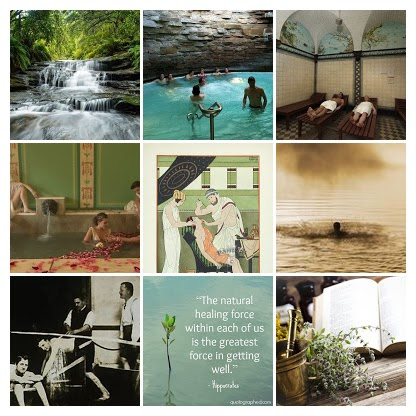
The beneficial properties of water have been well-known since ancient times for its healing and disease-protecting effects. When men discovered the importance of water as an essential element for human life, they built the first civilisations close by to the sea and rivers. Due to its importance, water was seen as magical and considered a gift of the divinity. Egyptians and Israelites used to plunge themselves in the sacral water of Niles and Jordan.  Hindus, enter the waters of the Ganges river for healing their soul and body.

Ancient Greeks knew the beneficial properties of sulphurous springs, especially for healing skin diseases and for relieving muscular and joint pain. The element of Water was thought to have an Expulsive Virtue which washed impurities and waste products from the body. The cleansing action of the water is enhanced by its surface tension, which further enables the water to be able to penetrate and draw out the impurities and toxins. In the Homeric poems and Hesiod, many references are made to the use of restorative baths. Plato said, “The sea cures all ailments of man.”  Euripides said, “The sea washes away all men’s illnesses.”  Plato, Hippocrates and Aristotle all recommended hot seawater baths.  Cato the Elder served his slaves a mixture of wine and seawater to restore their energy.

Hippocrates, the famous philosopher, was the father of Hydrotherapy. He was very interested in the therapeutic properties of various waters, which he saw were either rain- fed, as in lakes or marshes, or from subterranean aquifers, as in mineral springs that come bubbling out of the rocks.  He theorized that their differing curative properties came from their differing contents of various minerals like; iron, copper, silver, gold and sulfur. In his work “De is, a quiz at loci” he describes the chemical and organoleptic water features, and the effects of hot and cold baths on the human body. Hippocrates, proposed the hypothesis that all the human diseases started in an imbalance of the bodily fluids. To restore balance; changes of habits and environment were advised, including bathing, perspiration, walking, and massages.

Thermalism became the social form of Hydrotherapy. Following on from the Greeks, Romans considered bathing as a regular regimen for good health. Many Roman and Byzantine physicians like Herophilus, Erasistratus, Asclepiades and Orebasius studied the curative properties of mineral springs. Roman thermal baths became a social experience for everyone. Numerous baths, which they called Balnea, were constructed in Rome and conquered lands all over Europe, for both private and public use. Baths, were also built in private houses, often with special areas dedicated to sauna and massage.  Not only was this a good regimen for human health, thermalism became important for socialising, relaxation and working. The Roman Thermae also had a medicinal emphasis, and were largely used as recuperation centres for the wounded military soldiers, fatigued by wars, to treat their sore wounds and tired muscles through the natural spring waters.

In the 18th and 19th centuries, spas in Austria and Germany, became popular. The Water Cure, which was also called Taking the Waters, was a 19th century health reform movement that employed the therapeutic use of water to revitalize health and treat disease. In the 19th century, detailed chemical analyses of the mineral contents of various hot springs waters began. (Today, in many European countries the scientific study of therapeutic spa bathing, is a recognized subspecialty of medicine) The Water Cure was a combination of Hydrotherapy, which is therapeutic bathing, Balneothrepy, which is bathing in thermal springs and Thalassothreapy, which is ocean bathing.

In 1849, Father Sebastian Kneipp who became known as the Water Doctor, invented a system of naturopathy of natural therapeutics.  When taken seriously ill with pulmonary tuberculosis, he discovers a book by the physician Johann Sigmund Hahn, On the Healing Virtues of Cold Water, Inwardly and Outwardly Applied, which explained about the healing power of cold water. Fascinated by this information, Kneipp performed an experiment on himself in the cold Danube river. A bath that lasted only a few seconds and a brief run afterwards lead to a surprising positive result. He is invigorated afterwards and repeats the brief baths over the following days and supplements them with half-baths and affusions, the pouring on of water on the head, as in the rite of baptism. As a result, his state of health continually improves and his illness is gone. He began using Hydrotherapy to help some of his poorer parishioners. Kneipp, broadened his approach to include; medicinal herbs, exercise, a diet of low-protein and high fibre and adhering to the body’s natural biorhythms. He wrote My Water Cure in 1886 which was translated into several languages. Kneipp’s effective philosophy is grounded on the five basic principles of Water, Plants, Exercise, Nutrition and Balance. His five pillars remain so relevant today that his methods of aromatherapy and plant healing play an immense role in contributing to modern holistic healthcare and have influenced many other health programs and experts. The German UNESCO Committee have acknowledged his work as part of Germany’s cultural heritage. Today, the company of Kneipp continues its 125 years old heritage by providing natural body, bathing and skin products inspired by the lifelong naturopathic studies of the health pioneer Father Sebastian Kneipp.

The Belle Epoque period, late Victorian era to the Edwardian era, saw the emergence of Elitist Thermalism, throughout Europe and the Americas, Spas were on the rise. The new thermal centres were an integral part of gentile life, it was the beginning of Medical and Health Tourism. Health was not solely linked to the treatment of disease and ailments but also for well-being, luxury and social status.

To able to travel for their health like the nobility, was very much seen as a major aspiration for the wealthy classes, to be seen taking the waters whether afflicted by illness or not. The elite flocked in their masses to the European spas to socialize, fall in love, find creative inspiration, show- off the latest fashions, attend cultural events and meet famous people. I do hope that their health also benefited from the wonderful natural resources.

In my next blog post, I will go into more detail about the actual treatments. This is such a large subject it was becoming a bit too long like War and Peace!

Incredible Edible Todmorden

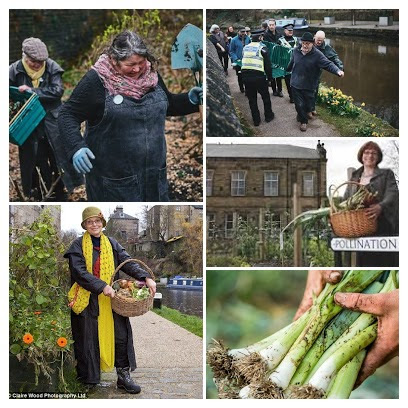
I was watching James Martin last Saturday, one of my guilty pleasures, and there was a wonderful lady talking about Incredible Edible Todmorden. This inspirational story is about two, down to earth Yorkshire women who began turning disused verges in the former mill town of Todmorden into free food plots. It’s a simple idea to take over unused or unattractive bits of public land and to plant food to feed the local community. But little did they realise they would inspire a global movement of growers.

Mary Clear and her friends, sitting in a kitchen with no money, asked themselves, “What can we do to create a kinder world?”  They decided to make their ‘community stronger, educate their children in a different way, create jobs and have fun’. They got together their neighbours; local doctors, firemen, teachers, school children, even the police, and turned their town into an edible landscape where the produce is freely available to anyone who wants it. The Toddies didn’t set out to start a food-growing revolution, they only wanted to bring their small town together at a difficult time for communities throughout the UK.

Where is Todmorden? It’s an old mill town in Yorkshire’s Calderdale Valley. It rains a lot, there’s not a lot of sun, and it has experienced major flooding problems for several years. Still scarred by the memory of its declining industrial past. Many buildings lie abandoned and decayed, almost 20% of the residents are income deprived and an estimated 28% of children in the town live in poverty. These are ordinary people, not rich, or famous or influential. They practise the art of ‘propaganda gardening’, planting up every available public space in their town and from their efforts have started businesses, social enterprises, school gardens, a permaculture training centre, even ‘vegetable tourism’. Their work has invigorated the town’s economy. The Incredible Edibles say they’re inspired by Todmorden’s own history of activism. It was home to John Fielden who campaigned for the protection of child workers leading to the Ten-Hour Act of 1847, reducing the hours for factory workers.

Since a group of a dozen residents began gardening in March 2008, hundreds of people from around the UK and abroad have travelled there to see how the “Toddies”( what they call themselves) do it. Communities throughout the world have taken Todmorden’s model and replicated it. In France, the movement has taken root as Les Incroyables Comestibles, with 300 groups around the country. There are sister groups in Israel, Palestine, Colombia and Brazil, all growing food to share with others. In total as many as 500 community food growing groups across the world using the Incredible Edible name. The model is adapted to suit different needs. For example, In Kinshasa, the Democratic Republic of the Congo, the group supports farmers and street children.

We do say that if you can grow it in Todmorden, you can grow it anywhere,”

Estelle Brown, one of the founding members of Incredible Edible

Every first and third Sunday of the month, despite the weather, IET volunteers (of which there are an estimated 300 in the town of 16,000) get together for a morning of Guerrilla Gardening. They walk down the canal, following children carrying litter pickers. Every so often they pause to pick up cigarette butts or chocolate wrappers. There are lessons in pickling and preserving fruits, courses on bread-making, and the local college is to offer a BTEC in horticulture. The thinking is that young people who have grown up among the street vegetables may even make a career in food.

There are no paid staff, buildings or funding from statutory organisations. Their only income is from voluntary donations and fees for talks and tours. Yet they grow vegetables to share all around Todmorden, run cooking and other demonstrations and workshops, organise festivals, encourage people to shop local, and work with other local organisations to build a stronger, kinder community, a truly incredible achievement and an amazing inspiration to others. Incredible Edible Todmorden continues to grow and thrives and I hope it will continue to do so, for many years to come.

 I have found several similar schemes in my own city and as soon as I able to, I hope to contribute myself in some way. Eating seasonally, buying locally and building better communities is such an important way forward and the work they do in engaging and involved children is crucial to this been a long-standing movement. Please see the website for more information in how to get involved.

https://www.incredible-edible-todmorden.co.uk/

I leave the final words to Mary Clear- the founder

 There’s a nobility to growing food and allowing people to share it. There’s a feeling we’re doing something significant rather than just moaning that the state can’t take care of us.

‘Maybe we all need to learn to take care of ourselves.’

The Dead Sea and The Wonderful Benefits of Dead Sea Salts

The Dead Sea is called Ya-Ha Melah (in Hebrew) which is literally, the “sea of salt. The Dead Sea is a landlocked salt- lake, the largest in the world, bordered by Jordan, Israel and the Palestine. Extraordinary climatic and environmental conditions make the Dead Sea a truly remarkable place, and its salt deposits are unlike anything else in the world. The water has 34.2% salinity, which is why people are able to float in the water. The Dead Sea has been an attraction for healing and wellness for thousands of years. That’s because the unique mineral composition of the water, mud, and atmospheric pressure have been shown to improve inflammatory conditions like psoriasis and arthritis. The low pollution and allergen levels of the Dead Sea depression region make it an ideal place to recover from ailments such as asthma, chronic obstructive lung disease, and cystic fibrosis. Dead Sea water is a wonderful treatment for dry skin conditions, nourishing the skin and replenishes much-needed moisture.

Jenna Rosenstein,the beauty director of Harper’s Bazaar, fashion magazine, visited the Dead Sea and below are some of her observations:

The water was so warm that it verged on hot. I kept walking until it reached my torso, and then I leaned back and splashed into the sea. I submerged only for a second before popping back up on the surface, like a human rubber duckie.

I’ve tried nearly every facial and skincare product that promises luminous, even skin—nothing compares to a dip in the Dead Sea. And if you can’t fly out there anytime soon, at least pick up a packet (or ten) of Dead Sea bath salts. In this golden age of wellness and self-care, a little salt water might be all you need.

 Using Dead salts has been documented from as far back as biblical times. King Solomon presented the Queen of Sheba with a gift of Dead Sea Salts when she was visiting the Holy Lands. Queen Cleopatra, attributed her great beauty to the secrets of the sea and its salts. She had Marc Anthony conquer the regions surrounding the Dead Sea, so she would always have access to a bountiful supply. Some records state that she established cosmetic clinics to offer salt treatments to her guests, but I found many versions of the facts on this, so I am not sure if that is true.

The area around the Dead Sea has always had an association with mythical worlds. Dead Sea Salts are favoured by Spiritual Healers as it is reported to remove all negative energies which we all pick up on our daily travels. These negative energies attach themselves to our Aura, resulting in a negative impact of our mood, mental state and sometimes physical wellbeing. There are many Spiritual Baths which use Dead Sea Salt, Herbs, and oils that people use to uncross negative conditions. Dead Sea salts can also be added to floor washes to remove negative energies from the home and sprinkling Dead Sea salt outside of the home has the same effect. Tradition has it that placing salt in the four corners of a room keeps negative spirits at bay and purifies the room.

There are over 20 different minerals found in Dead Sea salt aside from sodium chloride, the main constituent of sea salt, including magnesium, calcium, sulphur, bromide, iodine, zinc and potassium. It is these minerals that are the reason behind the wonderful healing and therapeutic qualities of the salt. It contains 10 x the minerals of other natural sea salts. It’s not processed or only had minimal processing, since it comes directly through the evaporation of seawater so it keeps its trace elements.

The many minerals have different properties but the key ones are below:

Sulphur– decongests and is anti- bacterial

Calcium– promotes skin growth and regeneration

Sodium– cleanses and exfoliates, revives sore muscles and neutralizes free radicals

Zinc and Potassium– work to promote moisture retention, keeping the skin, plump and hydrated

Magnesium– detoxifies and cleanses the epidermis

Bromide – helps relieve allergic reactions of the skin by reducing inflammation

Iron– stimulating circulation

These essential minerals naturally occur in our bodies but must be replenished, as they are lost throughout the day and are known to treat, detoxify, and cleanse our bodies.

So, if your nightly baths need an extra boost add a touch of salts as these are very absorbent, they mix well with essential oils giving even more health benefits. Dead Sea salt baths are known for their ability to ease stress, boost your overall health and promote better sleep. Putting them in a hot bath can have the same results as low- level exercise. Stretching and moving in the water can also provide a low impact workout for pains in the muscles and joints. If you are unable to have a full bath Dead Sea salts work really well in a footbath. Soothing achy, overworked legs and feet and reducing swelling.

 Research has proven that soaking regularly in water enriched with Dead Sea salt can provide relief from many unpleasant skin disorders. Problem areas can also be exfoliated using Dead Sea Salts as the grainy texture helps to detoxify and shifts blemishes whilst stimulating the blood flow.

Warm water and Dead Sea salt are generally safe for most people. However, there are some precautions to consider before you take a soak in the bath. It is important not to be use them, if you have had an allergic reaction, have an open cut or wound, as the salt can cause stinging sensations.

In the 1960’s, Habitat in the Kings Road started selling Dead Sea salts as an ozone- rich bath treatments giving the same feelings of well- being attached to the seaside. In 2020, I would agree that Dead Sea Salts still have all the wonderful healing aspects of the sea and are a lovely addition to any bath.

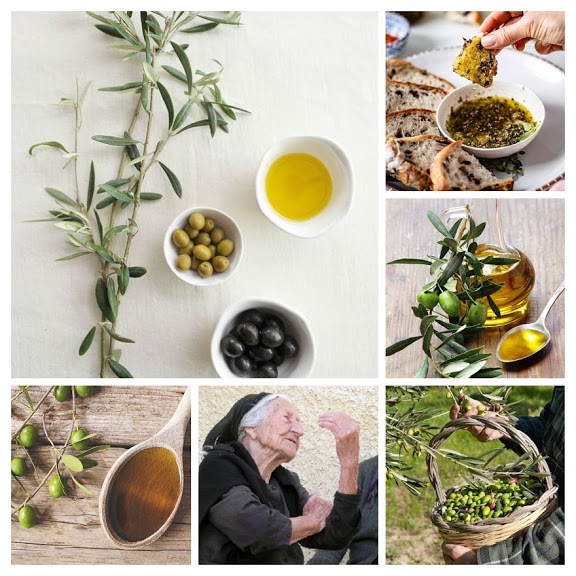
Olive Oil- The Mediterranean Super Power

I have talked about the benefits of the Mediterranean diet in my previous blog posts, one of the core ingredients of this is olive oil. I have watched Italian and Spanish chefs on cookery programmes and been surprized at the amount of oil actually used in their dishes. Health and culinary circuits can’t stop raving about the benefits of this wonder oil. Before I spent time in Spain,at an olive farm, I didn’t particularly like or eat olives and olive oil. But once you have tried it, you do notice the difference. Extra Virgin Olive Oil (EVOO) is the highest quality olive oil available,and is extracted from the olive fruit without the use of any heat or chemicals. Regular olive oil is refined so is stripped of important nutrients and antioxidants, so if possible buy the extra virgin.

In my travel blog, https://travellinglighteratraveljournal.blogspot.com/2020/06/olive-trees-and-oil-and-mediterranean.html I explain about the history of olive trees.

Olive oil is the main source of fat in the Mediterranean diet. The main fat it contains is mono-unsaturated fatty acids, which experts consider a healthly fat.  People who consume this appear to have a higher life expectancy, including a lower chance of dying from cardiovascular diseases. Some experts call it the standard in preventive medicine. The Food and Drug Administration (FDA) and the European Food Safety Authority recommend consuming around 20 grams or two tablespoons of extra virgin olive oil each day to reduce the risk of cardiovascular disease and inflammation. So just using olive oil in salads or as a cooking oil would give you protection from common health problems like strokes. Heart disease is the most common cause of death in the world today, studies conducted a few decades ago showed that heart disease is less common in Mediterranean countries.

Scientists had found evidence that people who ate trans fats, which is an unhealthy fat that features in fast foods and pre-made baked goods, were more likely to have depression than those who consumed unsaturated fats. Eating excessive amounts of fat causes weight gain. However, consuming olive oil does not appear to increase the likelihood of weight gain. A moderate intake may even aid in weight loss, as it can be used instead of unhealthy, higher calorie options.  As it is rich in mono-saturated fats, it helps to stimulate the digestive system, speeding up bowel movement and preventing constipation. Mixing a tablespoon of olive oil and a teaspoon of lemon juice can be an effective remedy for constipation.

Type 2 diabetes is characterised by the reduced effectiveness of insulin, the hormone that moves glucose (sugar) out of the blood and into cells to be used as energy. It’s thought that the phenolic compounds present in olive oil can aid in glucose metabolism and improve the sensitivity and effectiveness of insulin. So, including olive oil in your daily diet could reduce the risk of type 2 diabetes by 13%, in comparison to a low-fat diet. A diet high in olive oil was also found to help normalise blood glucose in people who already had type 2 diabetes. When combined with the other elements of a Mediterranean diet: lots of vegetables and fruit, nuts, seeds, grains, fish and low in meat, the beneficial effects were increased.

In 2016, scientists suggested that including extra virgin olive oil in the diet may help prevent Alzheimer’s disease. This may be due to its protective impact on blood vessels in the brain. As I discussed in my previous blog, protecting our brain power as we age helps us live a healthier, happy life in later years. Vital to our quality of life.

It is also rich in antioxidants which neutralize free radicals. If too many free radicals (which can be called the rust of the body) build up, they can cause oxidative stress. This leads to cell damage, and it may play a role in the development of certain diseases, including certain types of cancer.

Olive oil seems particularly beneficial when combined with fish oil, a source of anti-inflammatory omega-3 fatty acids. In one study, olive and fish oil significantly improved handgrip strength, joint pain and morning stiffness in people with rheumatoid arthritis.

Olive oil contains vitamin E, which supports the normal function of the immune system as well as maintaining healthy skin and eyes. Vitamin E, improves skin health by treating inflammation, acne, and dryness, it also improves the skins elasticity and its regenerative properties. Sophia Loren, credits her youthful appearance to the Italian habit of using lots of olive oil in her diet and applying oil directly to her skin to moisturize. Your fingernails need as much attention as your skin and a useful tip is to dip a cotton ball in 2-3 tablespoons of olive oil and dab it on your nails, the vitamin E helps bring your dry brittle nails back to life. I have tried this and it really works.

The oil’s MUFAs, which are mainly oleic acid, appear to help prevent inflammation, oxidative stress, insulin resistance, and other changes that can result in liver damage. It also contains traces of calcium and potassium, as well as polyphenols, tocopherols, phytosterols, squalene, and terpenic acids and other antioxidants.

So to do a quick re-cap, adding two tablespoons of extra virgin olive oil a day to our diet; gives us a higher life expectancy, reduces the risk of cardiovascular disease and inflammation like arthritis, lowers the risk of depression, helps prevent Alzheimer’s disease, supports the immune system, can fight against obesity, lowers blood pressure, neutralizes free radicals and can protect against liver damage.( I am sure that there are even more benefits but I wanted to cover the most important ones)

Buying a better-quality extra virgin olive oil is important as this undergoes less processing and is more likely to retain its antioxidants, these can be expensive but just looking at how many benefits there are it is worth spending more.  There is a lot of fraud on the olive oil market, as many oils read “extra virgin” on the label when they have actually been diluted with other refined oils. Therefore, examine labels carefully to ensure you’re getting the real deal. It’s always a good idea to read ingredients lists and check for quality certification. If you see ‘harvest date’ or ‘pressed on’ date, it’s likely to be a higher quality oil.

Ideally, buy olive oil in a dark bottle, especially extra virgin olive oil. As light can degrade the oil turning it rancid, it’s best to store your olive oil in a cupboard and not on the kitchen surface where it can be exposed to sunlight. Dark glass bottles offer better protection than plastic bottles.

Why not try, drizzling olive oil on to a salad or adding it into a dressing, or drizzling it on a freshly made bread, instead of using butter. Frying food in olive oil may help maintain and even improve its nutritional value. This is because the food takes up antioxidants that transfer from the oil. Some research has shown that pan-frying produce such as tomatoes, onions, and garlic in olive oil improves the bioavailability of protective plant compounds, such as carotenoids and polyphenol antioxidants.        

Not only are you improving the nutrients in your diet you are also adding to the taste too.

I do hope I have been able to convince you of the superpower of olive oil!

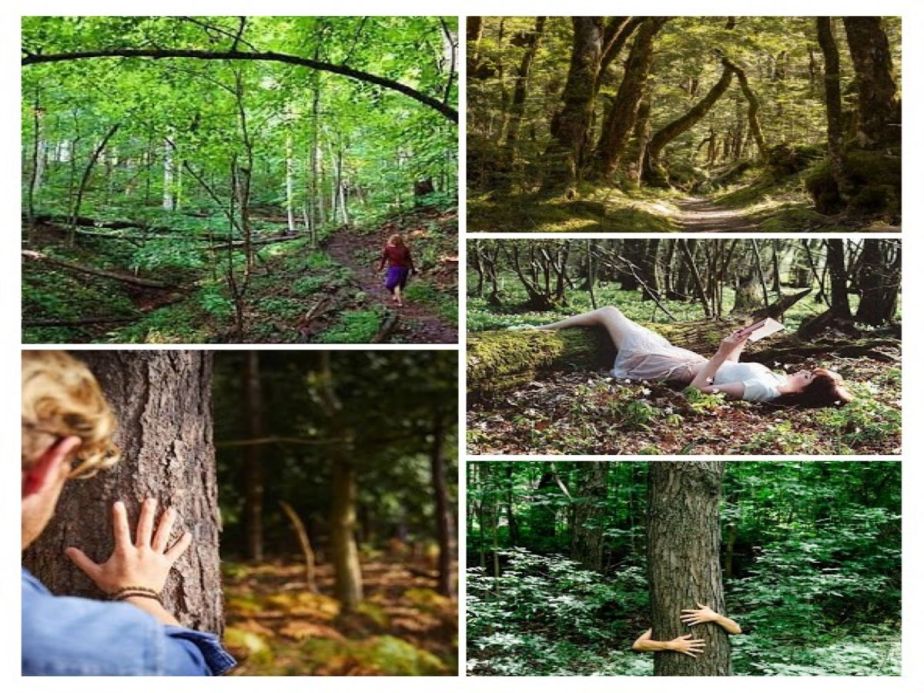
Forest Bathing and The Power of Green

When I lived in London, I was close to Hampstead Heath, I had a hectic and stressful lifestyle and if I had a rare free moment I would always go for a walk on the heath. Slowing down and observing the most minuscule of details, how the smells changed as I strolled along the rough paths: earthy, fresh, woody, musty and floral. The noticing of these things deeply quieted my busy mind. I always returned from my walks grounded. At the time I didn’t intentionally practice connecting with nature and surrounding myself with the energy of the natural world. I felt grateful for a chance to get just out of my head, as I have a constant Monkey Brain, and found mediating difficult, then and now, walking in the woods, was a mediation of sorts for me.

Forest bathing originated in Japan in the early 1980s, where it is called Shinrin-Yoku, practitioners greatly respect trees and believe that they’re the protectors and wise watchers of the forest. The Japanese Ministry of Agriculture, Forestry and Fisheries created Forest Bathing as a way to promote national health and being outdoors. Even Forestry England promote this on their website. While this is not an ancient practice, many see it as a cure for modern ailments and a form of nature therapy. Investigations on the physiological effects that result from being in a forest began in Japan in 1990 and continue today. In a 2011 study, scientists found that people walking in nature had lower blood pressure than those in the city. Another study in Japan showed that inhaling the aroma from cedar trees boosts stress-fighting compounds in the body.

During a nature bath, you’re “bathing” in the energy and clean air of the woods. The healing effects of forests and other natural, green settings, is shown to reduce stress hormone production, lower heart rate and blood pressure, improve moods, free up creativity, boost the immune system, accelerate recovery from illness, reduce anger and aggressiveness and increase overall happiness. So, is advantageous for your physical and mental wellbeing. Most of all, Forest Bathing positively benefits your mood. After trying this many have seen a noticeable improvement in both focus and attention, researchers have even linked this practice to better focus in those with ADHD. Personally, even looking at images of forests and woods fill me with a instant sense of calm and relief.

5 simple steps to practising Shinrin-Yoku or Forest Bathing;

  1. leave behind your phone, camera or any other distractions, so that you can be fully present in the experience.
  2.  Leave behind your goals and wander aimlessly, don’t plan a route.
  3. Pause from time to time, to look more closely, feel some bark and leaves, hug a tree or run dirt between your fingers.
  4. Find a comfortable spot to sit and listen to the sounds around you.
  5. If you go with others, agree not to talk until the end of the walk.

If possible, embrace all your senses; sight, touch, smell, listen to the sounds, bring natural snacks with you to eat, nuts and berries are ideal.

 Thanks to the power of the internet, Forest Bathing has dramatically increased in popularity all over the globe. For the full experience, participants walk with trained guides, who are like therapists, taking their clients through guided meditations, yoga and walks, helping them to see nature in a new light.

The International Nature and Forest Therapy Alliance (INFTA) is committed to establishing Forest Therapy as a scientifically-proven natural medicine by building networks and establishing partnerships with research, education and Public health bodies across the globe. Through these networks, INFTA will access studies, contribute to research on and create awareness about Forest Therapy and Forest Medicine. INFTA’s mission is to make Forest Therapy accessible to all for the health and well-being of people world-wide. Recent estimates by the INFTA project see a demand of up to 10,000 INFTA-Certified Forest Therapy Guides in China alone over the next five years.

Though still a new practice, forest bathing has already shown great promise in treating real conditions without the side effects of medication. It is possible to do this without using a guide, so the costs are low. A pair of walking boots or trainers, a rain proof jacket in the UK and a water bottle are all that are needed.

So next time you go outside, why not find your nearest nature trail and begin your own forest bathing experience?

Bathing for Good Health

I started to research this blog on bathing (one of my favorite pastimes) and I found so much great information about this topic, I will be writing about different types of bathing for weeks to come, so in advance, I am very sorry about that!

At one in time in England a bath was a rare occurrence even for the upper classes, and now its seen as something so ordinary its almost taken for granted and its wide range of benefits are under-valued.  We know about the relaxing benefits of unwinding with a hot bath, but did you know it can also help to improve your health?

Baths and bathing have been such a huge part of human life that there’s a bathing tradition on every continent.  Most ancient cultures have long believed in the healing effects of water. Hippocrates in the 5th century understood the connection between health and the practise of daily bathing and he was the father of Hydrotherapy. The Roman love for bathing gave birth to huge bathing complexes with under-floor heating and a range of temperatures (for Hydrotherapy) some of which are still standing and used today. The Japanese practice of engaging in public baths is known as Sento and lone-bathing at home is Furo.  This is similar to mindfulness rather than a cleansing bath. (I will write a blog post about this)

Your skin releases endorphins in response to the soothing warm water the same way that endorphins are released when you feel the sun on your skin, says Dr Bobby Buka, a dermatologist based in New York. He explains that submerging ourselves in hot water can be both therapeutic and reinvigorating. So, soaking in a bath for 20 minutes, can help to stabilize blood pressure, regulate blood sugar, aid the flow of oxygen throughout your respiratory system and contribute to overall better heart health by increasing and improving blood flow to and from the heart. Taking a bath also helps to strengthen and synchronise your circadian rhythms, the daily fluctuations in behaviour and biochemistry that affect every one of our organs, including the brain.

 After a bath your limbs and muscles will feel less sore after strenuous exercise or a demanding day at work and it can also help you experience less mental fatigue. It is said that our bodies associate horizontal conditions with relaxation and vulnerability, particularly in the bath, which possibly mimics the warm, liquid conditions of the womb. When struggling with a bad cold or flu, actually elevating your body temperature with a hot bath can actually boost your body’s ability to fight infections and viruses, combining this with essential oils, like lavender, eucalyptus or chamomile, and Dead Sea or Epsom salts can help reduce stress and aching muscles, allowing for even greater healing and relaxation. Simply making a daily routine out of unwinding in your bath at the end of a day and thinking, (or meditating) that the water is washing off your day and removing your worries will help to improve your well-being and sleep quality. Adding a gently, fragranced bath product, made from natural ingredients would add an extra touch of pampering, important to self-care.  

Researchers have also found that soaking in an hour-long hot bath burned as many calories (around 140) as a 30-minute walk. This is because the warm water makes your heart beat faster, giving you a gentle workout session. As this may help reduce inflammation and in much the same way as exercise does, this is especially helpful for people who are unable to exercise through illness as well as a helping them to manage any pain. Many people who have chronic illnesses report feelings of depression, taking a hot bath can provide physical comfort and ease the blues that are associated with chronic pain conditions, literally washing your pain away.

I would just add one note of caution, if the temperature of the water is too hot it can put your body under what’s called heat stress, where your body’s internal temperature regulation is thrown and doesn’t have enough opportunity to recalibrate. Heat stress, can cause a strain on the heart, nausea, vomiting and dizziness.  So keep check of the temperture.

There is some disagreement on whether it’s better to have a bath in the morning or evening, but some doctors advocate the benefits of a morning bath. Cortisol levels peak at 8am, so lowering the level first thing, would give a calmer start to the day, as we do on occasions wake up actually feeling stressed. Personally, I enjoy having a long soak in the bath, on the mornings I don’t work, as it’s a real chance to relax, get a bit of time to myself and spark my creative juices. I add some of my favourite oils, like bergamot and ginger. It is best to mix the essential oils in to a tablespoon of carrier oil like grapeseed or olive oil and use around 5-6 drops only. If you swirl your hands in the water to disperse the oil it doesn’t then sit on the surface of the water.

I hope this has made you re-think the humble act of bathing and I will add more in-depth details about some of the methods mentioned. I always think a long blog post is a bit like a speech that is far too long….

The poet and novelist Sylvia Plath wrote, “I am sure there are things that can’t be cured by a good bath, but I can’t think of one.”

 I couldn’t agree more!

Stop and Smell the Roses

We often hear the phrase, Stop and Smell the Roses, and whilst I am sure there are several takes on this, to me it means; to pause, reflect and look at the brighter side of life. English Rose Gardens remind me of visiting my grandparents’ house when I was a child, I am instantly transported to happy times. Nostalgic yet uplifting too.

Roses are one of the most beautiful flowers in the world, literally the queen of flowers. We all love and appreciate their beauty and they have a myriad of uses in bath and body products, fragrance, room aromas, love potions, teas and cooking ingredients. The benefits to the mind and body have been recognized for thousands of years. The Incas used Rose Otto essential oil as a cure-all.  Rose oils were linked to the Greek goddess of love, Aphrodite and the Roman goddess of love, Venus. Even Cleopatra, regarded as one of the world’s most beautiful women used roses in her facial and bathing rituals.

Seen as a universal symbol of love, roses are widely used by people to express their feelings to their loved ones. In perfumery its currently used in 75% of modern feminine fragrances and 10% of men’s fragrances. (In Muslin countries this was originally a man’s scent)

We sometimes regard perfumes with notes of rose as been a little old-fashioned, however, there’s a new crop of perfumes without a trace of Eau de Grandmère. Rose scents are constantly re-invented, in fact it’s a note never too far from a perfumer’s vision, a bit like the Little Black Dress of the fragrance world.  There is a real resurgence right now in rose perfumes. Some say it’s down to political uncertainty and consumers feel the need to surround themselves with something familiar and comforting. I think this is true in part, but also there is something dreamy glorious about receiving a large bouquet of flowers. The scent of rose can have so many different elements, sweet- smelling, fresh, zesty, heady, sumptuous, romantic even aromatic. The Chelsea Flower Show in a bottle!

Rose is said to soothe the heart, heal past griefs, reduce nervous energy and depression, encourage self-love and help to move forward positivity in difficult times. It has spiritual qualities and can aid healing during times of bereavement. It would be beneficial at this difficult time, to drink rose tea as it soothes the mind, heart and throat.

Ayvurvedic healers have used the rose plant in herbal remedies, tinctures, oils, teas, and skincare for many years. Rose balances the Sadhaka Pitta, which governs emotions and how it impacts the heart. Rose- water showers are used traditionally at Indian weddings. The wedding bed is covered in Red rose petals for several reasons: the scent is calming to the nerves and act as a sedative, (It lowers the cortisol stress hormones) roses are an aphrodisiac and the colour Red relates to romance and passion. So, this sets up a favourable mood for the newly-weds special evening.

In beauty products for the face and body, rose has many valuable properties, its complex array of vitamins, minerals and antioxidants can be very enriching for dry skin, as it soothes irritations, reduces redness and stimulates collagen. All of which help to counteract premature aging. It’s an emollient, which locks moisture into your skin, which then helps to keep your skin feeling hydrated for longer while also improving its texture, giving a soft, healthy glow.

On a final note, I can say that Roses possess a heavenly scent, are wonderful in perfumes, bath and body products, room aromas or simply as flowers in a vase. They can represent spiritually, purity, passion, friendship and love and are present in our thoughts and hearts like no other flower.

The world is a rose, smell it, and pass it to your friends.”

– Persian Proverb

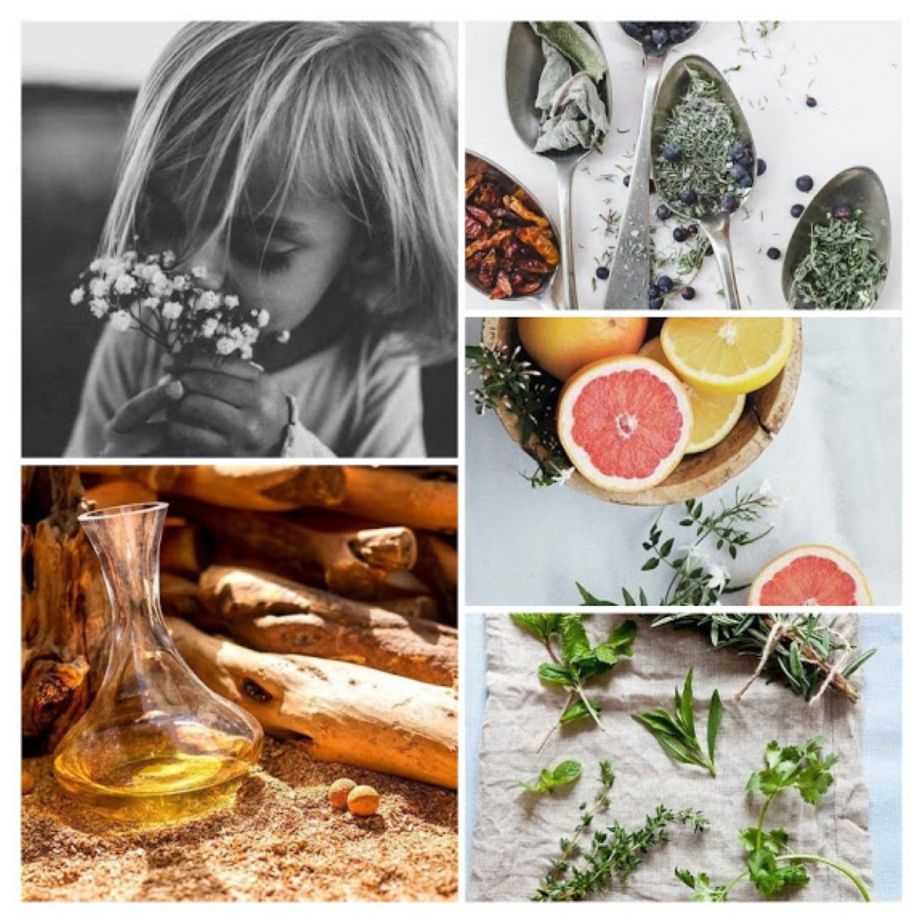
Can Fragrances Have Medicinal and Healing Qualities?

Perfume and scent are seen as a luxury item and part of the beauty world rather than as something which can affect your health. However, many of us are very sensitive to the smells around us and our mood can be affected by the fragrance we use on our bodies and in our homes. Fragrance can be a powerful tool to re-balance the mind and body.

Avincenna, a 10th century physician, writer and philosopher, was the first person to divide the internal senses of hearing, sight, smell, taste and touch.

The interest in using excellent odours is that it fortifies the senses. When the senses are strong, the thoughts are strong. If the senses become weak, the senses are imbalanced and confused” -Avincenna

 I have talked about perfumes making you happy and setting a mood, so can scent also have positive qualities on our health? Certain aromas and scents have been used for centuries in an attempt to calm us down. So, if you’re looking for a way to help you to sooth your worries away and stop feeling overwhelmed, some scents are known to have sedative qualities: Sandalwood, which is sweet and woody and can be worn by men or women, has been used for almost 4,000 years in the ancient civilizations of India, Egypt, Greece and Rome. The Hindus, were the first culture to recognize the properties of sandalwood and used it in incense and scent. Buddhists also burnt sandalwood incense to transform desires and promote human mindfulness. Its aroma is said to calm the mind and alleviate worry by relaxing the central nervous system. Using sandalwood in a fragrance offers the wearer a magical olfactory carpet ride into a far- away, exotic land.

You often feel the most relaxed on holiday, so many of the smells you experienced whilst away if replicated at home can help to trigger a similar sense of calm and a truly relaxing escape.

Other harmonising aromas include ylang-ylang and bergamot, both of which are found to decrease blood pressure, as well as oud, jasmine and rose, which can lower depressive moods. I always find the aroma of rose gives me an instant feeling of well-being and jasmine a sense of confidence. Oud has been used for centuries in spiritual and religious practices to remove negative energy and create harmony.

Sometimes you need to invigorated, Citrus elements like oranges, bergamot, neroli and grapefruit all give an energy boost (an effervescent Vitamin C fix) and also make you smile, in my case they remind me of warm, summer days. The smell of freshly cut grass can have a positive impact on your mental state and give a boost when needed as can green tea, I bring this perfume back from France as I always feel uplifted by the smell. Green, herby scents like basil can give a boast and blend really well with citrus notes. Peppermint can increase alertness at work and a touch of Cedar can revive tiredness.

Plague doctors carried vials with rosemary and lavender to protect them, whilst pomanders, perfumed balls, were carried by woman to ward off the plague and hide the awful stench around them. Smell has always been a component in treating infections as medics often rely on their olfactory abilities to detect ailments as well as cure. In 1869, Joseph Burnett’s Language of Flower handbooks, linked the qualities of flowers to certain health conditions, using this symbolism to sell cologne waters and beauty products.

Your night-time routine can also be enhanced by specific smells. Soft, powdery and musky perfumes soothe and aid sleep. Lavender, chamomile, vanilla, jasmine and patchouli are the most popular scents that are suggested to help you sleep. While some of these are more pungent than others, you can often combine them with other notes that offset the strong scent. Lavender can sometimes invigorate if too much is used rather than relax you. Spraying your pillows, using a body product or a room diffuser are some of the ways to use fragrance in the bedroom. Usually the scents you enjoy most will help encourage peachful memories. Going to your “happy place” is a great stress reducer, which allows you to fall asleep faster and stay asleep longer.

So, can perfume have medicinal properties?  Well for centuries, in many countries it has been thought that it does, even Hippocrates in the 5th century, believed in a clinical connection between mind, body and spirit and smell and treated his patients with aromatics like myrrh and cinnamon. What I would say is that scent has the power to relax and uplift, remind you of happy memories and places and transport to a different imaginary world.

So yes, I do think that would aid healing!


Woman Writing a Life of Crime

The genre of crime fiction and suspense was started by men, Sherlock Holmes by Arthur Conan Doyle lead the way, but female writers took the genre and shaped and expanded it throughout the 20th century. Agatha Christie’s Mousetrap play ran on the London’s West-end stage from 1952 to 2020 and she remains to this day one of the best- selling authors. Although there are still popular male crime writers; lee Child and Ian Rankin to name a couple, it does appear to be a women’s game.

Male crime fiction was very much about guns, knives and violence with a male Hero, like a maverick private eye. Women were often written into the plot as secretaries, wife’s or victims, only ever in a supporting never a starring role. On the other hand, women play the leading roles in fiction written by women like Kathy Reich’s, Patricia Cornwall and Alex Cava, the female characters are strong, independent and often in charge! Some popular male detectives like Inspector Wexford by Ruth Rendall and Adam Dalglish by PD James are written by woman but are more well-rounded characters because of it. A women writer, the brilliant Phoebe-Walker-Bridge, the screen writer of Killing Eve, is currently working on the James Bond films. Hopefully her female parts will echo Villanelle rather than the out-dated roles played by Bond Girls.

Rather than been about cops and robbers, the good guys taking on the bad guys, the plots are more physiologically acute in women’s books, often about emotional violence. It can seem lighter in depth but in fact, a nastier and more prolonged death is usually penned by a female writer. Ian Rankin criticised Val McDermid for the graphic depictions of violence in her stories, however her books and the TV show Wire in the Blood based on her work continues to be popular. Some men probably feel that women should not like crime fiction, but 80% of the sales in this market are from women rather than men..

In the last 15 years many of the best selling crime writers are woman, Patricia Cornwall has sold 100 million copes of her books, Minette Edwards has had many of her books used as screenplays for TV series, Kathy Reich’s, has assisted with Bones, the forscenic science drama, based on her books, Paula Hawkins book Girl on the Train, was a big hit on screen and in print. So much so, that some male crime writers have written books with female pseudonyms to break into this popular genre.

Why do women write successful crime? Do women have a better grasp of human complexities, so they can create in-depth characters that are authentic? Do women understand living in fear, do they control more rage, angry and aggression inside, which comes out in their work. It has been said that the writing styles of woman are Killing from the Outside. I guess there is more build-up of plot and suspense. I always love a crime book that gives me a few surprizes, even an odd red herring or two and that I can’t stop reading until the story reaches its conclusion.

There is something thought- provoking about Crime and Suspense fiction, you need to use some powers of deduction yourself, like all the best fictional detectives, male or female. I thought this continues to be the case for a long time yet!

The Health Benefits of the Mediterranean Diet

In my last blog, I talked about how adopting the Mediterranean diet can help to prevent degenerative brain problems like Alzheimer’s, however there are many more health benefits to following this diet. By Mediterranean, this can be Greece, Spain, Italy and Portugal. The one thing that all these countries favour is the use of fresh, seasonal and local foods. The health benefits include; a lower risk of cancer, cardiovascular and heart problems, obesity, diabetes and longevity. It fact its less of an actual diet than a lifestyle, but the basics are: a high intake of fresh fruit and vegetables with nuts, legumes, cereals, olive oil, fish and poultry, A low intake of dairy, mainly yoghurt and a low intake of red meat, processed meats and sugar, Red wine is consumed in a low quality and often mixed or drunk with water.(Flavonoids and antioxidants in red wine can reduce heart disease )

Although fast foods have spread worldwide, McDonalds has a lot to answer for, in the main many aspects of the traditional diet are followed. Sardina, in Italy, has the oldest European population. Many vegetables like Tomatoes and Red Peppers sum up this diet to us, these also have beta-carotene, antioxidants that convert to Vitamin A, which helps to fight against free radicals, which benefits skin, eye health and general wellness. Combining these foods with olive oil, nuts and seeds can help the absorption. Oily fish, sardines and shellfish can help you to keep sprightly.

You only need to shop on market day to see the wonderful variety of fruit and vegetables sold; Tomatoes, peppers, onions, eggplants, leafy greens, carrots, courgettes, melons, apples, peaches, cherries, oranges, lemons and apricots alongside spice stalls and an array of olives, to understand the love of food and cooking is very much from the heart. (In my travel blog, I have given local recipes which I have very much enjoyed eating)

A diet low in saturated fats and high in mono-unsaturated fats helps to avoid high cholesterol and heart problems. Unsaturated fats are olive oil, avocados, almonds, cashews and pumpkin seeds. Saturated fats are in most junk foods and processed meals. Avoiding or reducing the use of butter, fatty meats, cream, biscuits, cakes, ice-cream and chocolate helps lower the amount of saturated fat in your diet.

Scientists feel that the most damaging aspect of the western diet is too much Omega 6 is consumed and too little Omega 3. So, having a healthier balance between Omega 3 and Omega 6 fatty acids is linked to preventing degenerative brain problems and heart disease. Omega 3 is in salmon, mackerel, anchovies, sardines, eggs and flaxseeds, whilst Omega 6 is in soy beans, corn, meat, poultry, fish and processed cooking oils. Once again highlighting the improved diet of Mediterranean countries. Eating seafood once or twice a week would help to give a better balance, as well as replacing meat a couple of times a week.

Legumes like beans, chickpeas and lentils are key ingredient in many stews and this are been used more now in the UK often to replace a meat-based meal.

Cakes, biscuits and sugary desserts feature much less in a Mediterranean diet with natural sugar from fruit and honey used more than adding sugar. Its much more of an occasional treat rather than an everyday food.

I thank that food is seen as much more, living to eat rather than eating to live.

Striving to live with nature and the land and sharing this with loved ones, eating together as a family is a strong part of a culture which has been the same for many years and I do hope continues to be for many more years.

tomates vine

meals 1