I saved an article from the Guardian about cost-cutting in the manufacturing process in the fashion industry which is leading to clothing which is less comfortable and durable This is a subject matter very close to my heart and I have written about this before.
“Fast fashion has normalised cheaper methods and fabrics. As we enter a third decade of ultra-fast production where cost-cutting is favoured over dressmaking and tailoring, we are at risk of losing these skills altogether”
Clare Press- Host of the Wardrobe Crisis podcast
The article talks about mass production and synthetic materials been so pervasive it’s increasingly difficult to buy well-made clothes, no matter how much you are willing to spend. Having sold clothes all my life, I fully agree that even at the higher- end of the market, the quality of both the fabric and construction has declined noticeably in the last few decades.
“I could geek out all day long about what you can’t find any more, quality pieces do exist but their markers are so rare, you have to know what you’re looking for. It starts with the cloth, of course. From the weave to the yarn to the dyeing process. It’s the real technical aspects of cloth that make it look and feel good. Quality materials should have an even finish and substantive weight. They should also bounce back when rubbed between your fingers or stretched apart”
Susan Dimasi, founder and designer of Material by Product
Dimasi prefers fibres like wool and silk. She says they have a “natural intelligence” that makes them better to wear because they thermoregulate and don’t need to be washed frequently. I have always personally been an advocate of natural fibres rather than man-made ones. (Even before we realised, these are made of plastic and the dreadful consequences this causes) Just the feel and handle of a piece of woollen or silk cloth is so much better than the cheaper alternative.
In 1975, fabrics derived from fossil fuels like Polyester, Nylon and Acrylic represented only 30% of the global fibre market. In 2021 this figure was 64%. Whereas wool was just 1% of the market. The British Wool Board Champions British wool and the farmers who produce this natural fibre, whilst promoting every aspect of wool production and usage. They do a terrific job and have the royal seal of approval as King Charles has always been a strong advocate. But there is a long way to go.
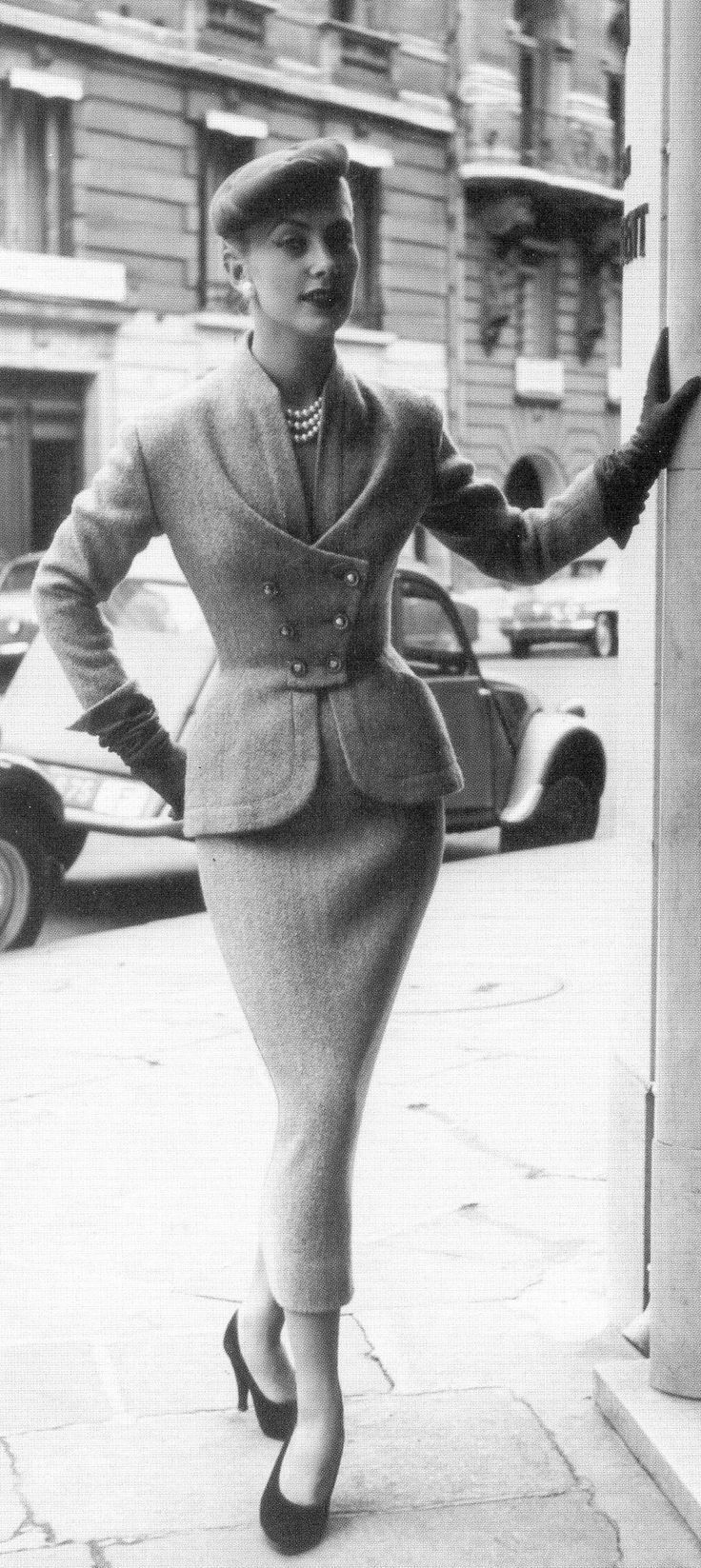
I have always loved vintage fashion and you can’t beat a nice frock; Silk crepe and chiffon tea dresses and silk satin evening dress make me go weak at the knees. (And don’t go there with internal binding and French seams, as beautiful inside as outside) These garments are still wonderful decades on and many well-dressed celebrities go Vintage for Red carpet dressing. The way the fabric moves is stunning, just look at classic movies and footage of couture shows.
Today, even some very expensive designer collections are been produced in inferior fabrics as well being more poorly constructed. There has a large increase in the cost of natural fibres but surely the price tag does cover this? Perhaps if Fashion Houses used less money on their shows and advertising budgets and spent more on the actual clothing itself?
As a design student, I was trained to pattern- cut, so I do understand the principals of how something should fit. When cutting patterns an ease of movement should be added so clothes move with our bodies rather that restricting our movement. There should be extra fabric in the seams so they can be let out if required. In order to save money these have been reduced to the bare minimal, so garments can’t be adjusted if required.
I was watching on Instagram a video of someone buying an expensive classic tweed jacket. The fit at the back was just dreadful, the sale-person used the old retailing trick of adding a belt, to make the jacket fit better. In the past tailored garments actually fitted without the need of a belt. Why don’t they today?
Another one of my pet hates is poor quality linings or a lack of linings! Traditionally, a lining in a garment serves several purposes. The first was to reinforce. A lined garment is stronger and holds its shape and gives a better silhouette. The second is to prevent the outer material from showing signs of wear. And finally, it keeps the outer garment clean and so you don’t have to clean it as often. All very good reasons for adding a lining.
“Lining is really important in the back of the skirt because if you sit down, it helps the skirt not crease, it also helps you slip your arm through the sleeve of a jacket and makes the garment hang better on the body.”
Susan Dimasi, founder and designer of Material by Product
And why does nothing have a pocket! Again, it’s about reducing costs. What could be nicer than having a skirt or dress with pockets and trousers with deep pockets that don’t develop holes due to using unsuitable fabrics. I bought a lovely dress last year from Community Clothing which has really deep pockets as well as been well-made. So it can be done.
As for pattern- matching a print or stripe this takes more time and requires more fabric. But does look so much better on the eye. I don’t sew that much at the moment, but I always match up a print when I do as it’s totally worth the extra effort.
I think our ancestors, who could sew beautifully in many cases, would be shocked at how poor modern garment construction is today. Clothes used to be sold second and third-hand and lasted for years. Some companies sell clothes that often do not survive the first wash and will be thrown away after only a few wears. It’s hardly progress!
Our disposable view of clothing has to change, we need to have clothing which lasts longer. If it also fits better and is more comfortable to wear that’s a win-win situation.
 Created Curated by Sara Brown